In the rapidly evolving cryptocurrency landscape of 2025, securing your digital assets is no longer optional—it is imperative. As cryptocurrencies like Bitcoin, Ethereum, and a host of altcoins gain wider adoption, the sophistication of online threats has intensified. From phishing attacks and social engineering to the exploitation of decentralized platforms, managing your crypto assets safely requires a nuanced understanding of both technology and legal frameworks. By blending trusted tools such as hardware wallets from Ledger and Trezor, utilizing robust password managers, and navigating exchanges like Coinbase or Binance with care, investors can significantly mitigate risks. Additionally, staying abreast of evolving regulations and employing multi-factor authentication form critical components of a comprehensive security strategy. This article distills expert insights and actionable advice to empower you to protect your holdings confidently amid an expanding digital frontier.
In brief: Managing cryptocurrency securely means embracing a layered defense approach. Password management and two-factor authentication are baseline essentials, complemented by cold storage solutions like hardware wallets. Choosing the right exchange with transparent security policies and compliance to stringent KYC norms adds a safeguard. Being vigilant against scams such as phishing, fake wallets, and Ponzi schemes fortifies your defenses. Regularly updating software and practicing safe trading protocols round out best practices. Integrating these measures with tools like Chainalysis for tracking and Fireblocks for institutional security offers a comprehensive shield against the constantly morphing threats.
Understanding Cryptocurrency Security Challenges in 2025
Cryptocurrency’s decentralized architecture, while providing resilience against centralized failure, opens complex security challenges. Unlike traditional banking systems where fraudulent transactions can sometimes be reversed, blockchain transactions are immutable. This permanence underscores the severity of any security lapse. The past decade has seen notable breaches, from the Mt. Gox collapse that erased billions in Bitcoin, to more recent exploits in decentralized finance platforms that highlight vulnerabilities inherent in software and wallet management. Recognizing these risks early helps investors adopt pragmatic defenses. Phishing scams and fake exchange platforms frequently target unsuspecting users, emphasizing the need for vigilance and education in a continuously changing threat landscape.

Legal and Regulatory Landscape: Compliance as a Security Layer
In 2025, the global regulatory environment continues to fluctuate, ranging from jurisdictions embracing cryptocurrencies as financial instruments, to those enforcing stringent bans. Compliance with local regulations is not merely a legal obligation but a critical security practice. Many reputable exchanges now operate under enhanced KYC and AML requirements, effectively minimizing fraud and illicit activities. For example, platforms like Coinbase and Binance enforce rigorous user verification, significantly reducing unauthorized access risks. Being informed about your country’s stance on crypto and adhering to disclosure and taxation requirements, such as those described in crypto tax compliance guidelines, helps maintain legal safety and operational security.
Safe Custody: Balancing Hot Wallet Convenience and Cold Wallet Security
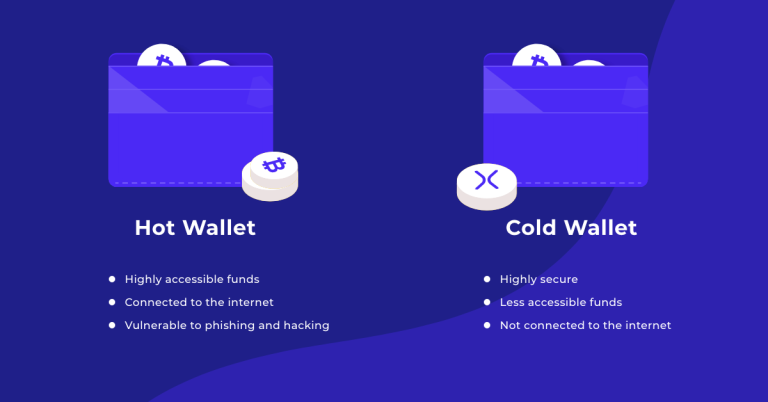
Deciding where and how to store cryptocurrencies underpins overall security. Hot wallets, often integrated into exchange platforms or mobile apps such as MetaMask, offer quick access for trading but remain susceptible to online threats. For individuals and traders needing immediate liquidity, these wallets are a pragmatic choice, yet their exposure demands stringent security practices like two-factor authentication (2FA) and usage of reputable, secured wallets.
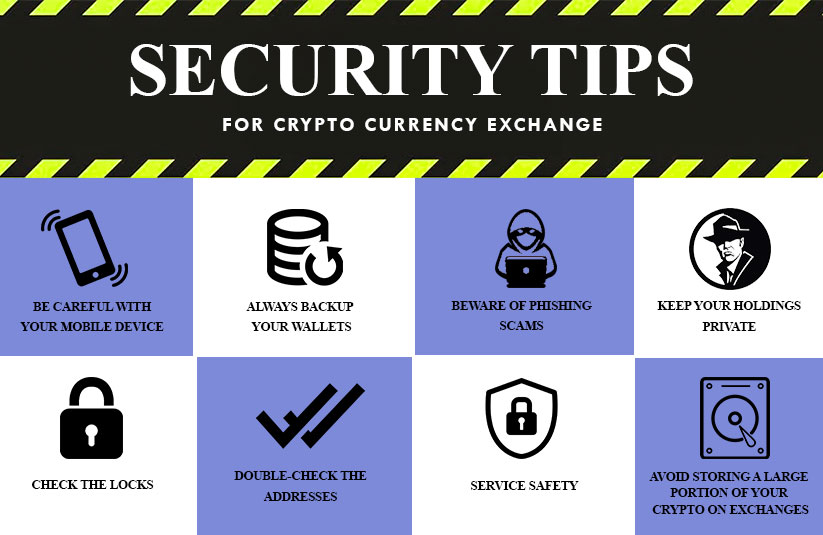
For the majority of users seeking robust long-term protection, cold wallets such as hardware wallets from leaders like Ledger and Trezor provide unparalleled security by isolating private keys offline. These devices eradicate hackers’ ability to remotely access funds and prove invaluable in safeguarding significant holdings. The tradeoff remains in convenience, as transactions require physical device interaction, but the security benefits justify the additional effort. Diversifying wallets and backing up seed phrases properly, as explained in best backup practices, reinforce asset security further.
Maximizing Security with Password Managers and Authentication
Handling multiple crypto platforms mandates strong password hygiene. A trusted password manager reduces human error by auto-generating and storing complex passwords, shielding users from keyloggers and credential harvesting. Top-rated services provide encryption along with biometric and master passphrase protections, amplifying security while enhancing user convenience.
Beyond passwords, deploying two-factor authentication effectively doubles account defenses. Whether through authenticator apps, hardware tokens, or SMS-based codes, 2FA ensures that even compromised passwords do not grant immediate access. Integrating these security layers into everyday crypto management is indispensable, especially when transacting on platforms like leading exchanges or engaging with wallets such as Fireblocks tailored for institutional security.
Recognizing and Avoiding Common Cryptocurrency Scams
The inflated visibility of cryptocurrencies has led to a parallel surge in scams, ranging from sophisticated phishing campaigns to counterfeit wallets and Ponzi schemes. Scammers impersonate trusted tech support or prominent crypto figures to lure investors into releasing private keys or sending funds under false pretenses. Notably, rogue giveaways and fraudulent ICOs promise unrealistic returns, siphoning investments rapidly.
Real-world cases underscore the importance of skepticism: thorough vetting of projects and exchanges, like those outlined in resources about evaluating exchange reliability, can shield users from devastating losses. Affirming wallet addresses before transactions, avoiding public Wi-Fi without VPN services like NordVPN, and consulting tools for transaction monitoring, such as Chainalysis, further reduce vulnerabilities.