As cryptocurrency becomes increasingly integrated into the financial landscape of 2025, the need for effective and secure storage solutions has never been more crucial. Investors face the ongoing challenge of balancing accessibility with security, particularly when managing large amounts of digital assets. The choice between hot wallets and cold wallets epitomizes this balance, as each option offers distinct advantages and limitations depending on a user’s transaction frequency and security priorities. This article examines these two primary types of crypto wallets, exploring their operational differences, security implications, and practical usage to guide investors toward the best approach for safeguarding their cryptocurrency holdings.
In brief: Crypto wallets are primarily divided into two categories: hot wallets, which remain connected to the internet for ease of use, and cold wallets, which operate offline to maximize asset security. Hot wallets like MetaMask and Trust Wallet cater to day traders and regular users due to their quick accessibility, albeit with higher exposure to cyber risks. Conversely, cold wallets, exemplified by hardware devices such as Ledger, Trezor, and SafePal, provide superior protection for long-term holdings by storing private keys offline. A hybrid approach combining both wallet types increasingly gains traction among savvy investors, blending convenience with robust security measures.
Understanding Hot Wallets: Convenience Meets Vulnerability
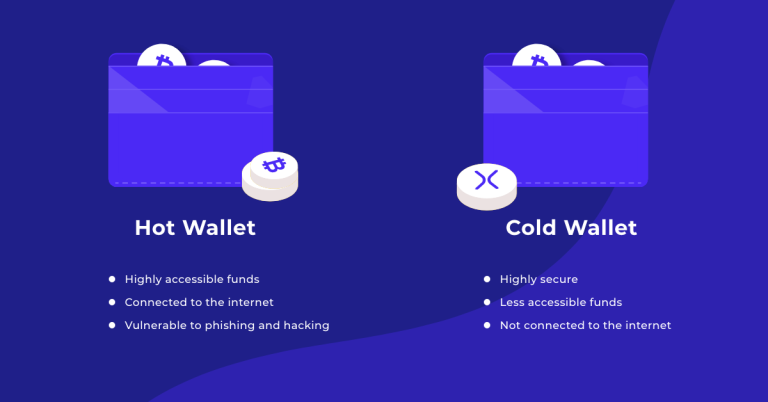
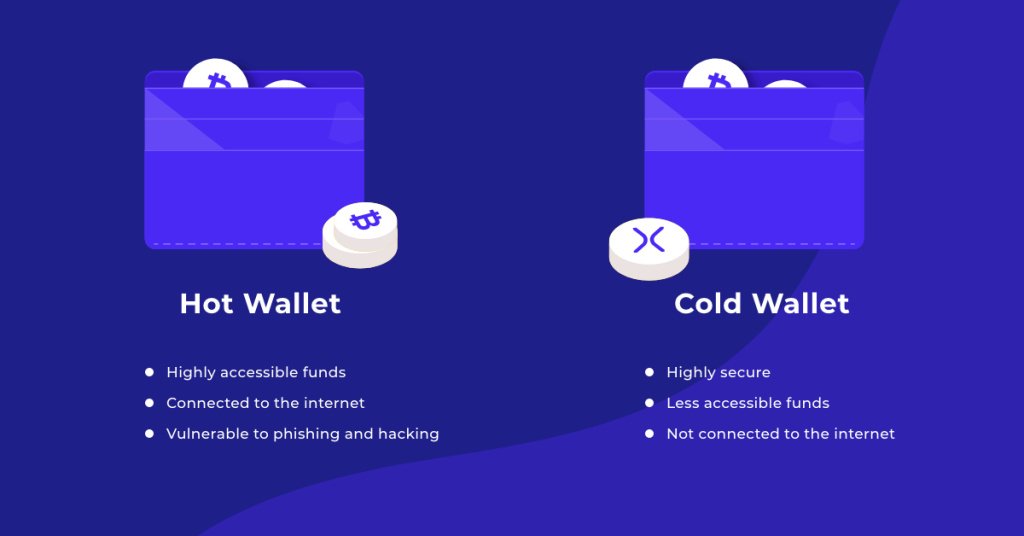
A hot wallet is essentially a software-based cryptocurrency storage solution connected to the internet. This connectivity facilitates fast and seamless transactions, making hot wallets ideal for those actively trading or frequently accessing their digital assets. Popular software wallets like Exodus and Coinbase Wallet enable users to manage tokens conveniently across multiple devices, including smartphones and desktop platforms.
Despite these advantages, the always-online nature of hot wallets introduces inherent security risks. The exposure to potential hacking attempts, phishing attacks, and malware means that users who store large crypto amounts in hot wallets risk capital loss. Once private keys or recovery phrases are compromised online, the consequences can be irreversible. Thus, hot wallets are generally recommended for smaller amounts or fast liquidity rather than substantial holdings.

Examples and Use Cases of Hot Wallets
Hot wallets provide ideal solutions for quick trades and decentralized finance (DeFi) activities. For instance, a crypto enthusiast using MetaMask to swap tokens frequently benefits from the ease and speed of a hot wallet. Similarly, casual users who hold cryptocurrencies for regular payments, staking, or small volume transfers prefer these wallets due to their accessibility. Yet, the risk of cyber threats necessitates caution and the use of supplementary security practices such as two-factor authentication and regular backup of seed phrases.
Cold Wallets: The Benchmark for Long-Term Crypto Security
Contrasting with hot wallets, cold wallets operate independently from the internet, drastically reducing susceptibility to cyber intrusions. These wallets manifest primarily as physical devices, including hardware wallets manufactured by reputable companies like Ledger, Trezor, KeepKey, BitBox, and Ellipal. By securely generating and storing private keys offline, cold wallets provide an optimal method for investors looking to protect significant crypto assets over long periods.
The offline storage approach means transactions require an extra step: to move funds, users must connect their hardware wallet to an online device, transfer the desired amount to a hot wallet, and then proceed with the transaction. While this two-tiered protocol may appear cumbersome, it significantly enhances security by isolating the majority of assets from constant internet exposure.
Best Practices for Using Cold Wallets
Cold wallets are widely regarded as the safest solution for storing cryptocurrencies, especially when safeguarding substantial holdings. Backing up recovery seeds offline and ensuring device authenticity by purchasing directly from manufacturers or trusted distributors is essential to mitigate risks of tampering. Moreover, integrating cold wallets with a reputable hot wallet enhances efficiency, allowing users to retain easy access to expendable funds while securing the bulk of their crypto assets offline.
Finding the Right Balance: Hybrid Crypto Wallet Strategies
To navigate the trade-offs between convenience and security, many crypto investors have adopted a hybrid storage strategy by 2025. This method involves maintaining a small portion of cryptocurrency in a hot wallet for active trading and daily transactions, while securely storing the majority in a cold wallet to reduce risks. By doing so, investors capitalize on the strengths of both wallet types without overexposing their portfolio to online vulnerabilities.
This approach exemplifies best security practices recommended by numerous experts; it safeguards high-value assets against hacking incidents while supporting operational flexibility for market opportunism. Services and platforms often complement this strategy by providing easy integrations between wallets, facilitating smooth crypto management across environments.
For further insights on securing your assets properly and choosing suitable wallets, resources such as Exchange Scout’s guides equip investors with knowledge about avoiding crypto scams and effectively transferring funds between wallets and exchanges.