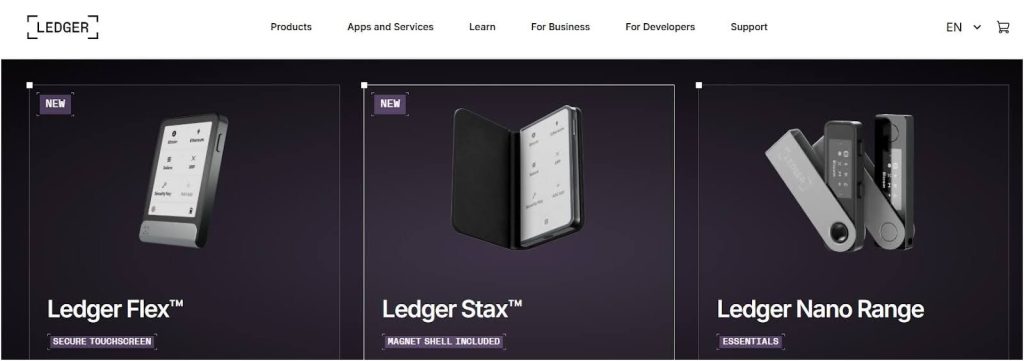
Choosing the right crypto wallet has become a critical concern for digital asset holders in 2025. With cyberattacks ramping up and theft surpassing billions in lost assets, securing your cryptocurrency goes beyond convenience; it’s about protection from evolving threats. Wallets today come in various forms—software and hardware, custodial and non-custodial—each offering trade-offs between security, usability, and access to the expanding blockchain ecosystem.
As the landscape grows, top wallets like Ledger, Trezor, and Coinbase Wallet have raised the bar by integrating advanced features such as biometric authentication, multi-party computation, and hardware-secure elements certified to rigorous standards. Yet, choosing the best solution requires understanding the technical safeguards behind these wallets, alongside how they fit your trading habits and threat model. Whether it’s daily trading, cold storage, or DeFi interactions, finding a wallet that strikes the balance between robust protection and seamless user experience is paramount.
Given the multitude of options tested across over 40 wallet providers, security protocols like encrypted private keys, PIN protection, multi-factor authentication, and anti-tampering features now define the leaders in this space. In addition, innovations such as seedless recovery (avoiding traditional phrase vulnerabilities) and real-time activity monitoring have emerged as game-changers. This article unpacks the top contenders, their core protections, and practical considerations to help you safely navigate your crypto journey.

En bref :
- Crypto wallet security has never been more crucial given rising thefts surpassing $2 billion in early 2025.
- Non-custodial wallets like Ledger and Trezor give users full control over private keys, minimizing hacking risk.
- Advanced features like encrypted keys, EAL6+ certified secure elements, and multi-factor authentication enhance protection.
- Software wallets such as Coinbase Wallet and MetaMask offer convenience but require vigilant security practices.
- Hardware wallets remain best for cold storage; innovations like seedless backups and air-gapped designs improve safety.
Understanding Crypto Wallet Types to Enhance Security
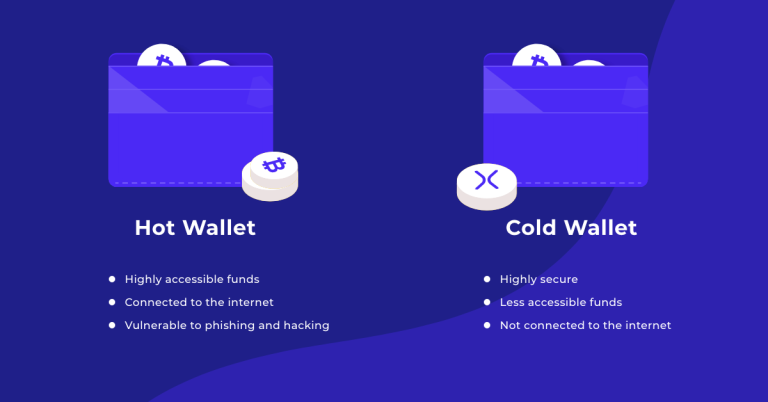
One of the fundamental steps in selecting the best crypto wallet for security starts with distinguishing between software and hardware wallets. Software wallets—including popular options like Coinbase Wallet and MetaMask—are connected to the internet and offer quick accessibility and rich features, such as integration with decentralized applications (dApps) and token swapping. However, their online presence exposes them to phishing, malware, and hacking risks, particularly if multi-factor authentication is not activated.
In contrast, hardware wallets like Ledger and Trezor store private keys in offline devices secured by robust elements that are tamper-resistant and certified with security assurance levels such as EAL6+ or higher. These wallets require physical interaction to approve transactions, significantly reducing the threat surface. Cold wallets without persistent internet connectivity provide the highest level of asset protection, ideal for long-term holders.
The Role of Custodial vs. Non-Custodial Wallets in Security
A crucial security distinction lies in custody. Custodial wallets delegate control of your private keys to an exchange or third party, which may simplify recovery but presents a single point of failure if the custodian is compromised—as shown by high-profile breaches reported this year.
By contrast, non-custodial wallets empower users with full responsibility and control over their keys, eliminating custodial risk but demanding careful management of recovery phrases or secure backup methods. Wallets such as Exodus and SafePal cater to users seeking this autonomy with varying levels of user-friendliness and security features.
Security Features That Define the Best Crypto Wallets
When evaluating wallet security, several advanced measures distinguish trustworthy providers. First, encrypted private keys are at the core, shielding critical credentials from unauthorized access through strong cryptographic algorithms. Wallets like Ledger integrate hardware-based encryption ensuring keys never leave the secure element.
Two-Factor Authentication (2FA), including biometric verification such as Face ID or Touch ID, supplements login security, reducing phishing risks. Multi-Party Computation (MPC) technology, utilized by wallets like SafePal and Coinbase Wallet, splits private key control into multiple parts, eliminating single points of failure and enabling seedless recovery. Additionally, PIN protection restricts unauthorized device access, with some wallets offering duress PIN options to trigger data wipes under coercion threats.
Physical and Software Protections in Hardware Wallets
Leading hardware wallets apply anti-tampering defenses such as self-destruct mechanisms triggered by unauthorized physical access attempts. Certifications like EAL6+ and EAL7 guarantee rigorous independent validation of hardware security claims. Air-gapped wallets, including some SafePal and counterpart models, avoid wireless or wired connectivity during transaction signing, thwarting remote intrusion attempts.
On the software side, malicious contract detection tools analyze decentralized application code for potential exploits, adding another protective layer for users engaging with complex DeFi or NFT platforms.
Practical Considerations Beyond Security for Your Wallet Choice
While security is paramount, ease of use cannot be overlooked. The best crypto wallets balance robust protections with streamlined interfaces to enable swift transactions without sacrificing safety. Wallets such as Trust Wallet and Exodus emphasize intuitive design and multi-chain support to accommodate varied crypto portfolios.
Furthermore, ongoing maintenance like automatic security updates and responsive customer support forms an essential component of a secure wallet’s ecosystem. Cost considerations also factor in, with software wallets generally free and hardware devices ranging from budget-friendly options like SafePal to premium devices such as Ledger Stax.
For daily trading and DeFi activity, hot wallets with advanced security features and wallet connectivity (e.g., WalletConnect integration) offer flexibility. Meanwhile, cold wallets are optimal for secure storage of significant holdings away from internet exposure.
Integrating Multiple Wallets for Layered Security
Experts increasingly recommend using multiple wallets tailored to different purposes—for example, a hardware wallet for long-term storage combined with a software wallet like MetaMask for active trading. This diversified approach lessens the impact of a potential breach and enhances operational convenience.