The ever-growing popularity of cryptocurrencies such as Bitcoin, Ethereum, and Dogecoin continues to transform the financial landscape in 2025. However, this transformation is not without its challenges. The decentralized nature that empowers these digital assets also exposes exchanges and wallets to sophisticated hacking attempts. Over the past decade, numerous high-profile hacks have resulted in billions of dollars in losses, shaking investor confidence and highlighting critical security flaws. This ongoing battle between innovation and security underscores the urgent need to understand how these breaches occur and what measures can effectively prevent them. As cryptocurrency becomes more mainstream, protecting assets requires a comprehensive approach involving both users and platforms.
From Bridge attacks exploiting vulnerabilities in cross-chain transfers to phishing scams targeting user credentials, the cybercriminal landscape is diverse and evolving too rapidly for complacency. Leading exchanges like Binance, Coinbase, and Kraken have been targets, with attackers employing tactics ranging from malicious code injection to insider threats. These incidents demonstrate that even the largest and most reputed platforms are not immune, especially when crisis situations arise, as seen in the FTX bankruptcy hack. To safeguard the integrity of these platforms and the vast wealth they hold, stakeholders must prioritize robust security practices and ongoing education. The insights gathered from notorious breaches provide a crucial blueprint to reinforce defenses.
Key Insights from Major Cryptocurrency Exchange Hacks and Their Impact on Security Practices
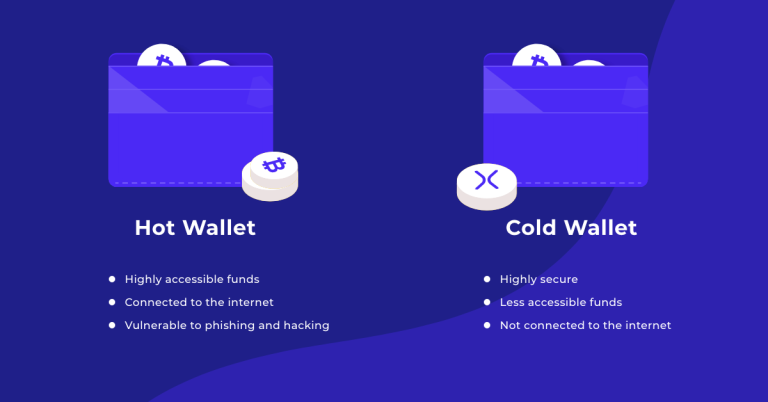
The cryptocurrency ecosystem’s decentralization fosters innovation but also creates unique vulnerabilities that hackers exploit. Noteworthy breaches like the Ronin Network attack in 2022, which led to the theft of $615 million in Ethereum and stablecoins, expose systemic weaknesses such as poor validator key management and centralized controls within decentralized frameworks. Similarly, the 2018 Coincheck hack, where over $530 million was stolen via phishing malware targeting hot wallets, underlines the risks associated with online asset storage.
Other major incidents provide further lessons: the Mt. Gox collapse highlighted risks in exchange liquidity and account security, while the 2022 Binance exploit involving a cross-chain bridge vulnerability resulted in a $570 million loss. Even with increased regulatory scrutiny and technological advances, these events serve as stark reminders that the industry’s security standards must continuously evolve.
Understanding the Methods Behind Crypto Exchange Breaches
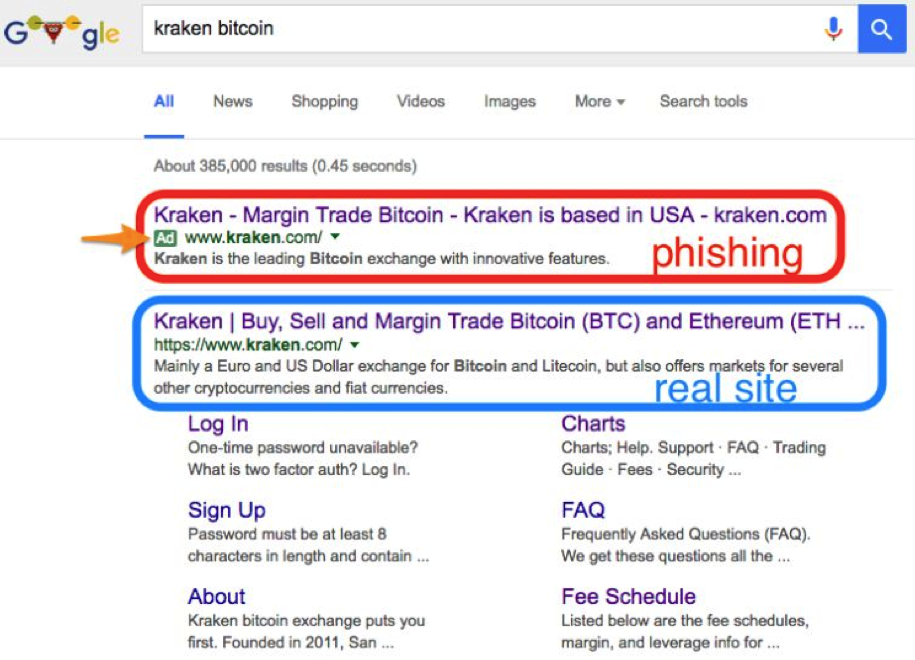
Hacking methods have diversified, targeting both human and technical weaknesses. Phishing remains one of the most prolific attack vectors, where users are deceived into revealing sensitive login information or installing malware. Malicious code exploits inherent flaws in blockchain software, while theft of private keys remains devastating, as these keys grant direct access to wallets and exchange accounts.
Attackers frequently manipulate insiders or leverage social engineering to bypass safeguards, demonstrating that technical protections alone are insufficient. Multi-layered defense strategies, including advanced access controls and employee vetting, have proven critical in mitigating risks. Recognizing these methods helps exchanges like Bitfinex, KuCoin, and Gemini tailor their security architectures to emerging threats.
Practical Strategies for Enhancing Crypto Exchange Security and Preventing Hacks
In response to prevalent threats, both users and exchanges are adopting proactive security measures. Cold wallet storage remains a foundational practice, where assets are kept offline to mitigate risks from network-based attacks. Implementing multi-factor authentication (MFA) across platforms adds an essential layer of verification, making unauthorized access markedly more difficult.
Users should be vigilant against phishing attempts, avoiding suspicious links and emails, and exchanges must constantly update their infrastructure to patch software vulnerabilities promptly. Selecting reputable platforms with demonstrated security protocols, such as Gate.io and Huobi, further safeguards investments. Sharing information about scam tactics and hacking trends enhances user awareness, reducing susceptibility across the ecosystem.
Integrating Insurance and Regulatory Compliance to Fortify User Trust
Beyond technological safeguards, insurance solutions for crypto assets have gained prominence, helping to protect investors against potential losses from hacks. Exchanges offering comprehensive insurance protections provide an added layer of reassurance in the volatile market. Meanwhile, adapting to evolving regulatory frameworks increases transparency and enforces minimum security standards, which collectively drive up industry-wide trustworthiness.
Platforms must continue fostering dialogue with regulators and security experts to innovate resilient defenses and encourage responsible user behavior. Educating users on securing seed phrases and encouraging the use of hardware wallets complements these initiatives, helping to bridge gaps in personal and institutional security practices.
Alongside traditional measures, emerging technologies such as decentralized exchanges are shaping the security landscape. Understanding the distinctions and risk profiles of decentralized versus centralized exchanges enables users to make informed choices suited to their security preferences, as highlighted in comparative analyses of exchange models.