The landscape of cryptocurrency trading has expanded dramatically, presenting users with critical choices about where and how to trade digital assets. Centralized exchanges, with giants like Coinbase and Binance leading the charge, have traditionally dominated by offering user-friendly interfaces, high liquidity, and direct fiat-to-crypto pathways. Meanwhile, decentralized exchanges such as Uniswap and SushiSwap epitomize the ethos of blockchain by empowering users with direct control, privacy, and access to a broader spectrum of tokens. The tension between ease and control frames the ongoing debate — which type of exchange suits your needs best as 2025 unfolds?
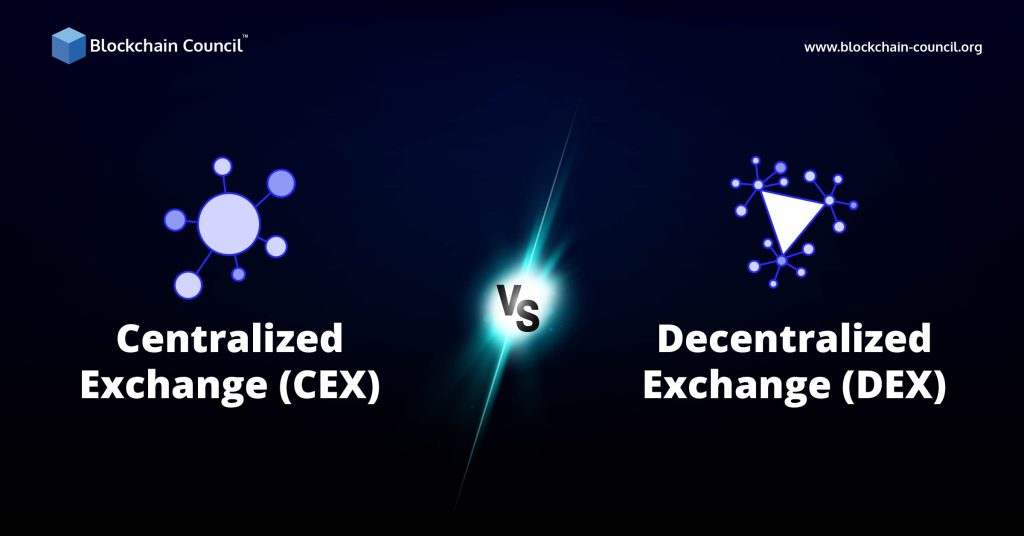
In the evolving crypto ecosystem, centralized exchanges (CEXs) operate through a central authority that manages user assets and platform operations. This centralization provides streamlined experiences, including effective customer support and swift transaction execution, attractive especially to beginners or those trading large volumes. Conversely, decentralized exchanges (DEXs) leverage smart contracts on blockchains like Ethereum or Binance Smart Chain, offering peer-to-peer trades without intermediaries. This structure enhances security and privacy, aligning with the foundational principles of cryptocurrency but requires a higher degree of technical understanding. As the industry matures, hybrid models are emerging in 2025, seeking to merge the benefits of both worlds, illustrating the dynamic nature of crypto exchange development.
Understanding Centralized Exchanges: User-Friendly Gateways to Crypto Trading
Centralized exchanges such as Binance, Coinbase, and Kraken remain the pillars of the crypto trading world. Designed with accessibility in mind, they delegate asset custody to the platform, simplifying user interaction by abstracting complex blockchain mechanics. For example, users comfortably deposit fiat currencies and engage in trades without managing private keys directly, thanks to custodial wallets. This convenience is underscored by abundant liquidity, enabling rapid execution of significant trades with minimal slippage. The inclusion of customer support and regulatory compliance also fosters trust.
However, this central control introduces vulnerabilities. The risk of hacks, as witnessed historically with platforms like Mt. Gox, continues to linger. Moreover, users relinquish full ownership of their assets during custody, which contradicts the decentralization ideal central to crypto’s vision. Despite these compromises, for newcomers and institutional traders prioritizing convenience and liquidity, centralized exchanges offer compelling advantages, enhanced by advanced trading tools and seamless fiat integration.
Decentralized Exchanges: Empowering Users Through Autonomy and Privacy
Decentralized exchanges such as Uniswap, SushiSwap, and PancakeSwap redefine trading by removing intermediaries and empowering users with complete control over their funds. Operating on blockchain networks with smart contracts, these platforms enable peer-to-peer transactions directly from user wallets. This non-custodial framework ensures that traders retain ownership of their private keys — a crucial factor for crypto purists adhering to the mantra, “Not your keys, not your coins.”
This autonomy enhances security by eliminating centralized points susceptible to large-scale hacks and strengthens privacy by avoiding mandatory KYC procedures. Additionally, DEXs offer access to a wider variety of tokens, including emerging and niche assets unavailable on centralized platforms. However, these benefits come with trade-offs: complex user interfaces, potential for lower liquidity affecting trade execution, and the absence of customer support, making the experience more daunting for beginners.
Key Differences Between Centralized and Decentralized Exchanges in 2025
In 2025, the distinction between CEXs and DEXs remains defined by fundamental factors affecting trading experience, security, and accessibility.
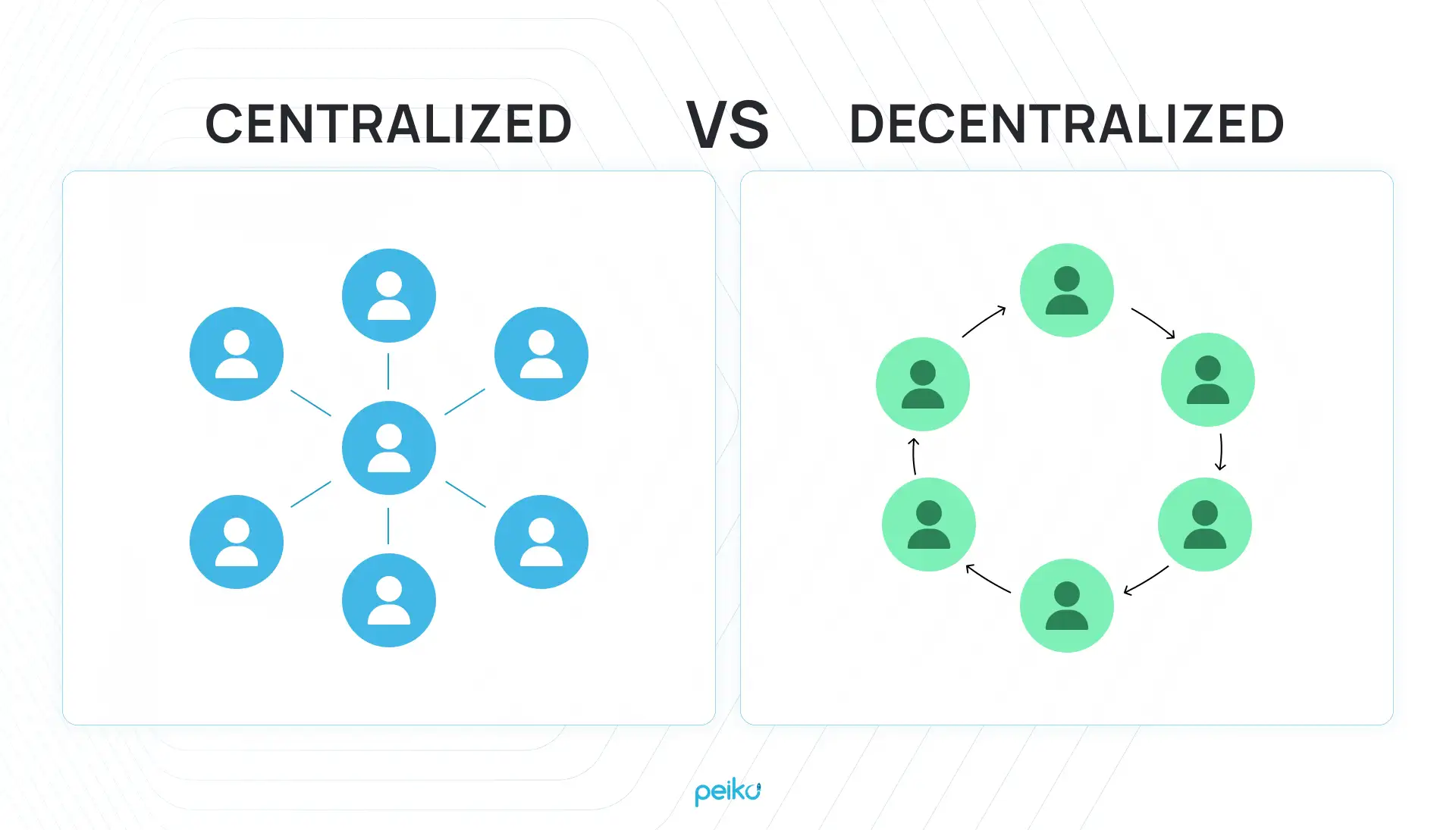
Ownership and Control: Centralized exchanges operate under the authority of corporate entities, whereas decentralized platforms are governed by blockchain protocols and smart contracts devoid of centralized oversight.
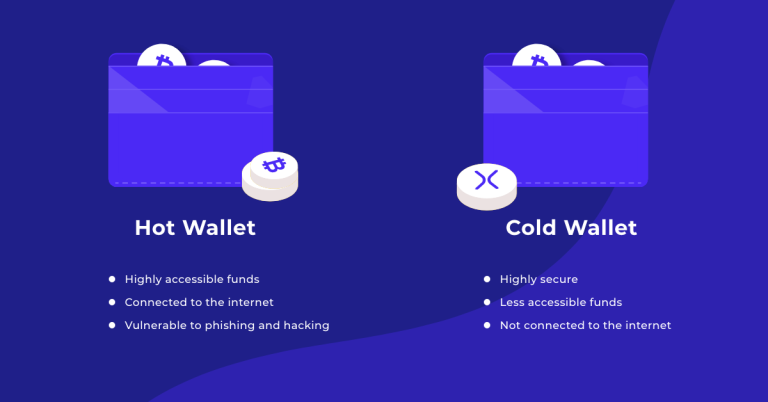
Asset Custody: CEXs employ custodial models, trusting the platform to safeguard assets; DEXs implement non-custodial methods, leaving control entirely to the user.
Liquidity and Trading Speed: CEXs excel in high liquidity and instant transaction execution, favored by traders placing large orders. DEXs, reliant on liquidity pools funded by users, may encounter slippage and slower transactions depending on network conditions.
Security Profiles: While centralized exchanges face risks from being single points of failure, including susceptibility to hacking, decentralized exchanges mitigate such risks yet remain vulnerable to smart contract exploits and user errors.
User Experience and Regulation: Centralized platforms typically provide polished, intuitive interfaces with robust customer support and fiat integration, but come with mandatory regulatory compliance such as KYC/AML. Decentralized exchanges prioritize anonymity and censorship resistance but require familiarity with blockchain technology and lack formal support mechanisms.
Advantages and Trade-offs in Choosing CEX or DEX Platforms
Choosing between centralized exchanges like KuCoin and decentralized ones such as Balancer depends on traders’ priorities.
Centralized exchanges shine with their ease of use, robust liquidity, and customer support, making them ideal for beginners and high-volume traders. However, trusting these platforms with asset custody introduces systemic risks, as well as exposure to regulatory scrutiny that might affect fund accessibility.
Decentralized exchanges, on the other hand, resonate with experienced users valuing self-sovereignty and privacy. The ability to trade obscure tokens and avoid KYC protocols draws a niche yet growing audience. Nevertheless, challenges like user responsibility for security, slower transactions, and varying liquidity demand a learning curve and prudence.
Contemporary traders often adopt a hybrid approach: acquiring crypto on centralized platforms for simplicity, then transferring assets to decentralized wallets for trading and custody. This strategy leverages the strengths of both models.
With the crypto space’s rapid growth and innovation, including hybrid exchanges merging centralized efficiency with decentralized security, the landscape continues to offer diversified choices that accommodate various needs and risk tolerances.