In the rapidly evolving world of digital assets, safeguarding your cryptocurrency holdings is more crucial than ever. Given the irreversible nature of blockchain transactions and the absence of traditional customer support, losing access to your crypto wallet can mean permanent loss of funds. This reality underscores the importance of a robust backup strategy, which is not merely about preserving access but also about defending against the multitude of risks that can arise from hardware failure, cyber threats, and human error.
Effective wallet backup demands a comprehensive understanding of the tools and precautions necessary to secure your private keys and recovery phrases. From the utilization of industry-reputed hardware wallets such as Ledger and Trezor, to the prudent management of digital backups with encrypted password managers like Bitwarden, each step is a critical defense against irreversible financial loss. Additionally, recognizing the pitfalls to avoid—such as storing sensitive data on cloud platforms or sharing recovery phrases indiscriminately—is essential for maintaining the integrity of your crypto assets.
Mastering the dos and don’ts in crypto wallet backup enables you to navigate the complex landscape of digital security with confidence and resilience, ensuring your investments remain protected today and into the future.
In brief:
- Back up your wallet’s recovery phrase securely offline to prevent loss due to device failure or theft.
- Use trusted hardware wallets like Ledger or Trezor to keep private keys offline and safe from hackers.
- Encrypt digital backups and store them across multiple, geographically separated locations to avoid single points of failure.
- Avoid cloud storage for unencrypted wallet data as it exposes your assets to cyber threats.
- Test your backups regularly by restoring wallets from seed phrases to confirm their effectiveness.
Essential Reasons to Prioritize Crypto Wallet Backup in 2025
Imagine the shock when a crypto investor wakes up to find their wallet inaccessible—due to a lost phone, corrupted software, or even a sophisticated hack. Unlike traditional financial systems that offer password resets or customer support, cryptocurrency’s decentralized design leaves no fallback. The permanence of blockchain means that once private keys are lost, funds become irretrievable.
Backing up your wallet ensures access continuity, guarding your crypto holdings against hardware malfunctions, accidental deletions, or phishing scams. Consider the cautionary tales like that of James Howells who discarded a hard drive containing over 8,000 Bitcoins, or Stefan Thomas who faces the risk of losing 7,000 BTC locked behind an inaccessible encrypted device. These stories, although from the past decade, resonate profoundly as even minor oversights in backup practices can result in substantial financial devastation.
In 2025, as cryptocurrencies become increasingly mainstream, investors must elevate their security protocols by integrating multi-layered backup measures, combining physical and encrypted digital methods. By adopting these practices, users mitigate catastrophic loss and keep their digital wealth intact.

Understanding the Most Reliable Backup Tools for Crypto Wallets
When selecting methods to back up your crypto wallet, it’s vital to leverage technologies designed to enhance security without sacrificing accessibility. Hardware wallets such as Ledger, Trezor, and KeepKey remain the gold standard for storing private keys offline. These devices provide a secure enclave that isolates your keys from internet exposure, dramatically reducing vulnerability to cyberattacks.
In addition to hardware wallets, paper wallets offer a fully offline alternative, albeit requiring meticulous physical security measures to prevent degradation or theft. Multi-signature wallets introduce an additional layer of protection by necessitating multiple keys for authorization, ideal for those managing substantial crypto assets or operating within organizational frameworks.
For digital convenience balanced with security, encrypted password managers such as Bitwarden allow safe storage of recovery phrases or keys, provided that master passwords are robust and kept confidential. However, any form of digital backup should be reinforced with encryption and stored across several secure locations to counteract potential cyber threats or data loss.
Crypto Wallet Backup Strategies: Dos You Should Follow
Implementing a disciplined backup routine is a cornerstone of crypto asset security. Prioritize offline, physical storage of your wallet’s recovery seed, ensuring that it remains inaccessible to cyber attackers. Use metal plates or fireproof safes to fortify physical copies against environmental hazards.
Engage in regular updates of your backup as your portfolio grows or changes, guaranteeing that new wallets or additional coins are covered. Keep multiple copies in geographically disparate secure spots, reducing the risk posed by theft, fire, or natural disasters. Protect your encrypted backups with strong, unique passwords distinct from other online credentials—tools like MetaMask and Exodus wallets also support secure seed phrase management, which fits into a well-rounded backup plan.
Moreover, running wallet-related software only on trustworthy, well-maintained devices, and refraining from downloading unverified programs helps prevent malware infections that could compromise your keys. Should you suspect any compromise, perform a clean reinstall of your operating system and restore your wallet solely from your secure backups.
Critical Mistakes to Avoid When Backing Up Crypto Wallets
Avoid the temptation to store your seed phrases or private keys in cloud services or note-taking apps. These platforms are prime targets for hackers; the exposure can lead to irreversible loss. Similarly, sharing recovery phrases with anyone—even well-meaning friends or family—can jeopardize wallet security if the information is improperly handled.
Keeping all backups in a single location is another risky practice. A single tragic event, such as a fire or flood, can destroy every copy simultaneously. Distributing backups strategically across multiple locations fortifies your defense against such risks. Additionally, using weak or reused passwords for wallet encryption poses a significant vulnerability that attackers can exploit effortlessly.
Sending cryptocurrency to wallets without prior backup is another potential risk. Ensuring that every wallet has a verified backup before transfer operations is a vital precaution against accidental asset loss.
Integrating a Robust Backup Regimen with Industry-Leading Wallets
Modern wallets like Trust Wallet, Coinbase Wallet, and SafePal have simplified backup procedures while incorporating advanced security features. Many offer encrypted cloud backup options designed with privacy safeguards; however, their use is advisable only when combined with strong encryption and offline password storage.
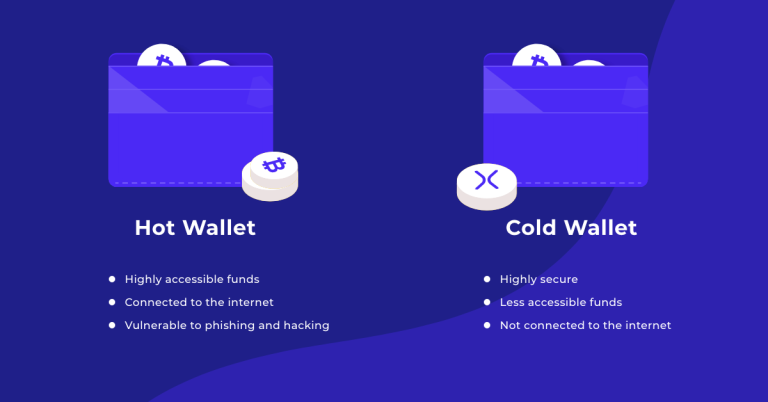
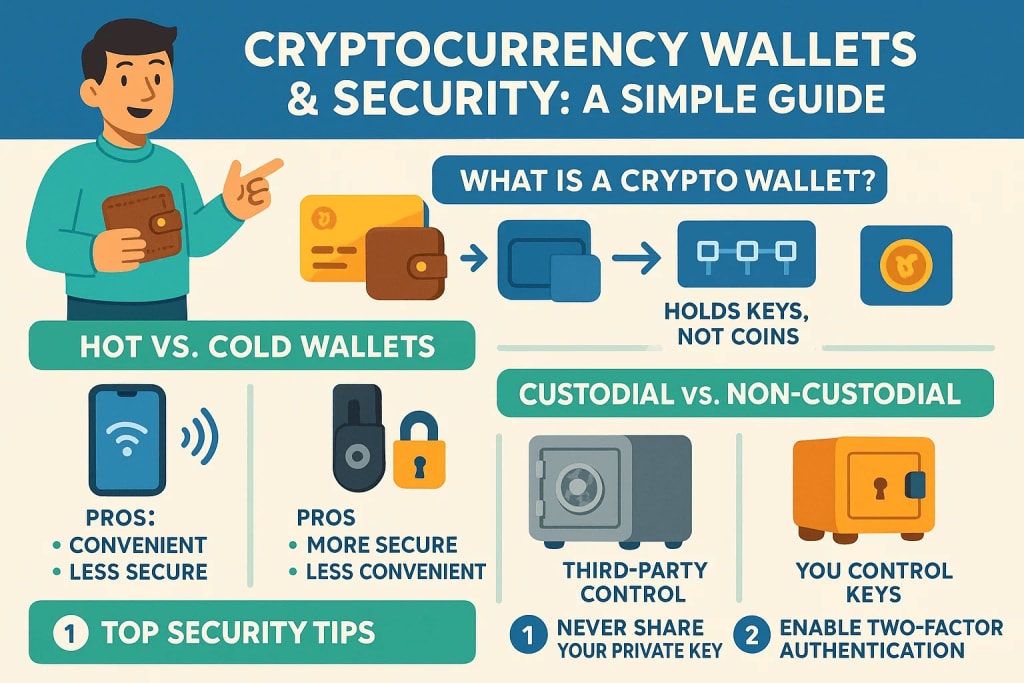
Exploring strategies such as cold storage—keeping the wallet offline except when conducting transactions—adds a significant barrier against cyber intrusion. Resources discussing the differences between hot and cold wallets can guide you in tailoring a backup and security plan suited to your investment style.
As the investor community grows in 2025, so does the sophistication of attacks. Staying informed through platforms like best crypto wallet security insights and adopting a layered approach encompassing both technology and human vigilance remain essential for protecting digital fortunes.