As cryptocurrency continues to redefine the financial landscape, the shadow of phishing attacks grows darker, threatening to unravel the efforts of investors worldwide. In 2024 alone, over $2.3 billion was siphoned away through on-chain security breaches, with phishing accounting for nearly half, marking a steep 31% surge from previous years. This escalating menace underscores the urgency for every participant in the crypto ecosystem to master the art of vigilance and protection. From deceptive emails and fraudulent decentralized applications (DApps) to hijacked social media profiles, attackers deploy increasingly sophisticated methods to infiltrate accounts and siphon assets. Understanding these evolving tactics and adopting stringent security protocols is no longer optional—it’s a critical safeguard. By scrutinizing URLs with precision, employing advanced hardware wallets like Ledger or Trezor, and utilizing trusted authentication services such as Yubico’s YubiKey and Authy, users can fortify their digital defenses. Additionally, the prudent use of cybersecurity tools like Bitdefender and Malwarebytes, alongside securing internet connections via NordVPN, adds essential layers of protection. This article dissects the anatomy of crypto phishing attacks and equips readers with actionable strategies to guard their wealth against these pervasive threats.
In Brief: The rise of crypto phishing demands constant alertness and proactive security measures. Key takeaways include recognizing sophisticated phishing variants like spear phishing and DApp scams, verifying URLs meticulously, and avoiding unsolicited communications. Strengthening account security through strong passwords, two-factor authentication, and hardware wallets is critical, with tools like Ledger and Trezor providing robust protection. Vigilance against social engineering and fraudulent groups on platforms like Telegram and Discord is essential. Immediate and decisive response protocols can mitigate damage if phishing occurs. Leveraging resources such as trusted wallet security guides and understanding cold storage solutions can enhance resilience. Together, these approaches create a comprehensive shield for crypto investors navigating the volatile terrain of digital assets in 2025.
Understanding Crypto Phishing: Mechanisms and Manifestations
Phishing in the cryptocurrency world has evolved beyond mere email scams. Attackers now employ spear phishing, targeting individuals with personalized messages that mimic trusted contacts or entities, coaxing victims to reveal sensitive information. Equally menacing is DApp phishing, where fabricated decentralized applications entice wallet connections, often triggering unauthorized transactions. Compromised social media accounts belonging to influencers or organizations amplify this threat, broadcasting fraudulent links and giveaways to unsuspecting followers. Recognizing these varied tactics requires vigilance and continuous education. Tools such as independent scam avoidance resources are integral for staying informed about emerging trends and attack methodologies. The growing complexity of these schemes demands that crypto users not only familiarize themselves with common red flags but also cultivate skepticism towards unsolicited interactions.

Verifying Authenticity: The First Line of Defense Against Phishing
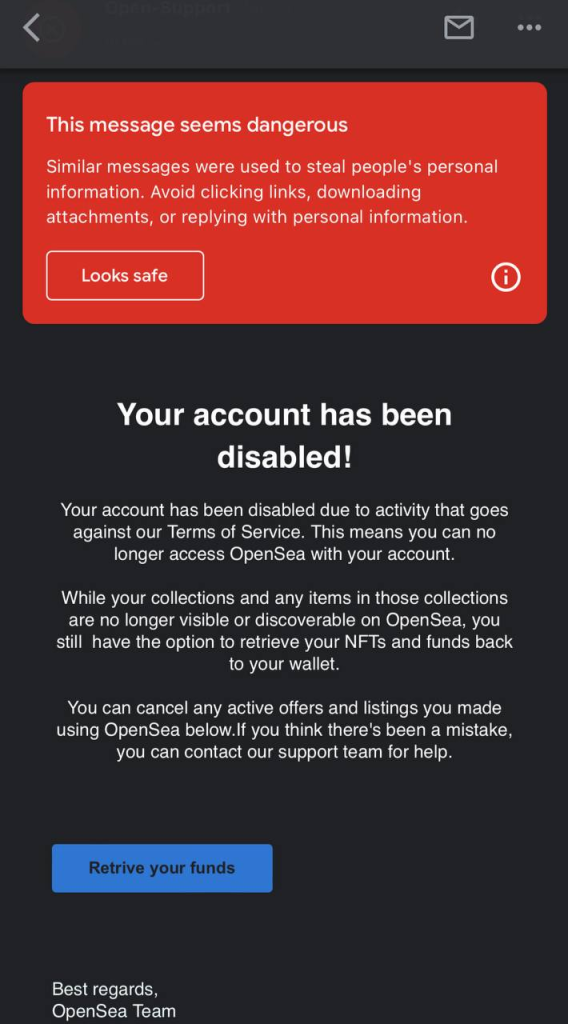
One of the simplest yet most effective strategies to thwart phishing attempts involves meticulously verifying the authenticity of communications and links. Users should rigorously inspect email senders for inconsistencies, grammatical errors, or suspicious domains. Checking URLs extends beyond confirming “https://”; subtle misspellings, additional characters, or unusual subdomains can signify a malicious imposter site masquerading as legitimate. Cross-referencing URLs with trusted sources such as CoinMarketCap or official project documentation enhances assurance. Additionally, scanning smart contract addresses using platforms like Etherscan or BscScan can prevent unauthorized interactions with fraudulent DApps. This vigilance protects against scams attempting to exploit user trust through familiar-looking but malicious websites.
Strengthening Digital Defenses: Practical Security Measures
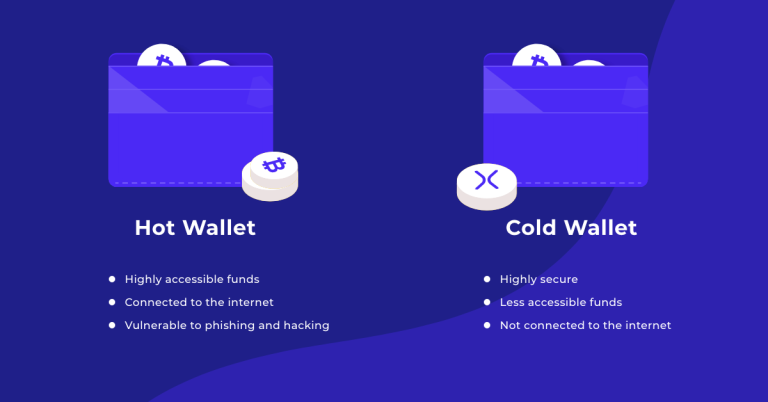
Enhancing protection against crypto phishing requires implementing robust security measures that address multiple vulnerabilities. Activating two-factor authentication (2FA) on all crypto platforms—including exchanges, wallets, and associated email accounts—is imperative. Hardware-based 2FA devices, notably the YubiKey offered by Yubico, provide superior defense by resisting interception attacks that plague SMS or app-based codes. Employing strong, unique passwords stored securely via reputable password managers eliminates the pitfall of credential reuse. For safeguarding substantial holdings, physical hardware wallets like Ledger and Trezor remain unrivaled options, isolating private keys from internet exposure. Consulting comprehensive guides on secure wallet management and cold storage techniques offers vital insights for long-term asset protection. Meticulous verification of transaction details before approval thwarts subtle address-swapping attempts, a common phishing technique targeting unwary users.
Guarding Against Social Engineering and Fraudulent Groups
Phishing attacks often capitalize on psychological manipulation, exploiting urgency or greed to erode caution. Crypto communities on platforms like Telegram and Discord face threats from fraudulent groups that imitate official channels, broadcasting false information and phishing links. The prevalence of fake “giveaway” scams and private messages with malicious URLs necessitates skepticism towards unsolicited approaches. Limiting private messaging capabilities in large groups and adhering strictly to announcements from verified sources reduces exposure. Sharing personal wallet screenshots or information on social media not only compromises security but can escalate risks, including physical threats. Tools such as Skynet assist users in assessing project reliability and audit status, further empowering informed decision-making within the community.
Responding to Phishing Incidents: Immediate Actions and Recovery
Despite rigorous precautions, phishing incidents can occur. Swift and strategic responses mitigate potential losses and safeguard community integrity. Upon suspecting phishing, users must refrain from clicking suspicious links or opening dubious attachments, promptly deleting the communication. Reporting fraudulent social media accounts preserves others from falling prey. When credentials are compromised, immediate resetting of passwords across affected platforms is critical. In cases where private keys or seed phrases are exposed, rapid transfer of assets to new wallets—preferably hardware-based—is essential. Engagement with crypto exchanges, law enforcement, and cybersecurity bodies improves recovery chances and facilitates tracking of culprits. Documenting incidents with detailed records and screenshots supports these efforts. This proactive stance not only resolves individual crises but fortifies the collective resilience of the cryptocurrency ecosystem.
Continuing education remains central to maintaining security in an ever-evolving threat landscape. Following alerts from sources like trusted crypto safety blogs and embracing comprehensive security protocols transforms vulnerability into empowerment, securing digital assets for today and the future.