Cryptocurrency continues to revolutionize the financial landscape, enticing millions into its decentralized ecosystem. Yet, this innovation also attracts an unfortunate wave of scams aiming to exploit both novice and seasoned investors alike. In 2025, despite improved security measures by leading platforms such as Coinbase, Binance, and Kraken, fraudsters have refined their tactics, from fake exchanges mimicking reputable ones to sophisticated phishing schemes. Understanding these evolving threats and learning how to recognize the subtle red flags can vastly improve your safety when navigating crypto exchanges. This article offers a comprehensive analysis of common crypto exchange scams and practical guidance to safeguard your digital assets while engaging with platforms like Gemini, Huobi, or Crypto.com.
Key insights: The cryptocurrency sector faces a host of scams ranging from counterfeit exchanges to investment fraud and phishing attacks. Vigilance in verifying platform authenticity and exercising prudent security protocols such as two-factor authentication remain essential. Investors should avoid impulsive decisions driven by hype, frequently verify token legitimacy, and prefer hardware wallets for significant holdings to avoid losses from exchange hacks or exit scams. Lastly, knowing how to act if scammed—including reporting and securing evidence—maximizes chances of limiting damage.
Recognizing and Avoiding Fake Cryptocurrency Exchanges
The proliferation of fake crypto exchanges remains a prominent scam threat in 2025. These counterfeit platforms imitate well-established services like Coinbase or Binance, often promoted aggressively via Telegram groups or social media channels to lure unsuspecting users into depositing funds. Victims typically find themselves locked out once the scammers disappear with their capital.
Reliable sources such as Cryptowisser’s Exchange Graveyard highlight that over 488 exchanges have ceased operations since 2014, with more than half identified as outright scams. Moreover, even legitimate platforms like Kraken or Bitstamp occasionally suffer hacks, underscoring the importance of not leaving excessive crypto assets on exchanges.
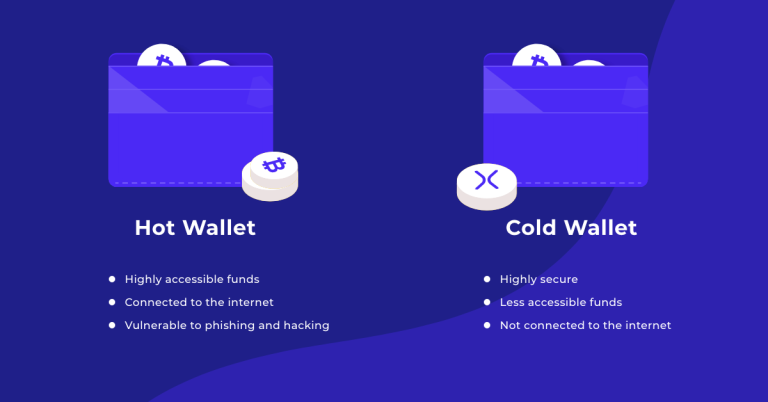
To minimize risks, always verify the exchange’s domain and official communication channels. Utilize index and reputation checkers like CryptoLegal’s extensive scam database before engaging with lesser-known exchanges. For large crypto holdings, secure personal wallets remain the safest storage option.
Investment Scams: Pump and Dumps, Rug Pulls, and Fake Endorsements
Investment-related frauds, including pump-and-dump schemes and rug pulls, persist actively. For example, a hype-driven token can surge rapidly in value—a phenomenon fueled by orchestrated promotion through groups and influencers—only to plummet when insiders cash out, leaving ordinary investors with worthless tokens. The $HAWK meme coin incident vividly demonstrated how market cap can skyrocket to nearly $500 million before collapsing within minutes after developer sell-offs.
Fake celebrity endorsements also deceive investors by fabricating social media posts or AI-generated videos claiming big names support certain projects, often used to lure victims into sending cryptocurrency with promises of doubled returns.
Thorough due diligence is imperative: assess tokens’ whitepapers, verify team authenticity, look for open-source code under audit, and be wary of excessive hype. Resources like CoinGecko facilitate contract address verification to avoid copycat tokens that imitate popular coins but differ under the hood.
Phishing Scams and Malicious Apps: Protecting Your Access and Private Keys
Phishing remains one of the most efficient scams. By mimicking trusted platforms such as Crypto.com or eToro, fraudsters craft convincing emails, fake websites, or apps to harvest login credentials and private keys. The subtlety of these attempts has increased with generative AI, enabling sophisticated impersonations even of official corporate communications.
Downloading unofficial wallet apps or software risks compromising private keys without the user’s knowledge. For instance, some counterfeit apps have managed to pass app store reviews initially but were later used to deploy malicious code post-launch.
To counter these risks, always access exchanges and wallets through bookmarked official URLs and install apps from verified sources only. Employ two-factor authentication and password managers to limit exposure, and never disclose your seed phrase or private keys.
Deceptive Practices in Crypto Mining and Mixing Services
In the expanding realm of cryptocurrency mining, cloud mining scams offering impossibly high returns continue to dupe investors. Many of these operations either do not exist physically or operate as Ponzi schemes, paying earlier investors with funds collected from newcomers. Always seek comprehensive reviews and credible proof of mining activity before investing.
Similarly, crypto mixers claiming to anonymize transactions have drawn law enforcement scrutiny. Some mixers misappropriate user funds or cease operations abruptly. Considering privacy tools like Wasabi Wallet, which leverage CoinJoin techniques, or JoinMarket may provide safer alternatives, though these tools increasingly face regulatory challenges, as seen with the 2024 shutdown of Samourai Wallet’s Whirlpool service.
Responding to Cryptocurrency Scams: Key Steps if You Are Victimized
Despite best efforts, falling prey to crypto scams can happen even to vigilant investors. If so, immediate cessation of communication with scammers is crucial to prevent further loss. Collect all transaction records, screenshots, and related correspondence to assist investigations.
Notify your exchange or wallet provider promptly; they may have measures to freeze suspicious accounts. Legal authorities and specialized blockchain forensic firms might assist in tracking stolen funds, although recovery remains challenging due to the irreversible nature of crypto transactions.
Reporting scams to authorities such as the FBI’s IC3 or equivalent agencies contributes to broader efforts to dismantle fraud networks.
Adopting security-first attitudes, choosing reputable platforms and wallets, and continuous awareness of emerging scams will empower crypto users to secure their investments. By learning from industry giants like KuCoin, Huobi, and OKX, newcomers and experts can foster a safer crypto environment.