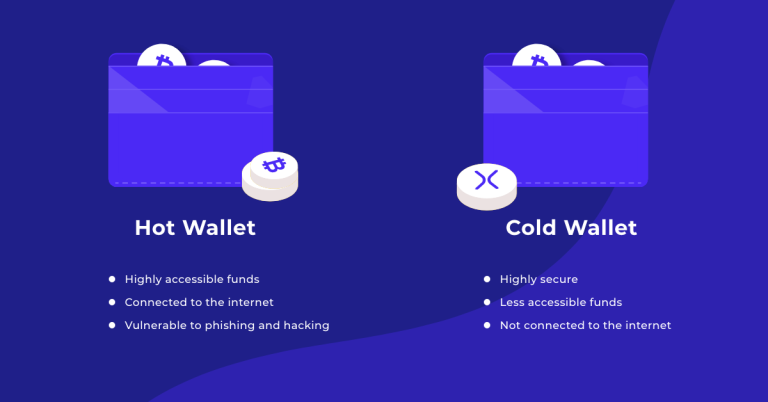
As the cryptocurrency landscape matures through 2025, safeguarding digital assets has become ever more critical. The failures of major exchanges have led many investors to prioritize cold wallets, offline devices that store private keys securely, over more vulnerable online solutions. Cold wallets provide unparalleled protection by isolating keys from internet exposure, minimizing the risk of hacking, phishing, or malware attacks.
The market now offers diverse cold storage devices tailored to varying needs, security standards, and budgets. From cutting-edge options boasting biometric authentication and air-gapped transaction systems to budget-friendly models supporting thousands of cryptocurrencies, these wallets ensure that investors can confidently protect their holdings during long-term storage. Integrating seamless management features and multi-chain compatibility, leading cold wallets like Ledger, Trezor, SafePal, Ellipal, and KeepKey exemplify this evolution toward more secure yet user-friendly crypto custody.
In brief:
- The collapse of prominent crypto exchanges has underscored the necessity of offline storage for private keys.
- Cold wallets range from advanced biometric devices like Ledger Stax to affordable, air-gapped models such as SafePal S1.
- Top cold wallets support thousands of cryptocurrencies and integrate with mobile apps for convenient management.
- Security certifications like EAL6+ and EAL7 highlight the improved robustness of many hardware wallets available today.
- Choosing a cold wallet involves balancing security features, usability, asset compatibility, and price.
Why Long-Term Crypto Storage Demands Reliable Cold Wallets
Over the years, the importance of safeguarding cryptocurrency assets offline has grown dramatically. Hot wallets, while convenient for active trading, remain susceptible to hacks and malware. In contrast, cold wallets—also called hardware wallets store private keys isolated from network connectivity, fundamentally reducing attack surfaces. The 2022 FTX scandal vividly illustrated how custodial failures leave investors exposed, prompting a shift toward self-custody solutions.
Cold wallets empower users to maintain control over their digital assets without entrusting them to third parties. Features like seed phrase backups, multi-factor authentication, and tamper-resistant hardware combine to create a secure fortress for cryptocurrencies. When storing assets for the long term, this reliability is invaluable, especially with portfolios spanning numerous blockchain networks.
Understanding Cold Storage Wallet Types and Their Advantages
While hardware wallets dominate the cold storage market, the ecosystem includes alternatives like paper wallets and sound wallets. Paper wallets, emerging around 2013, involve printing private keys on physical documents but face risks of physical damage or loss. Sound wallets use audio files to encode keys but require specialized playback tools.
Deep cold storage techniques emphasize extreme physical security, such as burying hardware wallets or using multisignature services, but are often inconvenient. Ultimately, hardware wallets strike a balance between usability and security, with models now integrating user-friendly touchscreens and biometric measures.
Top Cold Wallets Excelling in Security and Usability
Among numerous options, several cold wallets stand out for their advanced security certifications, extensive cryptocurrency support, and convenient features:
- Ledger Stax — Offers an EAL6+ secure element and a distinctive E-Ink touchscreen with Bluetooth and NFC connectivity for seamless mobile app integration. Its elegant design accommodates over 5,000 assets.
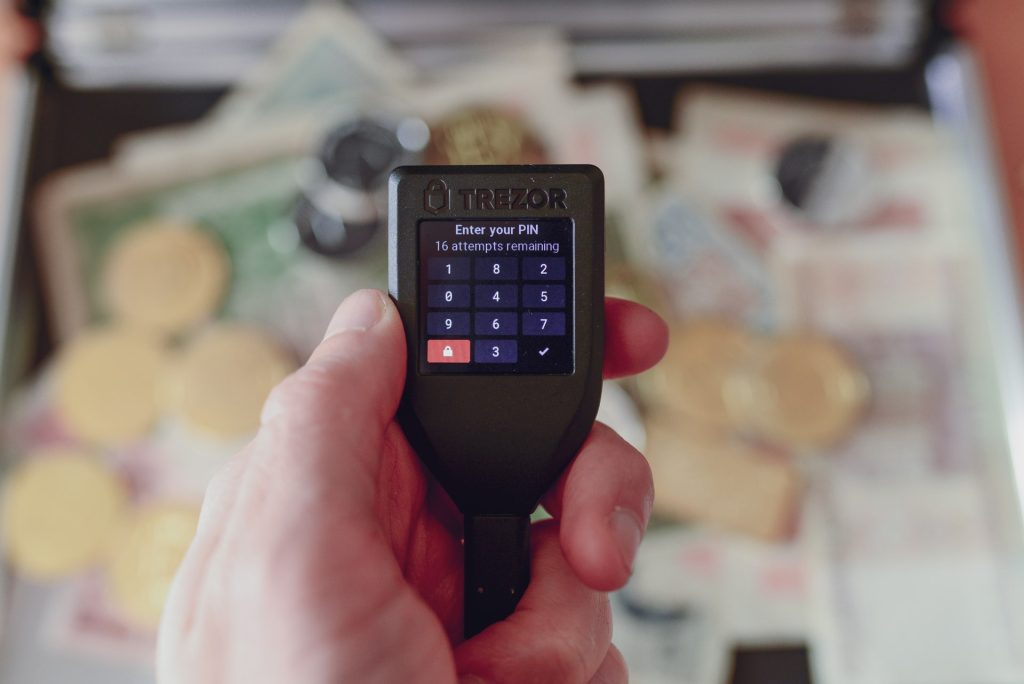
- Trezor Safe 5 — Boasts the highest security with an EAL6+ secure element, a tactile Gorilla Glass display, and advanced backup options like Shamir’s Secret Sharing. Supports 7,000+ crypto assets with open-source firmware transparency.
- SafePal S1 — An affordable EAL5+ certified wallet with 100% air-gapped QR code transactions, supporting a wide range of cryptocurrencies and user-friendly mobile app management.
- Ellipal Titan 2.0 — Features a metal-sealed, tamper-proof aluminum shell, employs air-gapped security via QR codes, and integrates access to thousands of cryptocurrencies alongside a staking platform for additional yield.
- KeepKey — Recognized for seamless trading integration and sturdy build, supports over 7,000 assets but lacks Bluetooth connectivity.
These wallets represent a spectrum from premium models catering to institutional-grade security needs to budget-conscious options suitable for beginners keen on self-custody.
How to Effectively Manage Crypto on Cold Wallets
Cold wallet management is increasingly integrated with mobile and desktop tools for ease of use. Devices like Ledger and Trezor have companion apps that allow users to view balances, initiate transfers, and perform staking functions without exposing keys online. Many cold wallets support interaction with decentralized applications (DApps) and DeFi protocols through secure channels like WalletConnect.
Transferring funds from a cold wallet involves generating unsigned transactions offline, then securely signing them on the device before broadcasting via a trusted online interface. This layered process guards against key exposure during trades or asset swaps, as detailed in resources like how to transfer crypto between wallets and exchanges.
Essential Security Features to Seek in a Cold Wallet
Security remains paramount in selecting the best cold wallet. Beyond offline key storage and tamper resistance, attributes such as two-factor authentication, biometric locks, and encrypted firmware raise defense levels. Certification by evaluation assurance levels (EAL) such as EAL6+ or EAL7 indicates rigorous third-party validation.
Backup mechanisms, particularly mnemonic seed phrases or innovative multi-part recovery systems like Shamir’s Secret Sharing, ensure funds remain accessible even if a device is lost or damaged. Users must store these backups securely, ideally using fireproof, waterproof metal backups, as negligence can lead to permanent asset loss, a risk elucidated on platforms like what to do if you lose wallet access.
Addressing Usability Without Sacrificing Security
While security often implies complexity, successful cold wallet designs combine intuitive interfaces with robust protection. Touchscreens, simple navigation menus, and streamlined firmware updates support users of all experience levels. Products such as the Cypherock X1 provide seedless recovery, removing recovery phrase vulnerabilities without compromising on security.
Compatibility with multiple blockchains ensures investment diversification is practical. Leading wallets today support thousands of assets, including native tokens, NFTs, and DeFi instruments, bridging the gap between custody and functionality efficiently.
Common Mistakes and How to Avoid Them in Cold Wallet Usage
Avoiding key user errors is essential for long-term crypto security. Losing seed phrases or private keys remains a primary cause of wallet inaccessibility. Storing backups in a single physical location can jeopardize recovery during theft or disaster.
It is critical to connect cold wallets only to trusted devices and rely solely on official apps to mitigate phishing or malware risks. Cold wallets inherently reduce online threats, but user vigilance remains indispensable, as outlined in advice on crypto phishing protection.