Navigating the rapidly evolving world of cryptocurrency in 2025 requires more than just picking any exchange—it demands platforms that can handle immense trading volumes with speed, reliability, and access to a broad array of digital assets. High-volume crypto exchanges like Binance, OKX, and KuCoin lead the charge, offering traders the liquidity and fast execution essential to capitalize on volatile markets. These exchanges are not simply places to buy and sell; they are vibrant ecosystems where serious investors engage, trends emerge, and price discovery unfolds in real-time. Advanced features like AI-powered tools, comprehensive trading pairs, and secure custody further differentiate top exchanges, making them vital hubs for both novice and professional traders.
However, picking the right platform goes beyond superficial rankings. The quality of liquidity, depth of order books, fee structures, and security measures critically influence trading outcomes. For traders prioritizing full control over their assets along with high-volume trading potential, decentralized options such as Best Wallet have surged forward, integrating smart swap technology with user autonomy. Complementing this, specialized futures platforms like CoinFutures offer leveraged trading experiences tailored to speculative market participants. This landscape underscores a dynamic ecosystem where choices are defined by performance under pressure and adaptability to trader needs.
In brief:
- The largest crypto exchanges by volume, such as Binance and Bybit, provide superior liquidity, ensuring faster trade executions and tighter spreads.
- Fee discounts tied to native tokens like BNB or KCS incentivize frequent trading and reduce overall costs, crucial for high-volume traders.
- User experience varies widely; platforms like Coinbase emphasize beginner-friendly design, whereas OKX and Gate.io cater to advanced traders with deeper toolsets.
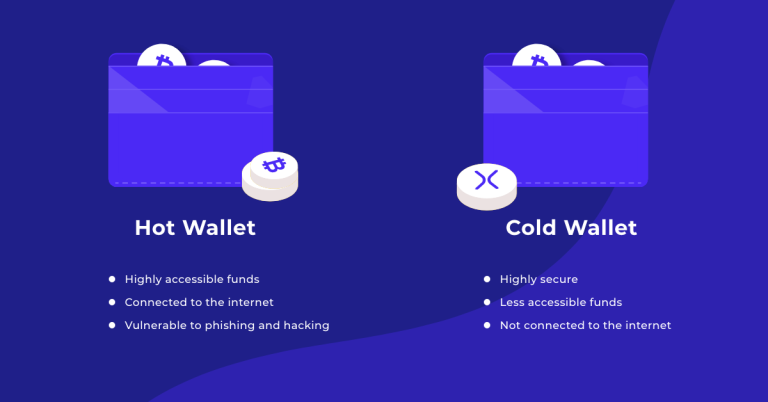
- Security remains paramount as major exchanges employ multi-layered protections, though custodial risk persists, prompting many users to opt for non-custodial wallets.
- Volume metrics not only signal platform reliability but impact how effectively traders can execute large orders without slippage or delays.
Understanding the Importance of Trading Volume in Crypto Exchanges
In the realm of cryptocurrency, trading volume stands as a crucial indicator of an exchange’s capacity to handle significant liquidity and demand. High volumes translate to tighter bid-ask spreads and faster order execution—factors that are especially vital when market volatility surges. Exchanges such as Binance, OKX, and KuCoin exemplify high-volume platforms, consistently processing billions of dollars daily across a diverse range of assets.
This liquidity depth ensures that traders can enter or exit sizable positions swiftly without suffering from detrimental price slippage. For example, while a lower-volume exchange might delay or restrict large trades due to a lack of counterparties, these leading platforms maintain robust books filled with buyers and sellers at competitive prices. Consequently, volume fosters reliable price discovery and market stability, which are indispensable for both institutional investors and casual participants.
Why Liquidity Directly Impacts Trading Efficiency and Costs
Liquidity defines how effortlessly an asset can be exchanged without affecting its price significantly. High liquidity permits traders to execute orders quickly and at anticipated prices, reducing exposure to price fluctuations during execution. This aspect becomes a game changer on platforms like OKX and Bybit, which not only provide wide asset selections but also integrate fee structures rewarding active traders, thus enhancing profitability for high-frequency operations.
Top Crypto Exchanges Leading the High-Volume Trading Arena
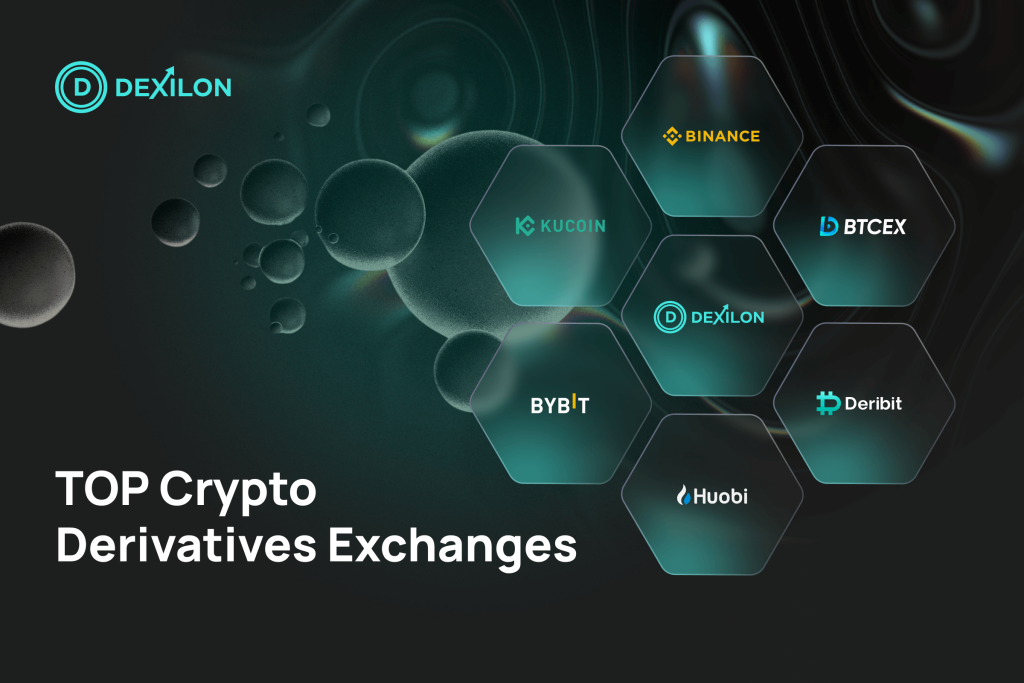
The forefront of crypto exchanges by volume proudly includes prominent names like Binance, Coinbase Pro, and Bybit. Each platform offers unique combinations of assets, fees, and functionalities designed to meet varying trader expectations.
Binance remains the global leader, with hundreds of coins, seamless integration of DeFi tools, and an in-built Web3 wallet, facilitating a bridge between traditional centralized trading and decentralized finance. Its straightforward fee structure—0.1% for both makers and takers, lowered by 25% when paying fees in BNB tokens—supports traders at every level with cost efficiency. Security measures include two-factor authentication and asset funds safely locked in cold storage, providing resilience against cyber threats.
Coinbase Pro is well-regarded in regulatory circles, particularly in the United States, offering a polished interface that scales from beginner to advanced users. Despite higher fees relative to peers, its reputation for compliance and ease of use makes it a preferred platform for newcomers and institutions alike. Recent improvements have bolstered customer support and security, although users need to remain vigilant—especially regarding identity verification demands and safe withdrawal processes as outlined in detailed KYC protocols.
Bybit caters primarily to active and professional traders who seek rapid execution and extensive derivatives options. Notably, Bybit integrates Web3 elements, but traders should be aware of its custodial nature and past security incidents. Its tiered fee model rewards volume-based traders, making it appealing for sophisticated strategies and high-frequency trading environments.
Emerging High-Volume Players with Distinctive Features
Exchanges like KuCoin, Gemini, and Gate.io continue to expand market share by focusing on diverse altcoin offerings and customized trading bots. For example, KuCoin’s integrated trading bots empower users to automate grid and dollar-cost averaging strategies, key for maintaining positions across fluctuating markets. Gate.io’s broad asset listings and sophisticated tools cater to power users who demand advanced portfolio management capabilities.
Balancing Security and Trading Features in High-Volume Crypto Exchanges
Security is a cornerstone for any exchange aspiring to support high trading volumes. Robust protocols including cold wallet storage, multi-factor authentication, and operational audits are critical defenses against breaches. For instance, platforms like Kraken and Huobi Global have implemented layered security approaches to safeguard user assets, although the custodial risk inherent in centralized exchanges remains a consideration.
Moreover, the choice between custodial exchanges and non-custodial wallets is pivotal. Traders increasingly recognize the importance of self-custody as a buffer against exchange insolvencies or censorship. The rise of decentralized wallets like Best Wallet highlights a trend where users seek enhanced control without sacrificing access to liquidity and efficient swaps, reflecting insights on decentralized versus centralized platforms available at Exchange Scout.
Trading Tools and Automation for Volume-Based Strategies
Advanced traders gravitate towards exchanges offering automated trading solutions, including bots and AI-driven strategies. These features reduce manual workload and allow for rapid reaction to market shifts. Platforms such as Bitfinex and OKX incorporate sophisticated algorithmic tools designed to optimize order timing and execution quality, maximizing returns on large trading volumes.
Expanding Horizons: Beyond Spot Trading with Futures and Derivatives
Derivatives trading platforms like CoinFutures have introduced gamified interfaces that make leveraging accessible while educating newcomers on risks. With leverage options up to 1000x, these platforms attract speculative traders who thrive on volatility. However, extensive risk management is essential, emphasizing the importance of regulatory compliance and user understanding outlined in guides on identity requirements and secure withdrawals.
For traders looking to diversify beyond centralized venues, platforms that combine substantial volume with decentralized trading capabilities will continue gaining prominence. The expanding availability of tools for automation and non-custodial asset holding is shaping the future of high-volume crypto trading ecosystems.