
Sending and receiving cryptocurrency requires careful attention to avoid costly mistakes and security breaches. As digital assets surge in popularity in 2025, users increasingly demand clarity on how to conduct transactions securely. Whether using popular wallets like MetaMask or Trust Wallet, or leading exchanges such as Binance, Coinbase, or Kraken, understanding the intricacies of network choices, fee management, and transaction monitoring is essential to protect investments. With no customer support hotline to reverse errors, every detail counts—from verifying wallet addresses to choosing the correct blockchain network.
Key takeaways emphasize the importance of triple-checking recipient addresses, matching deposit networks correctly, and monitoring gas fees especially during network congestion. Sending a small test amount first can help catch errors early. Utilizing reputable wallets and platforms with built-in transaction tracking reduces risks. Additionally, awareness of regulatory challenges like the Travel Rule impacting cross-border transfers enhances operational readiness. Proper preparation elevates transactions from vulnerable gambles to confident executions.
Understanding the Causes of Crypto Transfer Failures and Essential Pre-Send Checks
Transactions in the crypto realm frequently fail due to user errors rather than platform faults. A prevalent cause is sending funds to an incorrect wallet address. Given the irreversible nature of blockchain transactions, even a single mistyped character can lead assets to disappear permanently or fall into unknown hands. Moreover, selecting the wrong blockchain network when transferring tokens, such as opting for Ethereum instead of Tron for USDT transfers, often results in irretrievable loss. Users must therefore align their token’s blockchain compatibility with the recipient’s wallet network to prevent mishaps.
Another critical factor leading to failed transactions is underpaying the required gas fees. Networks like Ethereum dynamically adjust fees based on congestion; insufficient gas prices cause transactions to be either stalled indefinitely or rejected outright. Apart from these, compatibility issues arise when wallets do not support certain tokens or chains, so verifying wallet asset support is pivotal before initiation.
In 2025, as crypto exchanges like Binance and Coinbase dominate volume, understanding these factors safeguards capital through the complex web of token standards and blockchain architecture. Preparing well circumvents the frustration of failed transfers without recourse.
How Network Congestion, Gas Fees, and Smart Contract Glitches Impact Transfers
Despite users following all best practices, network conditions often play a decisive role. Overloaded blockchains like Ethereum can delay confirmation times, with transaction queues ballooning due to high activity. A transaction submitted with inadequate gas fees might linger pending or fail outright when validators prioritize higher-fee transactions.
Smart contracts introduce additional complexity in decentralized finance (DeFi) environments. Bugs or limitations in a contract’s code can cause transfers to bounce back or fail. For instance, a user mistakenly sending tokens through unsupported contract functions on Kraken might experience unexpected rejections.
Recent analyses revealed that on chains such as Solana, bot spamming significantly contributes to congestion-related failures, reinforcing the need for users to time their transactions wisely and monitor current network statuses and historic fee data through tools embedded in wallets like Ledger and Trezor.
Practical Guidance for Troubleshooting and Speeding Up Stuck Crypto Transactions
When a transaction seems delayed or unconfirmed, a systematic approach helps to identify and possibly rectify issues. First, verify recipient addresses for accuracy ensuring that copy-paste methods were used instead of manual typing. Next, confirm the chosen blockchain network matches the recipient’s wallet support—common examples include Ethereum, Polygon, or Binance Smart Chain.
Checking transaction status on blockchain explorers like Etherscan or Solscan provides transparency. These tools display whether a transfer is pending, successful, or failed, offering timestamps and fee information. If a transaction is stuck, some wallets and exchanges allow users to accelerate it by increasing gas prices or, when supported, cancel it.
Comprehensive platforms such as Gemini and Bitstamp integrate these functionalities to ease user experience, making informed decisions about stuck transactions possible without extensive technical knowledge.
Confirming Wallet Compatibility and Token Support Before Sending
Another layer of pre-transfer diligence is ensuring that the recipient’s wallet supports the particular token and blockchain being sent. For instance, sending a token built on BNB Chain to a wallet that only supports Ethereum-based assets leads to irreversible loss. Popular software wallets such as MetaMask and Trust Wallet provide compatibility information, but double-checking saves substantial risk.
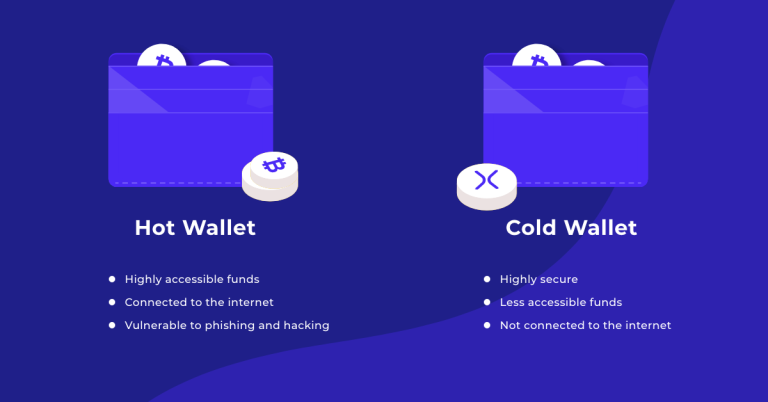
Users should also consider wallet types: hot wallets offer convenience at the cost of higher exposure to online threats, whereas cold storage solutions like hardware wallets (Ledger, Trezor) minimize attack surfaces but require a more methodical transaction approach.
Impact of Regulatory Compliance on Crypto Transfer Success Rates
Regulations in 2025 increasingly influence crypto transfer mechanics, particularly through rules like the Travel Rule. This requires virtual asset service providers to verify and share sender and recipient details on significant crypto movements. Failure to comply can lead to transaction freezing or rejection, especially during cross-border transfers or when sending funds to exchanges.
The inconsistency in adoption of these regulations across jurisdictions, often referred to as the “sunrise issue,” complicates transfers. Some exchanges and wallets will block transfers to self-hosted wallets if verification cannot be completed, affecting platforms like Binance and other leading services.
Staying up to date with regional compliance requirements and aligning KYC documentation reduces the potential for delays or failures. Sources such as crypto tax reporting guidelines in 2025 offer insight into evolving obligations and best practices.
Optimizing Transaction Speed by Choosing the Right Blockchain Network
Transaction speeds vary significantly across blockchain networks. While Bitcoin processes six confirmations roughly every 10 minutes, newer blockchains like Solana or Avalanche complete transactions almost instantaneously. Selecting a network aligned with the urgency of your transaction can prevent frustration and lost opportunities.
Emerging networks such as Aptos and Sui are intensifying competition in speed and throughput, thus broadening choices for users prioritizing quick settlement times. Being informed of these nuances allows sending parties to adjust expectations and select platforms — such as Kraken or Coinbase — which support multiple networks to optimize speed without sacrificing security.
Ultimately, mastering these details enhances the overall experience, empowering users to convert cryptocurrency exchanges from a source of anxiety to a realm of efficiency and confidence.