
With the surge in cryptocurrency adoption in recent years, especially leading into 2025, the process of withdrawing funds from crypto exchanges has become both an essential and nuanced task for investors and users. Navigating how to convert digital assets into fiat currency safely requires not only an understanding of the platforms involved but also vigilance against security pitfalls and unexpected fees. From globally recognized exchanges like Coinbase, Binance, Kraken, Gemini, Bitstamp, Crypto.com, Bitfinex, Huobi, KuCoin, to OKX, each offers distinct features, withdrawal protocols, and fee structures, making the selection and method critical to optimizing withdrawal operations.
In brief:
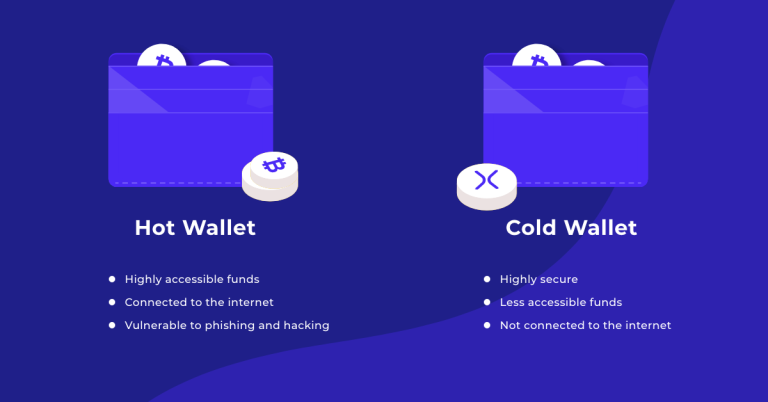
- Understanding custodial versus non-custodial wallets clarifies who holds the keys and thus controls your crypto assets during withdrawal.
- Off-ramps integrated within wallets like Cold Wallet offer streamlined crypto-to-fiat conversion with minimal steps.
- Leading exchanges such as Coinbase, Binance, Kraken, Gemini, Bitstamp, Crypto.com, Bitfinex, Huobi, KuCoin, and OKX are popular withdrawal channels, each with specific fees and security measures.
- Verifying withdrawal addresses and avoiding phishing or scam off-ramps is paramount to secure fund transfers.
- Tax implications should be considered when converting crypto assets into fiat currency.
Critical Strategies for Secure Withdrawals from Popular Crypto Exchanges
As cryptocurrencies like Bitcoin (BTC), Ethereum (ETH), and emerging altcoins gain traction, security and efficiency remain pivotal during fund withdrawal from exchanges. Platforms such as Binance and Kraken have implemented two-factor authentication (2FA), withdrawal whitelist capabilities, and cold storage solutions to safeguard user assets. However, users must remain alert to avoid common pitfalls such as sending funds to incorrect wallet addresses or falling prey to phishing scams that imitate legitimate withdrawal portals.
For instance, Coinbase employs an intuitive interface for withdrawing fiat currency directly to bank accounts, while Gemini offers insured custody, adding an additional layer of security. On the other hand, exchanges like Bitstamp and Crypto.com focus on swift withdrawal processing, reducing latency in accessing funds. Consequently, understanding each exchange’s specific withdrawal policies can dramatically improve transaction speed and security. The key lies in integrating personal security protocols with the exchange’s existing safeguards to prevent unauthorized access and asset loss.

Efficient Use of Off-Ramps for Crypto-to-Fiat Conversion
Off-ramps serve as the gateway to transform cryptocurrency holdings into traditional fiat currencies such as USD or EUR. Services integrated within non-custodial wallets like Cold Wallet simplify this transition by combining exchange access, fiat conversion, and banking integration into a seamless user experience. By partnering with providers like MoonPay, Transak, or Ramp, users in different jurisdictions can benefit from localized solutions optimized for speed and cost.
For example, a user holding Ethereum on KuCoin might prefer using an off-ramp directly through their wallet to convert and withdraw funds, bypassing the need for multiple transfers and conversions. This approach reduces transaction fees and potential delays common in routing through multiple platforms. Moreover, these off-ramps usually disclose the fee structure upfront, empowering users to make informed choices. Employing these methods not only accelerates access to physical funds but also minimizes exposure to volatile crypto market fluctuations during withdrawal waiting periods.
Best Practices to Maximize Withdrawal Success and Minimize Fees
Withdrawal fees vary notably across exchanges and blockchain networks. For instance, Bitcoin transactions might incur higher network fees depending on block congestion, whereas stablecoin transfers on Binance Smart Chain may offer cheaper alternatives. Users should always review the fee structures on platforms like Bitfinex and Huobi before initiating withdrawals.
Adhering to withdrawal limits and timing withdrawals during lower network traffic hours can significantly reduce costs and processing times. Additionally, keeping withdrawal wallet addresses stored in the exchange’s whitelist increases security and expedites the confirmation process. Exchanges like OKX and Gemini commonly provide these features for user convenience. Prior to confirmation, carefully verifying all transaction details prevents irreversible errors.
When withdrawing large sums, consider splitting the transfer into smaller amounts where platform policies or personal security preferences encourage it. Lastly, the wallet’s backup phrase and security settings (such as biometric locks) remain vital to protecting access during and after withdrawal transactions.