
In the rapidly evolving landscape of cryptocurrency trading, discerning the trustworthiness of new exchanges has become a critical concern for investors and traders alike. With the proliferation of platforms such as Coinbase, Binance, Kraken, Gemini, Bitstamp, Crypto.com, eToro, KuCoin, FTX, and Huobi, users face the challenge of navigating a complex market where security, compliance, and operational transparency vary widely. This dynamic environment demands a meticulous approach to assessing exchanges beyond mere volume or user base, focusing instead on stringent audits, regulatory adherence, and proven operational resilience.
Ensuring a platform’s reliability involves examining several dimensions: third-party security and financial audits, transparent asset listing policies, and compliance with evolving regulatory frameworks. These factors collectively enhance confidence among users and institutions, especially in light of past incidents where centralized exchanges faced insolvency or security breaches. As institutions increasingly seek vetted platforms for trading and investment, the role of certifications like Certified Cryptocurrency Auditor and proof-of-solvency disclosures grows in importance, serving as benchmarks for trust within the digital asset ecosystem.
Key Compliance and Security Indicators for Emerging Crypto Exchanges
New exchanges must prioritize compliance with crypto-specific regulations, including anti-money laundering (AML) and know-your-customer (KYC) protocols, which are foundational to establishing legitimacy. The regulatory outlook as of 2025 emphasizes stringent oversight, with many jurisdictions demanding regular audit reports to confirm an exchange’s financial health and operational soundness. Compliance also extends to transparent asset listing practices, where exchanges like Kraken and Gemini set standards by disclosing criteria for token inclusion, thereby mitigating risks associated with unvetted assets.

Evaluating the Role of Third-Party Audits and Financial Transparency
Third-party audits play a pivotal role in validating an exchange’s trustworthiness. These independent assessments scrutinize an exchange’s security infrastructure, solvency status, and adherence to financial standards. Notably, exchanges such as Binance and Crypto.com have increasingly adopted this practice, publishing audit reports to bolster user confidence. Furthermore, financial transparency through proof-of-assets disclosures, a practice endorsed by regulatory entities, provides empirical evidence of the exchange’s capacity to fulfill user withdrawal demands, thus reducing systemic risk during market turbulence.
Market Resilience and Proof-of-Solvency: Cornerstones for Trust in Centralized Exchanges
The historic volatility of the crypto markets, especially highlighted during the extreme events of 2022, underscores the necessity for exchanges to demonstrate resilience. Utilizing analytical frameworks like AR-GARCH and MVaR, researchers and institutions assess the stability of centralized exchanges under stress conditions. Exchanges that maintain proof-of-solvency disclosures, notably Bitstamp and Huobi, signal robust operational governance, assuring users that assets are securely managed and that the platform can withstand financial shocks.
How User Experiences and Security Practices Shape Exchange Reputation
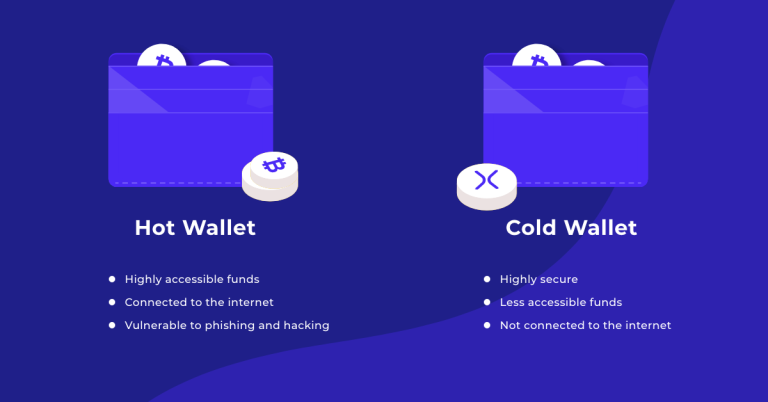
While compliance and audits are foundational, the tangible experiences of users significantly influence an exchange’s perceived trustworthiness. Platforms such as eToro and KuCoin have built reputations by combining user-friendly interfaces with rigorous security measures, including multi-factor authentication and cold storage solutions. These mechanisms not only protect user assets but also elevate overall market confidence. Consequently, assessing user feedback alongside institutional metrics provides a holistic view of an exchange’s reliability.