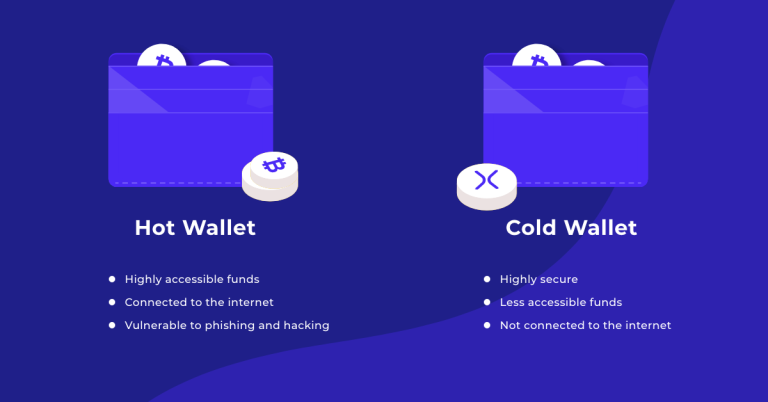
In the realm of digital finance, the debate between hot and cold cryptocurrency wallets remains pivotal for users seeking the optimal balance of convenience and security. Hot wallets, characterized by their internet connectivity, facilitate swift and frequent transactions, making them a preferred choice for active traders and everyday users. Conversely, cold wallets, disconnected from online networks, offer enhanced security skins, making them ideal for long-term storage of substantial crypto assets.
Understanding the nuances between these wallet types is essential as the crypto space expands in 2025. Hot wallets excel in ease of access and integration with decentralized applications, whereas cold wallets provide robust protection against cyber threats and hacking attempts. This guide explores when hot wallets are the better choice, highlighting key features, practical applications, and examples, all while considering user security and asset management strategies.
In brief:
- Hot wallets provide instant access to cryptocurrencies and are designed for frequent transactions.
- They are usually software-based, available as mobile, desktop, or web applications like MetaMask and Coinbase Wallet.
- Cold wallets store private keys offline and are best suited for long-term, secure storage of large crypto holdings.
- Hot wallets typically carry higher security risks due to constant internet connectivity but benefit from convenience features and integration with exchanges.
- A hybrid approach using both wallet types allows users to engage actively in crypto trading while safeguarding their assets effectively.
Why Hot Wallets Serve Active Crypto Users Better
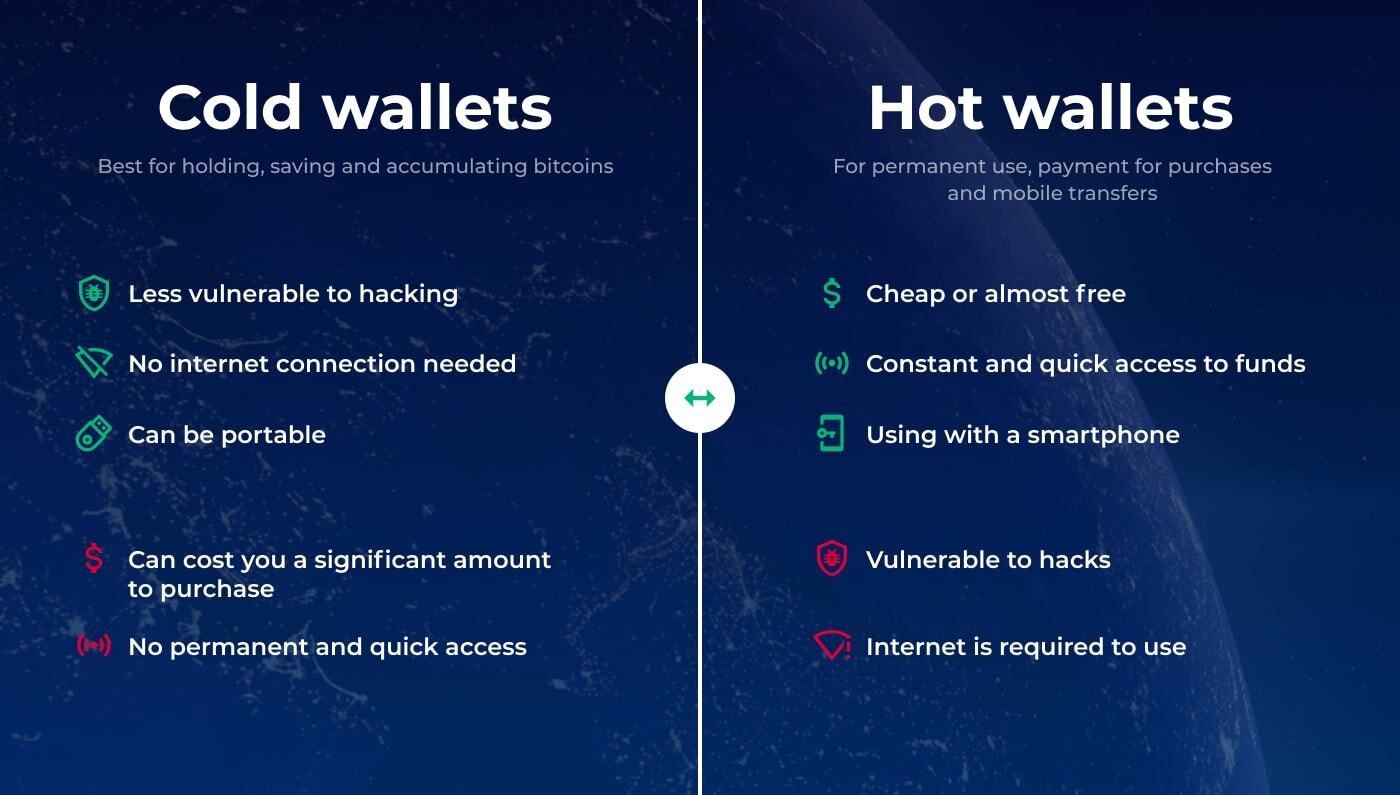
Hot wallets operate on devices connected to the internet, making them indispensable for users who require quick and regular access to their digital assets. These wallets store private keys locally or on servers, enabling users to sign transactions instantly. The convenience is evident in wallets such as MetaMask, Coinbase Wallet, and Trust Wallet, which provide seamless interfaces integrated with many decentralized applications and exchanges.
Such integration allows users to manage their portfolios efficiently, execute trades without delay, and participate in staking or decentralized finance activities. However, the increased exposure to potential cyberattacks means hot wallets are better suited for holding smaller amounts needed for day-to-day use rather than sizeable savings. The balance between usability and security is critical, with sophisticated encryption and biometric authentication features enhancing safety without compromising accessibility.
Features Making Hot Wallets Popular
User-friendly design and cross-platform availability characterize top hot wallets. For example, Exodus and Electrum offer robust desktop and mobile versions, allowing users to switch easily between devices.
Moreover, hot wallets often incorporate multi-chain support and built-in crypto purchasing options, streamlining asset acquisition and management. The ability to connect directly to exchanges reduces withdrawal times, vital for traders engaging in fast-paced markets. This ecosystem compatibility sustains their compelling appeal, especially among newcomers and experienced traders alike.
When Cold Wallets Offer Superior Security and Peace of Mind
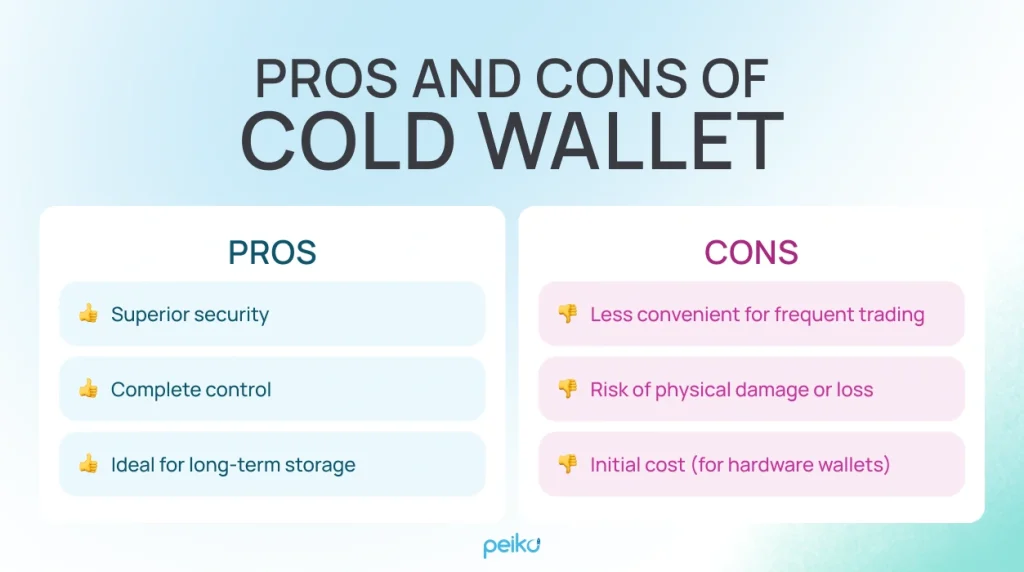
Cold wallets eliminate internet exposure by storing private keys offline, significantly reducing the risk of hacking. Hardware wallets like Ledger and Trezor are examples of this category, offering secure chips that physically isolate cryptographic keys. These devices, along with metal wallets that engrave private data, are preferred for safeguarding large crypto reserves which users plan to hold over extended periods.
While cold wallets require more effort to access — involving processes like device unlocking and transaction signing through air-gapped methods — their security advantages are pronounced. As highlighted in cold storage guidance, such approaches protect assets from malware, phishing attacks, and server breaches that commonly target online wallets.
Cold Wallets and Their Role in Long-Term Crypto Strategies
Investors and institutions increasingly adopt cold wallets to mitigate risks associated with custodial wallets and exchange outages. The non-custodial nature of hardware wallets like the Bitkey or Passport for Bitcoin further ensures full ownership and control. Users can combine this offline storage with a hot wallet for operational flexibility, creating a comprehensive security protocol.
This dual strategy, supported by reliable backup measures and secure recovery phrases, is recommended for maintaining integrity amidst the evolving crypto landscape. For users looking to deepen security, resources at best cold wallet solutions provide extensive reviews and advice.
Choosing the Right Wallet: The Intersection of Security and Convenience
Deciding between hot and cold wallets hinges on evaluating your personal crypto usage patterns. Frequent traders and active users value hot wallets for their operational ease, while long-term holders prioritize the fortified defense of cold wallets. Notably, wallets such as MyEtherWallet and Blockchain.com Wallet offer user-friendly options within hot wallet categories for beginners.
Integrating a wallet like Atomic Wallet or BRD Wallet provides access to diverse cryptocurrencies and extends functionality into areas like staking and decentralized exchanges.
Effective management involves maintaining minimal operational funds in hot wallets while securing the majority in cold storage. This practice mitigates risks highlighted in recent cybersecurity trends and user incidents, empowering investors to engage confidently in the dynamic crypto environment of 2025.