In the dynamic landscape of cryptocurrency management, safeguarding digital assets demands robust security measures. Two-factor authentication (2FA) stands out as a pivotal mechanism, requiring users to confirm their identity through two distinct verification methods. This security layer is crucial in 2025 given the rising sophistication of cyber threats targeting popular wallets and exchanges like Coinbase, Binance, and Kraken. By integrating 2FA, users effectively bolster their defenses against unauthorized access, offering a critical barrier that goes beyond traditional password protection.
En bref : Two-factor authentication greatly enhances the security of crypto wallets and exchanges by adding an additional verification step; it mitigates risks associated with password theft and phishing attacks. Popular 2FA methods like authenticator apps or SMS provide dynamic codes that prevent unauthorized logins. Wallets such as MetaMask, Trust Wallet, and Exodus as well as exchanges like Bitfinex and Blockchain.com emphasize 2FA adoption to maintain asset integrity. Regular updates and strong backup codes ensure continuous protection, while understanding proper setup and recovery procedures is vital to avoid access issues.
How Two-Factor Authentication Reinforces Security on Crypto Wallets and Exchanges
With cryptocurrency theft increasingly prevalent, 2FA serves as a foundational security strategy for wallets and exchanges including Coinbase and Binance. The principle involves using two separate factors: typically, something the user knows, such as a password, and something the user has, like an authentication app or SMS code. This layered protection significantly raises the barrier for attackers, reducing risks from common threats such as credential stuffing and phishing.
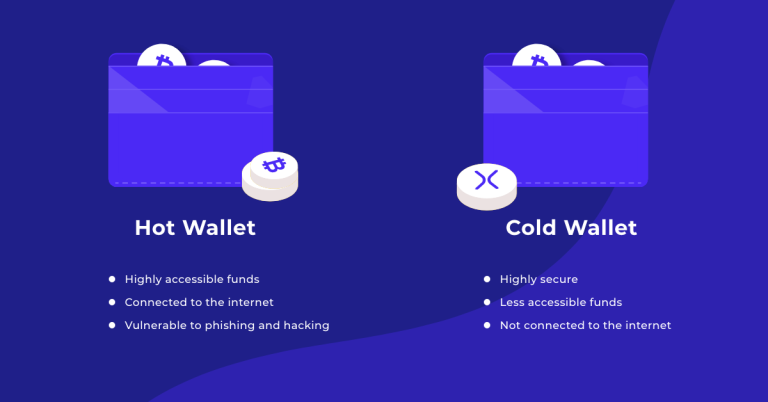
For instance, high-profile platforms like Kraken and Bitstamp offer users options to enable 2FA not only via SMS but increasingly through apps like Google Authenticator or Authy, which are preferred for their resilience against SIM-swapping scams. Meanwhile, hardware wallets and multi-signature wallets add an additional dimension for those managing larger portfolios on platforms such as Bitfinex and Gemini.
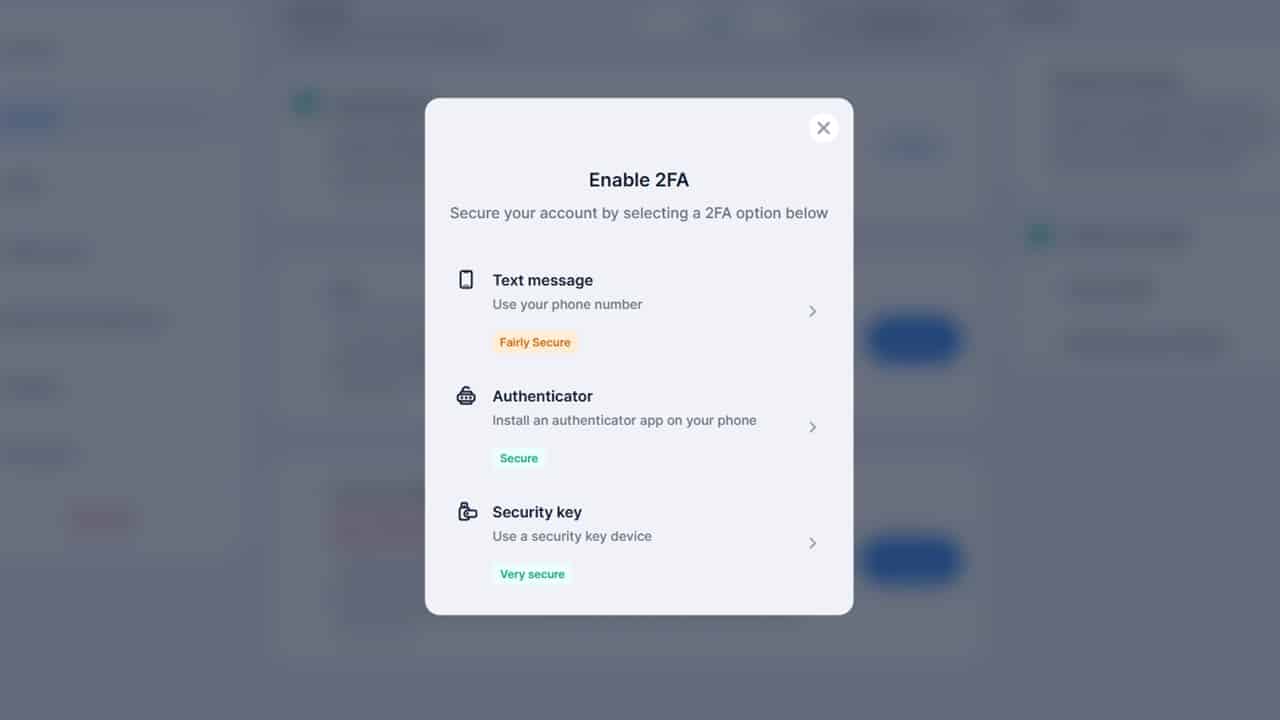
Setting Up Two-Factor Authentication: Step-by-Step Guidance on Leading Platforms
Enabling 2FA on popular platforms is a user-friendly process, but understanding the detailed steps is key to effective implementation. On Coinbase, users typically navigate to security settings, select the option to add 2FA, and link their account to an authenticator app by scanning a QR code. Binance offers flexibility by supporting both SMS verification and app-generated codes. Each platform, including Kraken and MetaMask, provides clear instructions, often involving the storage of backup codes to guard against device loss.
In the case of wallets like Trust Wallet or Exodus, the approach similarly revolves around integrating Google Authenticator or a similar app, ensuring that each login requires a time-sensitive code in addition to the password. This systematic enhancement drastically reduces the likelihood of unauthorized access, even if passwords are compromised.
Benefits and Best Practices for Maintaining Reliable Two-Factor Authentication
Implementing 2FA delivers marked benefits beyond basic password protection. It enhances security by demanding a secondary verification factor, which deter phishing, social engineering, and brute-force attacks. Furthermore, by using methods such as authentication apps instead of SMS where possible, users can avoid vulnerabilities linked to mobile network interception.
To maintain strong protection, users should keep their authentication apps updated and store backup recovery codes securely offline. These backup codes offer a vital fallback for regaining access if a 2FA device is lost or malfunctions. Regularly reviewing and updating 2FA settings is essential to adapt to evolving security landscapes and maintain optimum defense.
Failing to enable 2FA exposes wallet and exchange accounts to automated attacks and increases risk in common exploits such as SIM-swapping, especially critical considering that transactions on platforms like Blockchain.com and Bitfinex are irreversible. Therefore, adopting 2FA is not merely recommended but foundational to crypto asset security in 2025.
Addressing Common Set-Up Challenges and Recovery Processes for Two-Factor Authentication
Despite its straightforward premise, users may face hurdles like device incompatibility, delays in receiving verification codes, or accidental misconfiguration. When facing access issues, utilizing backup recovery codes is imperative. If a user loses their 2FA device, many platforms—including Gemini and Bitfinex—support recovery processes involving identity verification or resetting 2FA settings via customer support.
Such features underscore the importance of understanding your platform’s 2FA recovery options as well as securely storing backup credentials, minimizing the risk of permanent lockout and asset loss. These protocols exemplify best practices recommended for users seeking robust security on exchanges like Binance and wallets such as Trust Wallet.