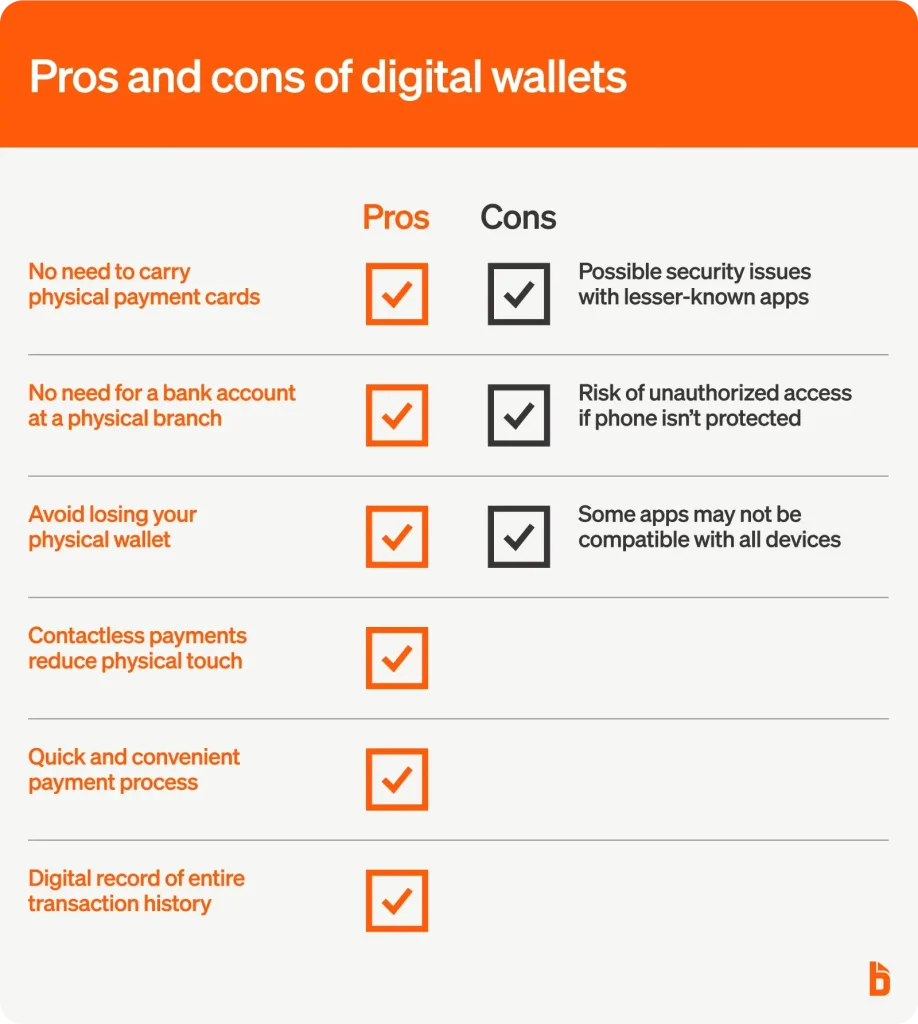
In the rapidly evolving landscape of cryptocurrency management, mobile crypto wallets have carved out a significant niche as a favored tool among users seeking both convenience and control over their digital assets. These wallets, accessible on smartphones, allow seamless transactions, quick access to funds, and integration with a variety of cryptocurrencies. Popular options like Trust Wallet, Exodus, and MetaMask stand out for their user-friendly interfaces and robust features, appealing to both novices and seasoned traders. Yet, the allure of these portable vaults comes with inherent risks and considerations that every potential user must weigh carefully before entrusting them with their assets.
En bref : Mobile crypto wallets offer unparalleled convenience by consolidating multiple payment methods onto a single device, allowing for swift and secure transactions. Enhanced security features such as encryption and biometric authentication help mitigate cyber threats. However, these wallets are not without risks, including vulnerability to hacking, limited merchant acceptance, and the challenges of digital theft. Users also face the trade-off between accessibility and potential loss of funds due to technical errors or security breaches.
Understanding Convenience and Accessibility of Mobile Crypto Wallets
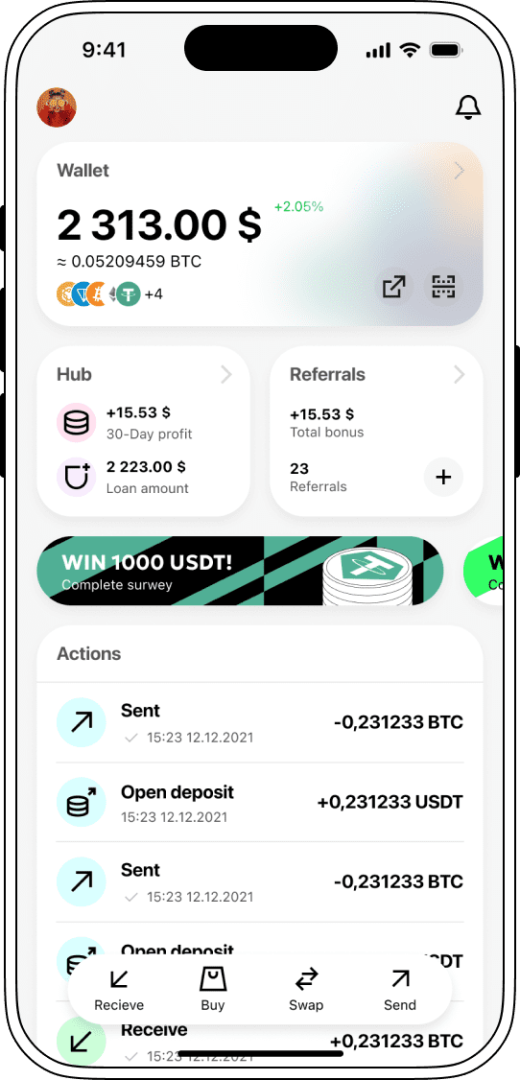
Mobile crypto wallets represent a leap forward in digital finance by enabling users to control their cryptocurrency portfolios directly from their smartphones. The convenience of accessing multiple cryptocurrencies like Bitcoin, Ethereum, and altcoins on-the-go cannot be overstated. Wallets such as Coinbase Wallet and Mycelium have popularized this approach, providing intuitive interfaces and the ability to store various tokens securely.
This mobility is particularly advantageous during travel or daily errands, eliminating the need to carry physical wallets or cards. Moreover, these apps often include features like transaction histories and budget trackers, empowering users to maintain financial oversight effortlessly. However, this convenience also depends on the availability of secure, reliable internet connections and compatible merchants who accept crypto payments, which remains a challenge in certain regions and business sectors.
Security Enhancements Amid Convenience
Security remains paramount when dealing with cryptocurrencies, and mobile wallets have integrated advanced encryption protocols, two-factor authentication (2FA), and biometric safeguards like fingerprint and facial recognition to protect user assets. Wallets including Atomic Wallet and Edge emphasize these security features to build user confidence.
Importantly, these security measures help reduce the risk of identity theft and unauthorized transactions by obfuscating sensitive data through tokenization and encrypted storage. Nonetheless, even the most secure wallet cannot fully eliminate threats; phishing attacks and sophisticated hacks continue to challenge users and providers alike. This reality underscores the necessity of diligent personal security practices alongside technological safeguards.
Weighing the Risks: Vulnerabilities and Limitations
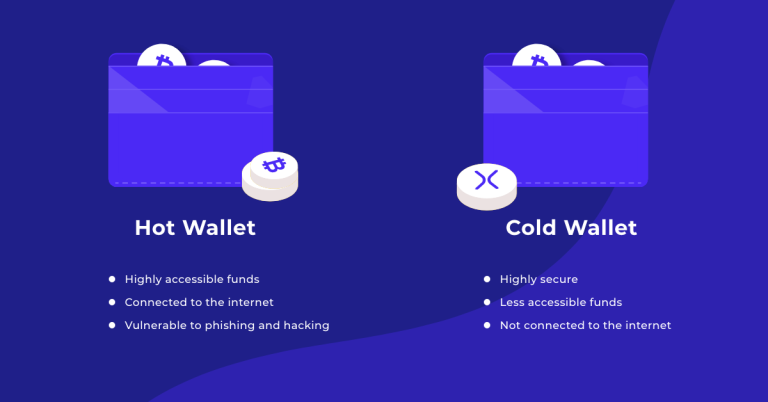
Despite technical advancements, mobile crypto wallets inherently face ongoing risks tied to their digital nature. The reliance on smartphones means that loss or theft of the device can result in significant financial exposure if robust recovery options or wallet backups are not utilized effectively. Wallets such as BRD and Guarda offer solutions for wallet backup and restoration, yet user error remains a substantial threat vector.
Moreover, the limited acceptance of cryptocurrency payments in mainstream commerce restricts the practical usability of mobile wallets. While giants like Starbucks and Target accept some digital payments, smaller vendors often lack the infrastructure or willingness to adopt these methods, confining the wallets’ utility in daily life. The volatile nature of cryptocurrencies themselves, paired with transaction fees and processing times, further complicates their role as routine payment tools.
Balancing Multifunctionality with Security Concerns
Another facet to consider is the wallet’s capability to link multiple payment options — enabling users to switch seamlessly between credit cards, bank accounts, and various cryptocurrencies. This feature enhances flexibility, but simultaneously expands the attack surface for cybercriminals. Platforms like Zengo and MetaMask respond by integrating multi-layered protections to mitigate these risks.
Additionally, the allure of rewards programs and cashback incentives attached to some wallets can entice users to engage more frequently with their funds. While potentially advantageous, these programs might also encourage impulsive spending or create dependency on digital ecosystems that are subject to regulatory changes and market dynamics.