In the complex world of cryptocurrencies, understanding transaction fees is not merely a matter of cost calculation but a critical aspect of comprehending how blockchains operate and sustain themselves. As the backbone of decentralized finance gains prominence in 2025, grasping the nuances of crypto fees empowers users to optimize their trades, make informed choices, and anticipate the economic dynamics of digital networks like Bitcoin or Ethereum. These fees are more than transactional costs—they represent essential economic mechanisms that maintain network security, allocate scarce resources, and shape user behavior across platforms such as Coinbase, Binance, and Kraken.
The fee market within blockchain ecosystems functions as an intricate balancing act where limited block space becomes a valuable commodity subject to supply and demand. This interplay can lead to fluctuating costs depending on network congestion and transaction complexity. Practical knowledge of how fees are structured on major blockchains—for instance, the base fee and priority fee system introduced by Ethereum’s EIP-1559—equips traders and casual users alike with the tools to navigate peak times without overpaying. Moreover, innovations like Layer 2 scaling are beginning to reshape fee paradigms by enhancing throughput and reducing costs, paving the way for more efficient and user-friendly crypto experience.
How Blockchain Transaction Fees Secure the Network and Influence Costs
Transaction fees serve as the economic engine of blockchains, incentivizing validators such as miners or consensus participants to process and validate transactions. Beyond being mere costs, these fees act as protective barriers against spam attacks that could overwhelm networks with meaningless data. On networks like Bitcoin, fees are proportional to the size of the transaction in bytes, whereas Ethereum employs a more sophisticated mechanism called gas, reflecting the computational effort required to execute various operations, including interaction with smart contracts.
This design ensures that transactions consuming more resources demand higher fees, aligning network costs with usage intensity. For instance, when a popular DeFi application on Ethereum spikes in activity, the increased gas demand inflates fees temporarily. Understanding this correlation is crucial for users seeking to manage their transaction expenses effectively across exchanges like Crypto.com or Gemini.
The Dynamic Marketplace of Fee Allocation
At its core, blockchain fee markets operate through a dynamic auction where users bid for inclusion in the limited space available within each new block. This competitive bidding process becomes particularly noticeable during periods of network congestion—often triggered by market volatility or high-profile NFT launches—when fees surge due to intensified demand. This market-driven model creates a price signal that prioritizes transactions based on the fees offered, allowing critical or time-sensitive exchanges on platforms like Bitstamp or Blockchain.com to proceed faster by including a priority fee.
The introduction of Ethereum’s EIP-1559 in recent years made fee estimation more predictable by establishing a mandatory base fee that adjusts automatically based on network usage. This base fee is burned, reducing overall token supply and adding a deflationary mechanism to the network economy. Users who want their transactions processed swiftly can attach a priority fee to motivate validators, a system that blends transparency with market dynamics.
Key Factors Impacting Crypto Fee Volatility and Management Strategies
Crypto fee volatility arises from an inherent imbalance between fixed blockchain capacity and fluctuating user demand. When networks reach processing limits, users compete financially to prioritize their transactions, which can sharply increase costs. The popularity of decentralized applications, throughput limitations, and active market conditions like high volatility or sudden surges in decentralized exchange (DEX) trading volumes are common drivers of this volatility.
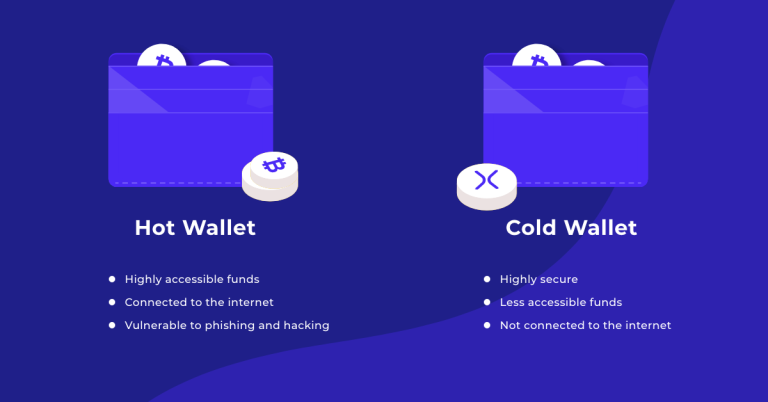
Traders on platforms such as Gemini or Binance must strategize to minimize fee impacts. Techniques include timing transactions during low-traffic periods and choosing exchanges with competitive fee schedules. For instance, navigating fees efficiently requires understanding the differences between exchange fee structures and leveraging resources that highlight ways to reduce fees on trading platforms. Additionally, optimal use of wallets like Ledger or Trezor, or selecting mobile wallets evaluated in mobile crypto wallet reviews, can further aid in fee efficiency and transaction security.
Technological Innovations Shaping the Future Fee Landscape
The evolution towards scaling solutions like Layer 2 protocols is redefining how fees operate by processing transactions off-chain and batching them, drastically lowering per-transaction costs. Ethereum’s Proto-Danksharding, scheduled for broader implementation, will establish separate fee markets for data availability, decoupling it from computational fees. This advancement is expected to enhance throughput and create a more stable fee environment beneficial for both retail and institutional actors.
Another emerging trend is account abstraction, which may allow decentralized applications to subsidize fees for users, mitigating the complexity of direct fee payments and removing a significant adoption hurdle. Such innovations suggest a future where fees are abstracted from end-users while maintaining robust economic incentives for network security and operational efficiency.
As the DeFi ecosystem matures, fee optimization will become a defining element in users’ investment strategies and everyday blockchain interactions. Whether transferring assets between platforms or managing withdrawals—tasks covered in detailed guides such as crypto withdrawal processes—an in-depth understanding of fee mechanics is indispensable to maximizing value in the digital markets of 2025.