Understanding the intricacies of currency exchange fees is essential for anyone engaging in international money transfers or planning to travel abroad in 2025. Despite the seemingly straightforward nature of exchanging currency, hidden costs often inflate the price, leaving senders and recipients with less money than anticipated. These fees typically stem from three main areas: exchange rate margins, provider fees, and bank charges. Each plays a crucial role in determining the final amount received during a transfer, affecting everything from personal travel budgets to substantial business transactions.
Recent years have seen advancements in money transfer technologies, with fintech companies offering competitive alternatives to traditional banking systems. Services like Revolut, TransferWise (now Wise), and CurrencyFair have revolutionized how consumers and businesses send money internationally by minimizing fees and offering more transparent exchange rates. Meanwhile, established providers such as Western Union, MoneyGram, PayPal, OFX, Remitly, XE, and WorldRemit continue to serve global markets with varied pricing structures and service options. By comprehending how these fees are calculated and what drives them, users can make informed decisions and optimize their financial exchanges efficiently.
Understanding Exchange Rate Margins and Their Impact on Transfer Costs
One of the most overlooked components of currency exchange fees is the exchange rate margin. This margin represents the difference between the interbank exchange rate—the rate used by banks and financial institutions for large transactions—and the rate offered to consumers. While the interbank rate is publicized on news outlets and financial websites, individual consumers rarely access it directly.
Banks often set their exchange rates once daily and apply a margin, typically between 4% and 6% or higher, to protect themselves from currency fluctuations. This margin, although subtle, can accumulate to significant costs on large transactions. For example, transferring $10,000 internationally might incur hundreds of dollars in hidden losses due to unfavorable rate margins alone.
By contrast, specialized money transfer services like Wise (formerly TransferWise) and CurrencyFair often use real mid-market rates with minimal markups, helping users save money. Tools such as the Foreign Transfer Cost Calculator available on exchange platforms make it possible to visualize these differences clearly, breaking down the total costs into exchange rate margins and additional fees, thus empowering users with transparency.
Provider Fees: Navigating Flat and Percentage-Based Charges
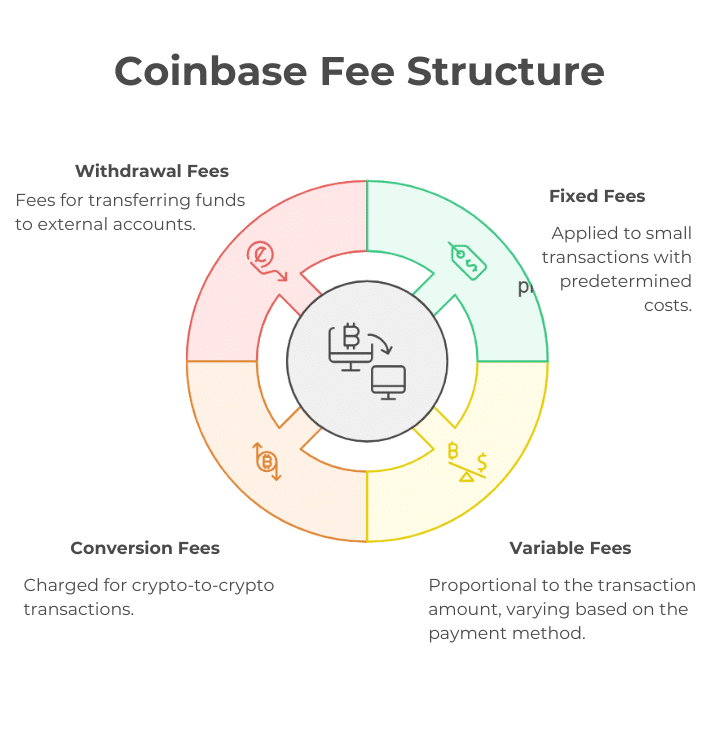
Beyond the exchange rate margin, providers typically charge fees either as a flat amount or as a percentage of the transaction. These fees vary widely among service providers and can depend heavily on the destination country and the sum being transferred.
For instance, established remittance companies such as Western Union and MoneyGram may levy fixed fees that apply regardless of the transferred amount, sometimes leading to higher overall charges for smaller transfers. Conversely, digital-first platforms like Revolut and Remitly often offer fee structures based on percentages, with cheaper rates for larger sums and occasional fee waivers above certain thresholds.
Choosing the right provider requires assessing both the fee structure and the exchange rate offered, which is why sophisticated comparison tools are invaluable. These tools weigh all costs, helping users identify when paying a slightly higher fee might actually result in better overall value due to superior exchange rates.
Unveiling Hidden Bank Charges: Correspondent and Receiving Fees
Even after selecting a transparent provider, many transfers face hidden bank charges that can erode the amount received. These charges often come from intermediary correspondent banks that facilitate the transfer chain, imposing unexplained fees deducted en route without clear notification to the sender or recipient.
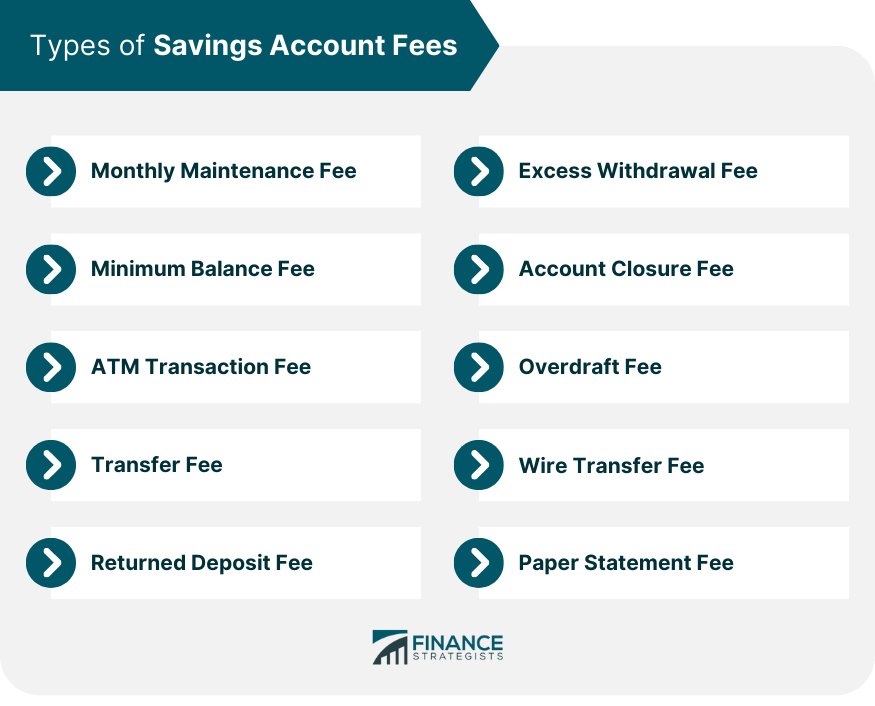
Additionally, the recipient’s bank may apply what is known as receiving or landing fees, which are not standardized and may be surprisingly substantial. In cases of erroneous recipient information such as incorrect BIC or SWIFT codes, banks frequently charge repair fees upwards of $30 to rectify details.
Returned funds fees add another layer of cost when transfers are rejected or recalled, sometimes exceeding $30 for the return process. These expenses highlight the importance of verifying transfer details and choosing providers that route funds through efficient banking networks to minimize such surcharges.
Digital-first transfer services, like PayPal and XE, often leverage partnerships that reduce or eliminate many intermediary charges, enhancing the amount ultimately received abroad.
Effective Strategies to Minimize Currency Exchange Fees
A range of practical steps can help users reduce fees and maximize the value of every transfer. Utilizing money transfer providers with transparent pricing and real mid-market rates is central. Services such as Revolut, TransferWise, and OFX offer competitive rates and minimal fees tailored to frequent and large transfers alike.
When withdrawing foreign currency, using local ATMs with debit or credit cards that impose no foreign transaction fees represents a cost-efficient method. However, customers should be cautious of potential ATM surcharges abroad, even with cards that waive conversion fees.
For those needing physical cash quickly, reputable currency exchange services like Travelex provide convenience but at a premium cost. The best approach remains planning ahead by ordering currency via local banks whenever possible, taking care to confirm rates and fees upfront.
Additionally, peer-to-peer platforms offer alternative exchanges with potential savings but require mutual trust and a keen understanding of exchange rates. For those interested in delving deeper into saving strategies and the latest in crypto-related exchange fees, resources such as Exchange Scout provide comprehensive guides and up-to-date analyses.