As the cryptocurrency landscape evolves in 2025, more than 96 million Americans now hold digital assets, reflecting the rapid mainstream adoption of this technology. This surge means that managing multiple crypto wallets has become more than just a convenience; it’s a crucial aspect of maintaining security and operational efficiency. Enthusiasts and investors often utilize various wallets such as Ledger hardware wallets for long-term storage, MetaMask for Ethereum-based transactions, and Trust Wallet for multi-chain accessibility. However, the proliferation of wallets also introduces challenges: How does one maintain security across numerous platforms? How can organization be streamlined without compromising access and flexibility? This guide delves into practical strategies and innovations for managing multiple wallets securely, ensuring your digital assets remain protected while maximizing functionality.
Key takeaways:
- Utilize different wallets based on specific use cases to enhance security and organization.
- Combine hot wallets like Exodus for daily trades with cold wallets such as Trezor to safeguard long-term holdings.
- Adopt robust security protocols including two-factor authentication and multi-signature wallets like Safe (Gnosis Safe).
- Use portfolio trackers and tools such as Bitwarden to consolidate wallet management and streamline access.
- Regularly back up seed phrases securely offline, avoiding digital storage vulnerabilities.
Enhancing Security and Flexibility Through Multiple Wallets
Relying on a single wallet to hold all your cryptocurrencies exposes you to substantial risk. A recent report highlighted that crypto hacks totaled approximately $1.8 billion in losses last year alone. Diversification by spreading assets across various wallets, such as maintaining savings in a cold wallet like Ledger or Trezor, while conducting daily trades through hot wallets like Exodus or Coinomi, significantly reduces vulnerability to breaches. This bifurcated approach mirrors diversifying an investment portfolio, limiting the damage if one wallet becomes compromised.
Moreover, assigning wallets distinct roles streamlines management. For instance, MetaMask is optimized for Ethereum and its tokens, whereas Trust Wallet offers broad compatibility with multiple blockchains, ensuring you can seamlessly interact with diverse digital ecosystems. A purposeful organization not only boosts operational clarity but also aids in financial reporting and compliance.

Balancing Hot and Cold Wallets for Optimal Management
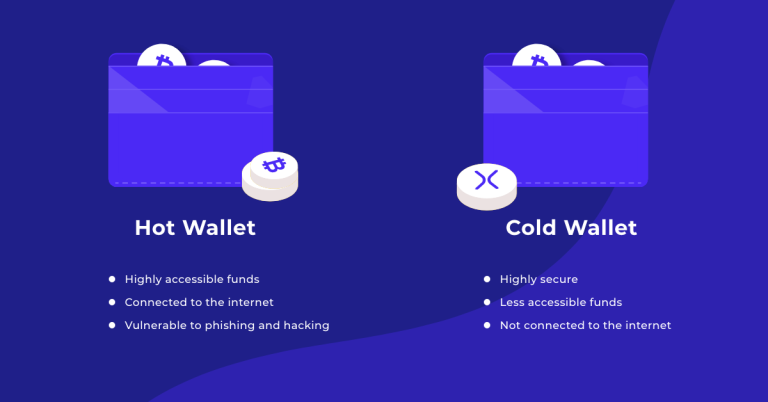
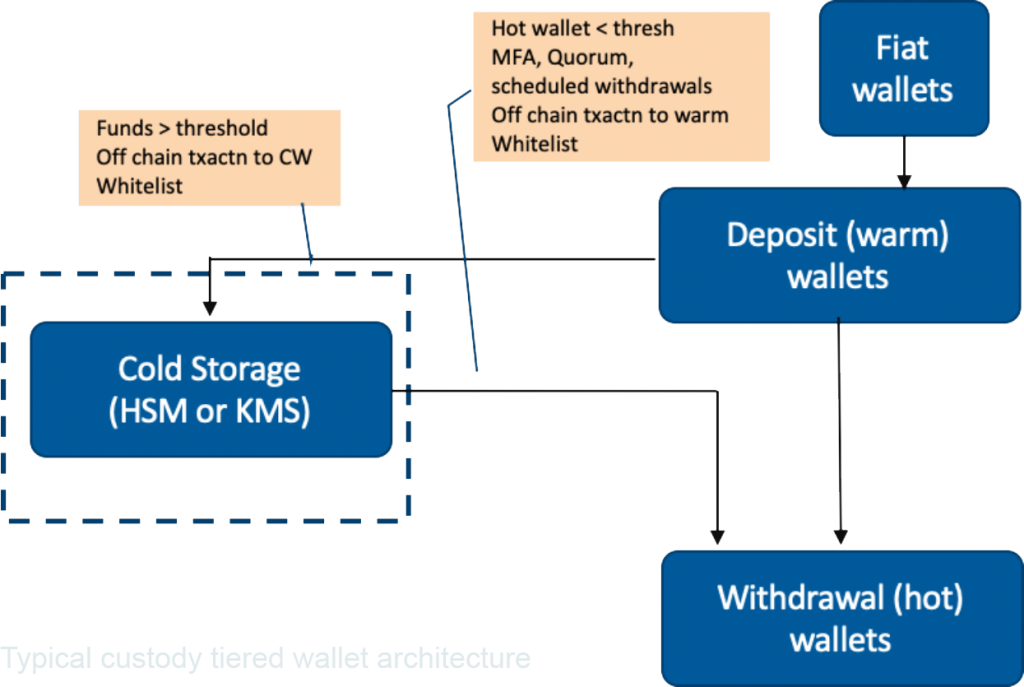
Hot wallets connected to the internet, such as Exodus and MetaMask, afford users fast and direct access to their crypto for trading or decentralized finance activities. However, these wallets carry heightened security risks. In contrast, cold wallets like Trezor remain offline, offering a fortress-like environment for safeguarding considerable holdings. Resources like this guide on hot versus cold wallets illustrate why incorporating both types is a smart security strategy in 2025.
Businesses and individual investors alike utilize this mix to balance convenience with protection. For example, a hot wallet enables quick payments, while cold wallets act as digital vaults for long-term assets. This hybrid approach mitigates hacking risks and addresses the needs of varying asset management goals.
Implementing Stringent Security Protocols Across Wallets
Securing numerous wallets demands rigorous protocols. Fundamental to this is safeguarding private keys and seed phrases — never store these digitally, but rather offline on materials resistant to degradation, such as a metal plate from tools like Crypto Steel. Experts advocate splitting backup locations to minimize risks of theft or loss, such as keeping one copy at home and another in a bank vault, as outlined in best practices for wallet backups.
Enabling two-factor authentication (2FA) on all applicable wallets, preferably via authentication apps rather than SMS, substantially reduces fraud risk. Multi-signature wallets like Safe (Gnosis Safe) add another layer by requiring multiple approvals for transactions, a feature particularly relevant for managing shared funds or business accounts. Comprehensive use of password managers such as Bitwarden facilitates secure and organized credential storage, minimizing human error.
Streamlining Wallet Monitoring and Backup Strategies
Regular monitoring of wallet activity is imperative. Platforms like Etherscan and Blockchair enable users to track transactions for suspicious behavior promptly. Coupled with portfolio trackers like Atomic Wallet and tools such as Enkrypt, managing multiple wallets becomes more efficient, providing unified asset overviews and easing tax preparation.
Backing up wallets after significant transactions and routinely testing restore processes ensures uninterrupted access. This vigilance protects investments from accidental loss while adapting to evolving threats.
Leveraging Tools and Software to Manage Wallet Portfolios Efficiently
Given the complexity of overseeing multiple wallets, digital solutions offer critical support. Crypto portfolio trackers including CoinStats and CoinLedger consolidate wallet balances and transaction histories, facilitating a bird’s-eye view and seamless tax reporting integration. Security tools like Bitwarden and hardware 2FA devices such as YubiKey complement wallet protection mechanisms.
Additionally, separating browser profiles for web wallets prevents cross-contamination of sessions, safeguarding private keys and access credentials. This practice, recommended by security professionals, serves as an effective measure against phishing and unauthorized account takeovers.
Strategically Limiting Wallet Numbers Without Sacrificing Control
Although it might seem beneficial to maintain many wallets, over-fragmentation can complicate management, increasing the risk of oversight or lost access. Experts advise maintaining between two to four wallets: one or two cold wallets for storage, accompanied by one to two hot wallets for operational purposes. This strategy reduces administrative overhead and minimizes fees incurred through multiple transfers, as explored in guides covering cryptocurrency transaction fees.
Adhering to reputable wallet providers, such as Ledger, MetaMask, and Trezor, also aids in maintaining security and reliability. Diligent users combine robust security protocols with disciplined portfolio management to thrive in the complex crypto ecosystem of 2025.