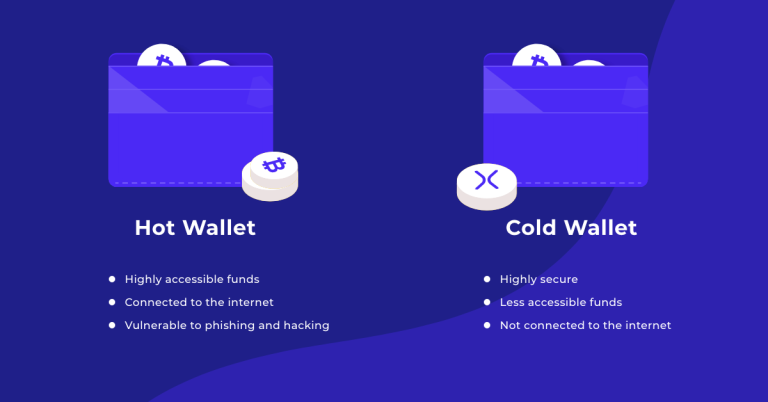

In the evolving landscape of cryptocurrency, losing access to your wallet is a critical concern for many users. Unlike conventional bank accounts, crypto wallets house private keys that grant control over substantial digital assets on blockchains such as Bitcoin and Ethereum. When access is lost, it does not necessarily mean the assets are gone, but the recovery process requires careful navigation.
Wallet security typically revolves around two main types: hardware wallets like Ledger and Trezor, and software wallets including MetaMask, Trust Wallet, and Coinbase. Each has distinct backup and recovery mechanisms, with seed phrases or recovery phrases playing a pivotal role. These seed phrases are crucial human-readable strings that enable users to restore wallet access on any compatible platform, such as Exodus or MyEtherWallet. However, losing these can complicate recovery significantly, risking permanent asset inaccessibility.
Understanding the Impact of Losing Your Crypto Wallet Access
When a wallet device is lost or stolen, the immediate fear is asset loss. Yet, with devices like Ledger, the actual crypto is secured on the blockchain, not on the device itself. The device merely contains the private keys needed to authorize transactions. Importantly, these keys are shielded by a PIN code that limits unauthorized users; three failed attempts result in data wiping to protect the funds.
If you have securely backed up your secret recovery phrase, you can regain control by restoring that phrase on a new device or compatible software wallet. This redundancy underscores the importance of proper backup strategies and secure phrase storage practices. Users are encouraged to study guidelines on best crypto wallet backup practices to safeguard against permanent losses.
How Secure Elements and PIN Codes Prevent Unauthorized Access
One notable security feature of hardware wallets such as Ledger and Trezor is their integration of Secure Element chips. These are designed to resist physical tampering and hacking attempts, ensuring that even if the device is in malicious hands, extraction of private keys is extremely difficult. Coupled with PIN protection, this technology forms a robust barrier, significantly mitigating risks associated with theft or loss.
This is a crucial differentiator compared to software-only wallets like MetaMask or SafePal, which are more vulnerable to online attacks unless paired with strong password strategies and two-factor authentication. Users must weigh convenience against security when choosing their preferred wallet type and consistently update their knowledge through resources like crypto wallet security guides.
Methods for Recovering Wallets without Access to Seed Phrases
Though seed phrases are the gold standard for wallet recovery, losing them is not synonymous with total loss. Some wallets and services offer mechanisms such as multi-signature approval, social recovery systems, or biometric authentication to regain access.
Multi-signature wallets require multiple approvals for a transaction, adding a layer of security and recovery potential. Platforms like BitGo specialize in such solutions, allowing more flexible access controls. Similarly, social recovery frameworks let trusted contacts assist in restoring wallet access if a user loses their credentials. Emerging technologies, including decentralized identity (DID) systems, promise even more resilient and user-friendly recovery options in the near future.
In urgent cases, professional wallet recovery services may be consulted, though their effectiveness varies and fees may be substantial. For practical tips on safely transferring assets or selecting reliable services, consult comprehensive resources like crypto wallet transfer guides to avoid scams and loss.
Best Practices to Prevent Permanent Loss of Access
Prevention remains the strongest strategy. Securely storing your seed phrase offline, utilizing hardware wallets for cold storage, and avoiding digital storage of sensitive keys drastically reduce risks. Employing multi-layered security—such as combining hardware wallets with trusted software like Blockchain.com or MyEtherWallet, and maintaining an additional backup device—ensures higher resilience against device loss.
Additionally, leveraging mobile wallets wisely can offer convenience but pose security trade-offs; users should investigate pros and cons through trusted evaluations such as those featuring mobile crypto wallets advantages and risks.
Many users have learned from stories like the 2013 incident of James Howells, who lost access to 8,000 BTC after discarding a hard drive containing his wallet keys, emphasizing the need for meticulous safeguard practices. Today in 2025, innovation continues to enhance recovery methods, reducing such risks for new adopters.