Withdrawing cryptocurrencies has become a common activity in today’s digital finance world, yet the question “how long do transfers take?” still baffles many users. The reality is that transfer times vary widely due to several technical and market factors. Unlike traditional banking systems, crypto transactions are governed by decentralized blockchain networks that process transactions in unique ways. Some transfers complete within minutes, while others can stretch to several hours or even longer when network congestion spikes. Understanding these dynamics not only helps users manage expectations but also guides them to optimize the timing and fees for their transactions.
Leading exchanges such as Coinbase, Binance, Kraken, Gemini, Bitfinex, KuCoin, Bitstamp, Crypto.com, Huobi, and OKX each follow distinct operational protocols. These differences in processing and network handling contribute significantly to withdrawal durations. The following sections explore these factors in depth and provide actionable insights to navigate the complexity of crypto withdrawals efficiently.
Key Factors Influencing Cryptocurrency Withdrawal Times
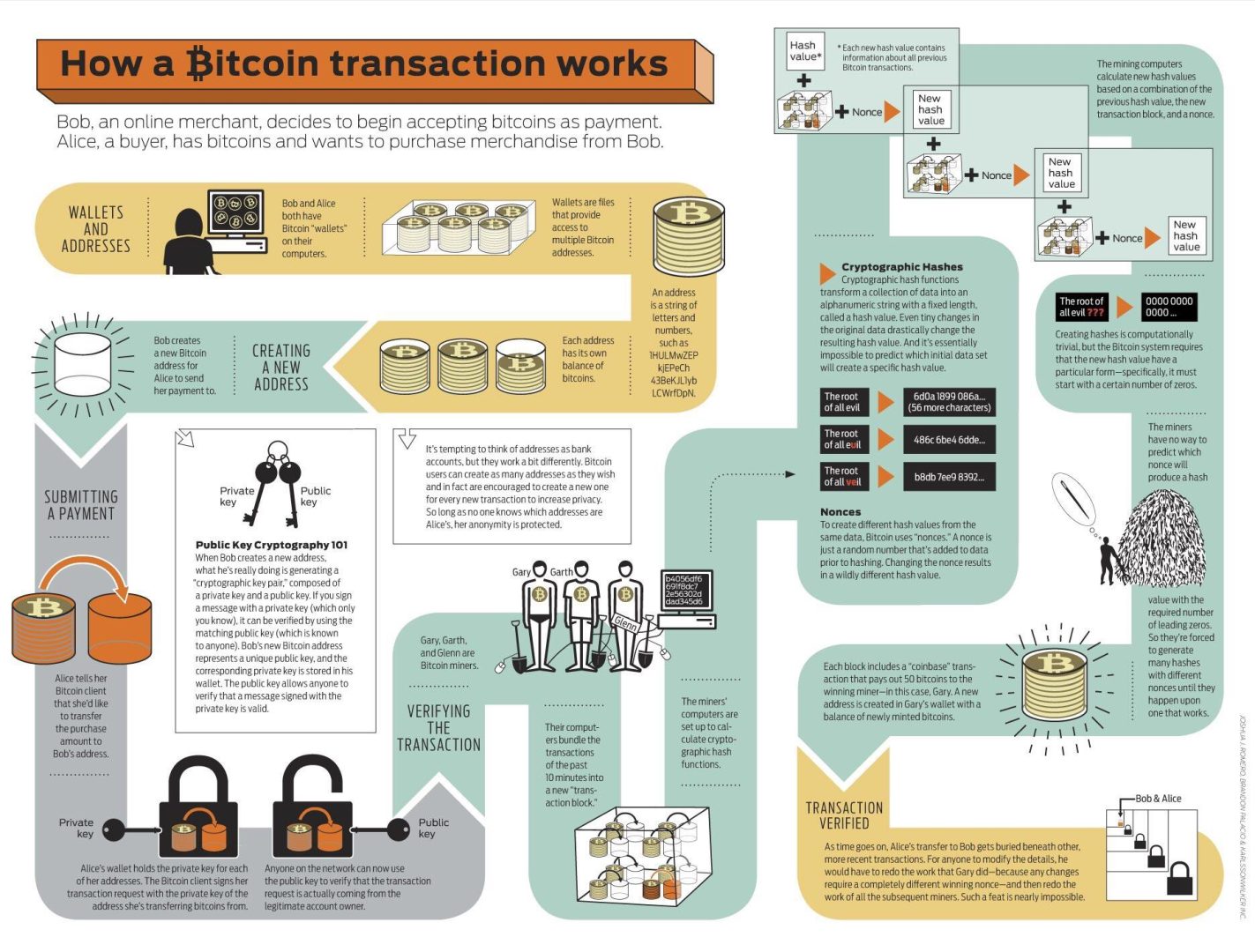
Cryptocurrency transfers depend primarily on blockchain technology, where each transaction is recorded on a distributed ledger by miners or validators. These participants confirm transactions in “blocks” at varying speeds depending on the specific blockchain protocol. For example, Bitcoin’s network typically produces a new block approximately every 10 minutes, but processing times may extend if the network is congested or if transaction fees are set too low.
Miners prioritize transactions with higher fees, analogous to passengers in a taxi queue during peak hours—those offering bigger tips board first. Low-fee transactions might remain unconfirmed for days, remaining stuck in the mempool (a virtual waiting room), or might be dropped entirely if fees are insufficient. This dynamic underscores why fee strategy is crucial for timely withdrawals.
Moreover, network congestion plays an outsized role. During periods of high demand, such as bull markets or major cryptocurrency events, the sheer volume of pending transactions can cause slowdowns, inflating fees and wait times considerably. Historical surges, like the 2021 bull run, saw transaction fees spike above $50 and confirmation delays of multiple hours.
How Transaction Size and Wallet Type Affect Transfer Duration
Transaction size, measured in bytes, can impact transfer times more than the actual value of cryptocurrency sent. Combining many small inputs into a single transaction creates a larger data size, which requires more computational resources to validate. This is akin to paying your coffee with many small coins instead of a single bill—more complex and time-consuming to process.
Using modern wallets with SegWit addresses (starting with “3” or “bc1”) can reduce transaction size and fees. Many older wallets still use legacy addresses (“1”), costing more and slowing the process. Choosing a wallet that supports SegWit is a simple yet effective way to improve withdrawal efficiency across various exchanges like KuCoin and Crypto.com.
Optimizing Withdrawal Speed: Fees, Timing, and Tools
Managing withdrawal speed effectively boils down to three elements: paying appropriate fees, timing your transactions, and using the right tools. To avoid unnecessary delays, pay a fee that matches current network demand. Dynamic fee estimators built into most wallets help select the optimal amount, but users can also check sites like mempool.space to assess real-time network congestion and fee trends.
Timing withdrawals during off-peak periods—such as weekends or late nights in major financial hubs—can substantially reduce wait times and costs. This strategy is especially relevant for traders using platforms like Kraken or Binance, who want to optimize trading efficiency.
When transfers get stuck due to insufficient fees, advanced options exist. Replace-by-Fee (RBF) allows resubmitting the transaction with a higher fee if enabled from the start. Child Pays for Parent (CPFP) is a technique where a new transaction with a higher fee incentivizes miners to process both outstanding transactions. While these approaches require compatible wallets, they can save users from frustrating delays on exchanges like Gemini and Bitfinex.
Alternative Transfer Methods for Faster Withdrawals
Off-chain transactions, such as those used within exchange platforms or payment channels like the Lightning Network for Bitcoin, can provide near-instant transfers. These systems reduce blockchain load by handling transactions off the main network and settling balances later. However, they require both sender and recipient to support the technology, which not every exchange or wallet currently offers.
Exchanges like Coinbase and OKX also use batch processing to save on fees, which can slightly delay individual withdrawals but reduce overall costs.
The Balance Between Security and Withdrawal Speed
Though speeding up transfers is desirable, security should not be compromised. For significant amounts, waiting for multiple confirmations (typically 3 to 6) ensures that transactions are irreversible and protected against double-spending attacks. Rushing to accept unconfirmed transactions can expose users to financial loss or fraud, especially in the volatile 2025 crypto landscape.
Reliable tracking tools like mempool.space, Blockchain.com, and Blockstream.info provide real-time visibility into transaction status and network conditions. Utilizing such explorers alongside exchange-provided tracking enhances transparency and confidence throughout the withdrawal process.