Choosing the right platform for trading altcoins remains a pivotal decision for both new and seasoned investors in the rapidly evolving cryptocurrency space. The market in 2025 teems with hundreds of exchanges, each boasting claims of low fees, fast transaction speeds, and extensive coin selections. Yet, amid this crowded marketplace, selecting a platform that balances security, diversity, liquidity, and user experience becomes essential to optimize trading outcomes and safeguard assets.
Advanced investors often lean towards exchanges offering a wide variety of altcoins coupled with competitive trading fees and robust security measures. For beginners, ease of use and strong customer support can be the deciding factors. Moreover, the capacity to purchase altcoins with fiat currency directly on the platform opens accessibility for many users new to crypto. This nuanced environment demands a closer look at the top exchanges that align with these criteria, reflecting current trends and innovations up to 2025.
Among these, platforms like Binance and KuCoin stand out for their extensive altcoin listings and powerful trading features. Others, such as Coinbase and Gemini, emphasize regulatory compliance and user-friendly interfaces tailored to the U.S. market. Exchanges like Bitfinex, Bybit, and Gate.io cater to more advanced traders with tools for derivatives and margin trading. Meanwhile, security-focused offerings from Kraken and Huobi highlight insurance funds and cold storage custody. Selecting the appropriate exchange hinges on aligning these multifaceted factors with individual trading goals.
In brief:
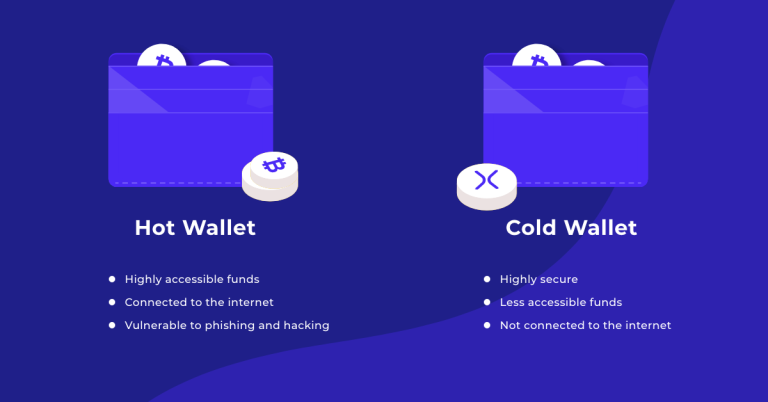
- Security remains the paramount concern, with cold storage and two-factor authentication standard among trustworthy exchanges.
- A broad selection of altcoins enables diversified portfolios, with leading platforms offering anywhere from 250 to over 3,800 cryptos.
- Trading fees vary widely; platforms like MEXC promote near-zero maker fees, attracting high-frequency traders.
- Liquidity and trading volume impact transaction efficiency and price stability—Binance consistently leads with volumes exceeding $20 billion daily.
- User experience, including intuitive interfaces and mobile app availability, significantly affects both novice and experienced traders.
Key factors for selecting the best altcoin exchange in 2025
When navigating the diverse landscape of altcoin exchanges, traders should prioritize several crucial aspects. Foremost is security, where platforms deploying multi-layer authentication, segregated cold wallets, and comprehensive insurance funds stand out. For example, exchanges like Bitfinex and Kraken offer deep liquidity backed by rigorous asset protection strategies, setting industry benchmarks. In 2025, regulatory frameworks within regions like the European Union and North America push exchanges such as Coinbase and Gemini to maintain strict compliance, enhancing trust for global users.
The range of supported altcoins is another deciding factor. Exchanges like Gate.io provide remarkable depth with over 3,800 assets, ideal for discovering emerging tokens. Conversely, platforms like Binance and KuCoin balance variety with robust liquidity, ensuring smoother trading experiences across hundreds of popular altcoins.
Equally important are the transaction costs, including maker and taker fees. Low fees incentivize frequent trading and better profitability; as detailed in our guide on how to reduce trading fees effectively, traders can harness fee discounts by utilizing native tokens of exchanges or opting for volume-based rebates.
The user interface and overall experience also influence exchange choice. Exchanges offering well-designed desktop platforms alongside mobile apps facilitate seamless trading on the go. Those integrating educational resources assist newcomers to better understand the altcoin ecosystem. For insights on managing crypto assets with mobile wallets, consult our overview on mobile crypto wallets pros and cons.
The role of liquidity and trading volume in altcoin exchanges
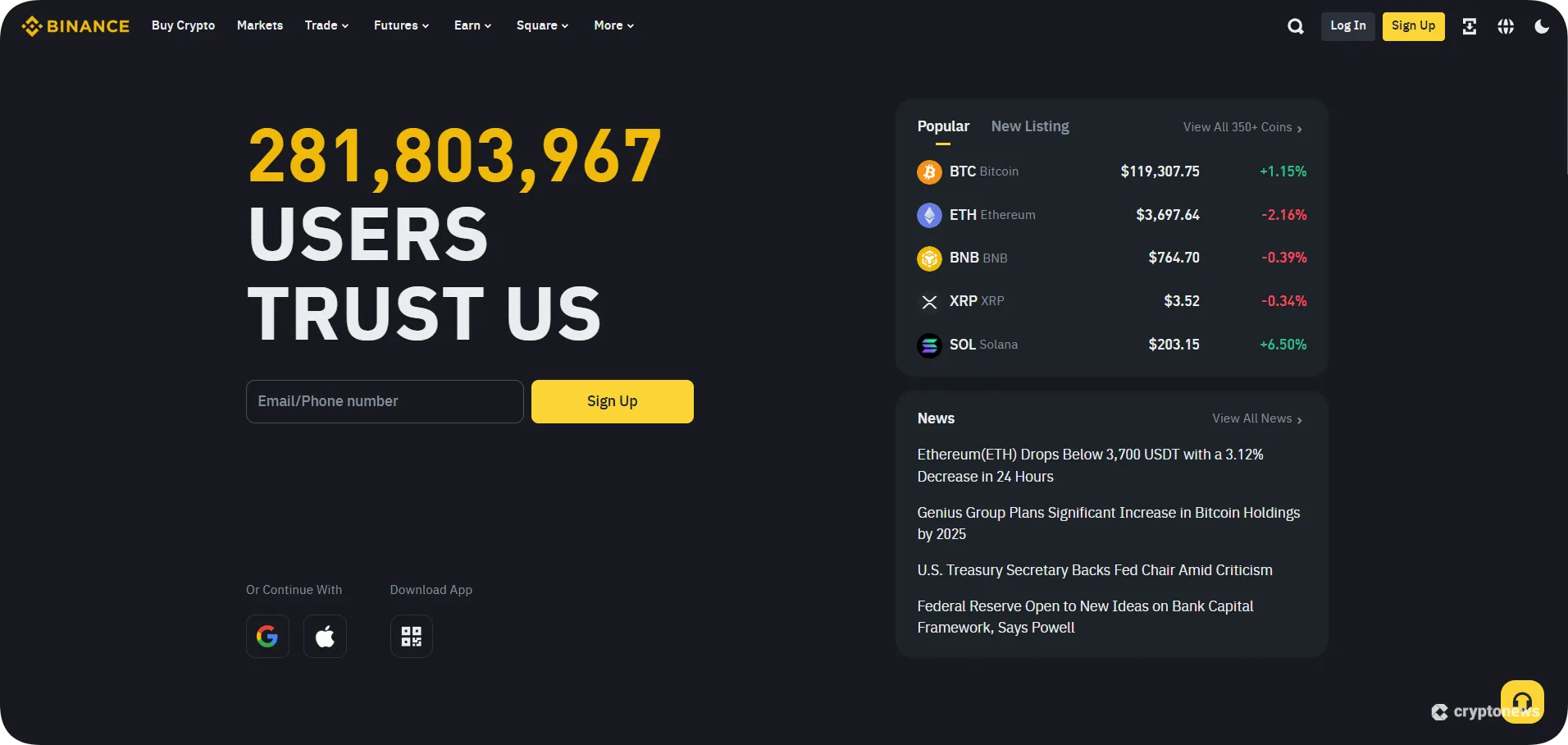
Liquidity acts as the lifeblood of an exchange, determining how quickly and at what price altcoins can be bought or sold. Platforms such as Binance and Bybit consistently report daily volumes soaring above $10 billion, minimizing slippage and enabling large transactions without significant market impact. In contrast, lower-volume exchanges might struggle to execute sizable trades promptly, risking unfavorable price movements.
Moreover, high liquidity fosters competitive bid-ask spreads, which reduce costs for traders. The presence of deep order books on exchanges like KuCoin and Gate.io offers advantages for both day traders and long-term investors seeking efficient entry and exit points. Consequently, volume metrics should be a key consideration when choosing the ideal venue for altcoin trading.
How regulatory compliance shapes exchange preferences
As global regulatory scrutiny intensifies, compliant exchanges gain legitimacy and user confidence. Platforms such as Coinbase and Gemini implement stringent KYC (Know Your Customer) and AML (Anti-Money Laundering) procedures, aligning with financial authorities from the United States to Europe. This compliance mitigates risks associated with illicit activities and enhances the safety of user funds. Conversely, certain platforms like MEXC have earned attention for offering no-KYC trading options but face restrictions in some jurisdictions, affecting accessibility.
Regulatory adherence also benefits traders by ensuring operational transparency and reducing the likelihood of abrupt service interruptions. When selecting an exchange, understanding its regulatory standing is as crucial as assessing trading features to ensure a sustainable and secure trading environment.