
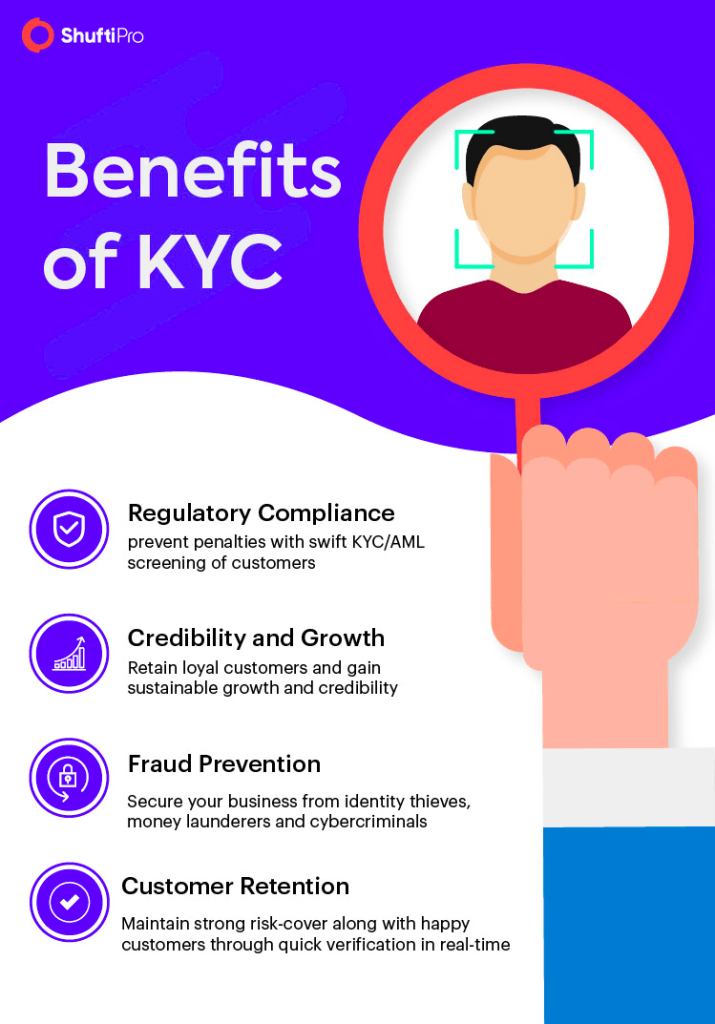
KYC (Know Your Customer) processes have become indispensable in the financial landscape, becoming a cornerstone in the fight against financial crime while simultaneously enhancing operational efficiency for institutions worldwide. As of 2025, the importance of understanding KYC limits and benefits cannot be overstated, especially amid evolving regulatory frameworks and technological innovations.
At its core, KYC aims to verify customer identities, assess risks, and ensure compliance with stringent regulations designed to combat money laundering, terrorism financing, and fraud. Institutions leveraging services like Trulioo and Jumio have transformed these tasks by incorporating robust digital verification methods. This has streamlined customer onboarding, reduced compliance costs, and bolstered trust in financial systems globally.
Yet, understanding KYC extends beyond compliance: it cultivates safer markets, protects reputations, and underpins sustainable business relationships. As financial entities, from banks to cryptocurrency exchanges, grapple with balancing customer experience and regulatory demands, insights into KYC’s operational boundaries and advantages become imperative for strategic and compliant growth.
- KYC is legally mandated across major jurisdictions to prevent financial crimes and protect institutional integrity.
- The process incorporates Customer Identification Program (CIP), Customer Due Diligence (CDD), and Enhanced Due Diligence (EDD) to tailor risk assessments accurately.
- Digital transformation—via eKYC and biometric authentication through platforms like Onfido and IDnow—enhances compliance, efficiency, and customer satisfaction simultaneously.
- Non-compliance carries severe penalties and reputational risks, making rigorous KYC implementation vital.
- KYC’s applicability spans sectors including traditional banking, investment, and decentralized finance, with each adapting the process according to unique regulatory and operational demands.
Understanding KYC Requirements and Regulations in 2025
Financial institutions continue to operate under strict guidelines influenced by global authorities like the Financial Action Task Force (FATF), whose standards guide frameworks worldwide. National laws, such as the USA PATRIOT Act, the UK’s Money Laundering Regulations 2017, and the European Union’s 6th Anti-Money Laundering Directive (6AMLD), implement these directives by mandating stringent verification and monitoring measures.
The Customer Identification Program (CIP) serves as the first verification barrier, requiring collection of key data points—name, date of birth, address, and identification number. Verification processes compare provided documents such as government-issued IDs and proof of address to mitigate fraud risk.
Cryptocurrency platforms have increasingly adopted CIP despite challenges posed by pseudonymity. Regulatory bodies like FinCEN have signaled stringent KYC enforcement, indicative of the expanding regulatory perimeter influencing this sector’s compliance landscape.
Customer Due Diligence and Enhanced Due Diligence in Practice
Moving beyond identification, Customer Due Diligence (CDD) assesses ongoing customer behavior and financial risk profiles. Modern AI-driven analytical tools, including those offered by ComplyAdvantage and LexisNexis Risk Solutions, enable institutions to detect anomalies and ensure compliance efficiently.
For high-risk profiles, Enhanced Due Diligence (EDD) applies rigorous scrutiny, including closer transaction monitoring and deeper investigation into customer backgrounds, particularly politically exposed persons (PEPs). This nuanced approach allows financial entities to allocate resources effectively and respond dynamically to emerging threats.
How Digital Transformation Is Revolutionizing KYC Compliance
In 2025, the integration of cutting-edge technologies has redefined KYC processes. eKYC initiatives exploit secure digital channels for identity verification, drastically reducing onboarding time and operational friction. Biometric authentication, featuring facial recognition and fingerprint scanning, has been adopted widely by compliance platforms such as Shufti Pro and Sumsub.
This digital shift not only strengthens fraud prevention but also elevates customer experiences by providing seamless, nearly instantaneous verifications. While adoption poses challenges—like ensuring data privacy and integrating legacy systems—the benefits of real-time identity validation have cemented digital KYC as a critical strategic asset.
Future Outlook: Balancing Compliance and User Experience
Financial institutions are increasingly embedding risk-based approaches to customize KYC workflows aligned with individual customer threat profiles. Leveraging advanced analytics and continual improvement in regulatory technology enables a dynamic equilibrium where compliance is harmonized with minimal disruption to the user journey.
Partnerships with specialized vendors providing AI-powered identity verification, such as GBG and Socure, reinforce this trend. By automating routine checks and focusing human expertise on complex cases, institutions enhance both security and operational efficiency.