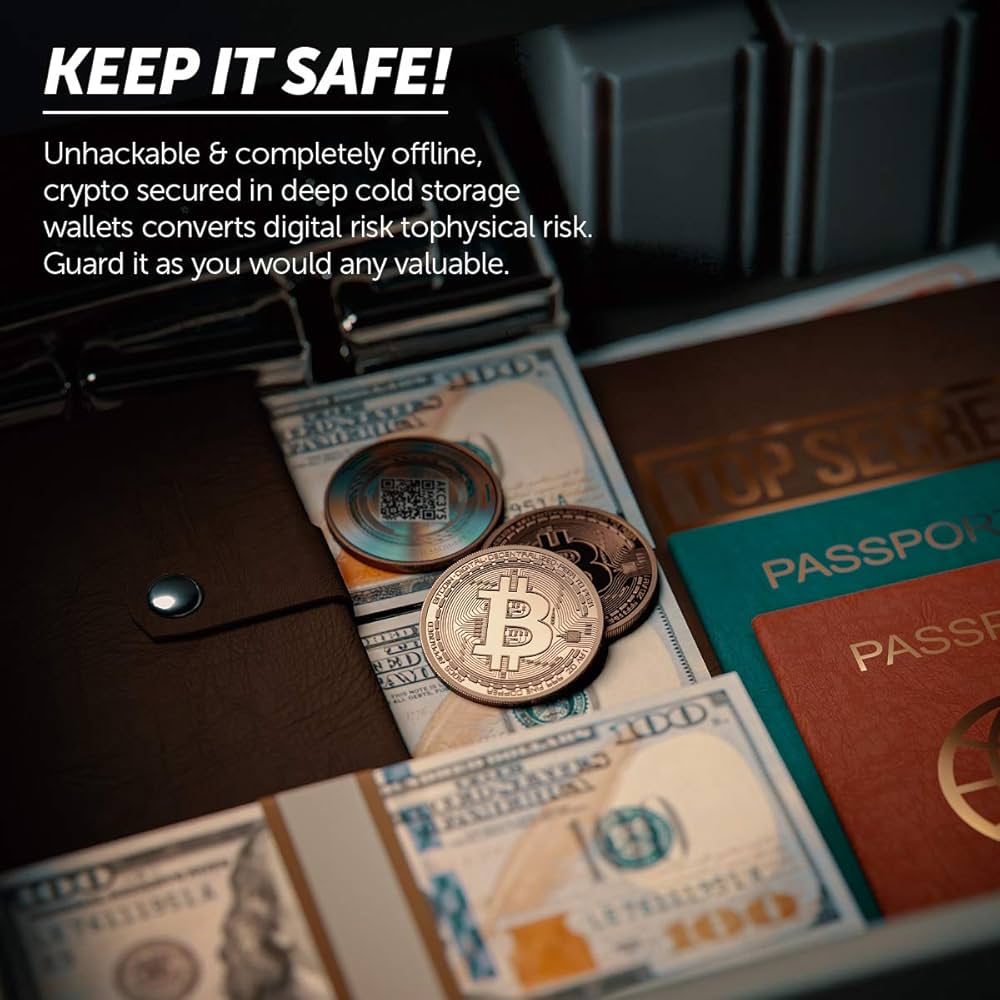
In an era dominated by digital finance, securing your Bitcoin offline has become essential for safeguarding your assets against increasing cyber threats. Bitcoin, often hailed as digital gold, necessitates a custody approach akin to physical valuables stored in vaults. Relying on exchanges or custodial platforms exposes holders to risks such as hacks, fraud, and regulatory interventions. Cold storage, a method that keeps private keys entirely offline, emerges as the premier strategy in 2025 for self-sovereign Bitcoin ownership. It offers protection from online vulnerabilities, mitigates risks linked to third-party custodians, and aligns with Bitcoin’s foundational ethos of individual control over one’s financial assets.
Cold storage is not just a security precaution; it fundamentally changes how one interacts with their Bitcoin holdings. By transferring coins from exchanges to hardware wallets or multi-signature systems, owners gain exclusive control over their private keys, ensuring that access or loss is strictly within their purview. Solutions like Bitkey, which integrates multisig technology to divide keys among hardware, mobile, and cloud components, exemplify modern advancements making cold storage both secure and user-friendly. This guide navigates the nuances of cold storage, highlighting the types of wallets, the advantages and challenges, and best practices for maintaining Bitcoin safely offline.
Understanding Bitcoin Cold Storage: What It Means to Own Your Keys
Bitcoin cold storage entails securing your private keys offline, distancing them from internet connectivity to minimize exposure to hacking or phishing attempts. This offline custody empowers owners with the ability to sign transactions without risking their keys being intercepted or stolen online. Controlling private keys equates to controlling Bitcoin, for without these keys, coins remain inaccessible. Cold storage methods vary from single-signature to advanced multisig setups, each presenting a balance between ease of use and security resilience.
Cold Storage Versus Hot Wallets: Balancing Security and Accessibility
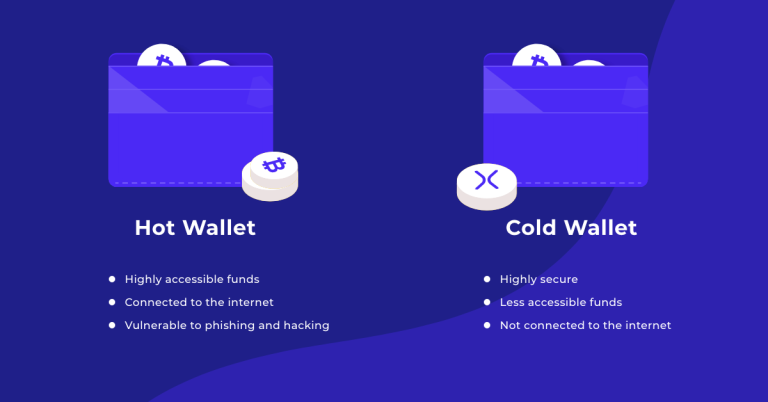
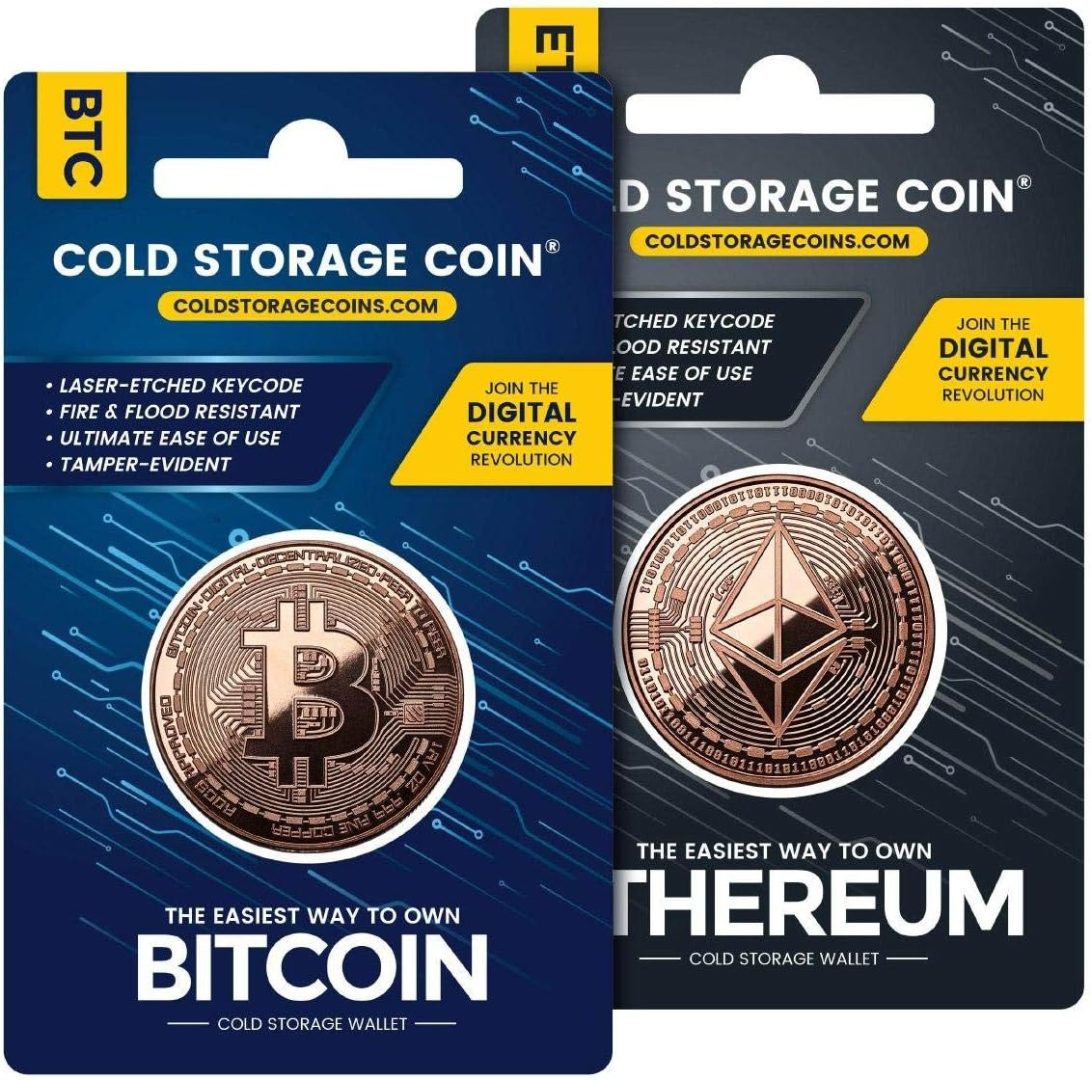
Hot wallets, such as mobile apps or exchange custodial wallets, provide the convenience of rapid access and frequent use but remain perpetually connected to the internet, making them vulnerable to cyberattacks. In contrast, cold storage solutions like hardware wallets (Ledger, Trezor, BitBox, Coldcard, KeepKey, and SafePal) or multi-signature configurations offer robust defense by keeping private keys offline, thereby significantly reducing risk. In 2025, an increasing number of users transition to cold wallets as their Bitcoin holdings grow, prioritizing security and autonomy.
Choosing the Right Cold Storage for Your Bitcoin: Hardware Wallets and Beyond
Hardware wallets remain the gold standard for cold storage, thanks to their built-in secure chips that isolate private keys and enable offline transaction signing. Notable models like Ledger, Trezor, and Coldcard cater to various security preferences and budget considerations. Multi-signature systems, such as Bitkey, divide control among multiple devices and cloud backups, eliminating single points of failure and simplifying recovery. While traditional paper wallets are less favored due to vulnerability to physical damage and complexity, resilient steel backup solutions like Billfodl, CryoBit, and SteelWallet provide durable seed phrase storage to safeguard recovery information.
Setting Up Your Hardware Wallet: A Step-by-Step Process
Securing Bitcoin offline begins with acquiring a reputable hardware wallet from verified sources. After initializing the device, users generate private keys and corresponding recovery seed phrases. These seeds should be backed up securely using robust methods like engraved SteelWallets rather than digital or fragile paper copies. Proper pairing with companion software enables transaction signing without exposing keys to connected devices. Users must then configure security settings, such as PINs and biometric verification, to strengthen protection.
Maintaining Security Hygiene: Best Practices for Offline Bitcoin Storage
Cold storage demands meticulous backup strategies and physical security measures. Storing seed phrases separately from hardware wallets, ideally in fireproof and waterproof containers, mitigates risks associated with loss or damage. Geographic diversification of backups adds an extra layer of defense. Regular verification through small test transactions ensures restoration protocols are functional. Cold wallets inherently resist malware, but users should remain vigilant against social engineering and phishing, especially when interacting with mobile apps or cloud backup services. Tools like Bitkey simplify multi-signature management, lowering operational complexity while enhancing security.
Safeguarding Your Bitcoin Legacy: Advanced Tips and Tools for Cold Storage
As Bitcoin often represents a long-term or intergenerational asset, planning for inheritance is critical. Incorporating trusted contacts in multi-signature schemes, as Bitkey does, allows seamless transfer of funds in unforeseen events. Secured cloud backups complement hardware wallets without compromising privacy, provided encryption and access controls are stringent. Embracing these modern cold storage innovations alongside traditional methods creates a resilient fortress for digital wealth.
For those beginning their journey, consulting resources on secure cryptocurrency wallets and prudent withdrawal techniques can bridge knowledge gaps. Understanding the strategies behind purchasing and protecting Bitcoin, as outlined on platforms covering buying bitcoin strategies and methods for safe Bitcoin acquisition, complements offline storage practices. Familiarity with withdrawal mechanisms, as detailed in guides on crypto fund withdrawals, ensures responsible management of Bitcoin transfers from online repositories to cold storage. To strengthen your defenses further, exploring advanced wallet security and cold storage techniques offers invaluable insights to optimize Bitcoin safeguarding in 2025.