In the evolving landscape of cryptocurrency in 2025, the quest for privacy in purchasing Bitcoin has become a significant concern for many investors and enthusiasts. While Bitcoin transactions are inherently traceable through blockchain technology, the desire to maintain anonymity during acquisition persists, spurred by concerns over personal security, data exposure, and regulatory scrutiny. The methods chosen to buy Bitcoin privately vary widely, with peer-to-peer (P2P) markets offering an alternative to traditional centralized exchanges that require identity verification through Know Your Customer (KYC) processes. As regulations tighten, savvy users increasingly turn to decentralized platforms or cash-based transactions to protect their identities. This dynamic creates important considerations about the balance between privacy, convenience, and safety when acquiring Bitcoin today.
En bref : Buying Bitcoin anonymously in 2025 involves trade-offs between privacy, security, and regulatory compliance. While centralized exchanges like Coinbase, Kraken, or Bitstamp offer user-friendly experiences with KYC, P2P platforms such as Bisq, HodlHodl, and legacy favorites like LocalBitcoins or Paxful enable higher privacy levels through decentralized and escrow-protected trades. Bitcoin ATMs and gift card swaps also present alternative strategies with varying anonymity. Each method carries unique risks and requires careful attention to transactional security and regulatory context. For those prioritizing discretion, integrating secure wallets and understanding platform fees and protections is essential for a successful private Bitcoin purchase.
Understanding the Limits of Anonymity When Buying Bitcoin in 2025
Bitcoin’s underlying technology offers transparency but not true anonymity, since every transaction is permanently recorded on the blockchain. This public ledger enables anyone with analytical tools to trace Bitcoin transfers from wallet to wallet. Therefore, “buying Bitcoin anonymously” generally refers to decoupling one’s personal identity from the transaction, rather than perfect invisibility. Centralized exchanges such as Binance or Coinbase impose strict KYC and anti-money laundering rules, thereby linking real-world identity to Bitcoin ownership.
For investors aiming to keep their purchase history discreet, the preferred paths circumvent these regulatory checkpoints through peer-to-peer marketplaces or cash-based exchanges. However, even these options have caveats tied to local laws and transaction thresholds. A disciplined privacy strategy requires integrating secure wallets, ideally non-custodial ones free from identity data, which can be further reinforced by understanding the nuances of crypto transaction security.
Comparative Privacy Among Bitcoin Purchase Methods
Different purchase methods offer varying privacy levels:
- Centralized Exchanges (e.g., Kraken, Coinbase): Require comprehensive KYC, making privacy minimal.
- Peer-to-Peer Platforms (e.g., Bisq, HodlHodl): No mandatory ID and escrow systems enhance buyer protection and privacy.
- Bitcoin ATMs: Some allow cash purchases anonymously but usually impose limits and occasionally require ID.
- Decentralized Exchanges (DEX): Generally do not require KYC but have medium privacy levels as wallet addresses may still be traced.
Choosing the most appropriate method depends on balancing privacy needs with regulatory compliance and security.
How P2P Exchanges Facilitate Private Bitcoin Buying
Peer-to-peer exchanges connect buyers and sellers directly, often using escrow accounts to ensure trust. Platforms like Bisq stand out by being fully decentralized and open source, providing high privacy without the need for personal identification. HodlHodl offers escrow-based trades that further protect participants, while historic platforms like LocalBitcoins and Paxful continue to serve regional markets with numerous payment options.
The buyer selects a seller based on trade preferences—pricing, payment method, and trade history. Once a deal is agreed upon, the cryptocurrency is held in escrow by the platform until payment confirmation. This method offers substantial privacy gains over centralized exchanges without sacrificing transactional security.
Choosing P2P platforms also means grappling with various aspects of usability and fees. For instance, Bisq charges between 0.2% and 0.4% in fees and integrates privacy-enhancing technologies such as Tor networks and multisignature escrow. Meanwhile, HodlHodl is known for its ease of use coupled with about 0.6% fees, while platforms like LocalBitcoins may have fluctuating fee structures.
Understanding related considerations such as cryptocurrency exchange fees and security precautions can greatly improve the experience and safety of P2P Bitcoin acquisition.
Cash and Offline Methods for Enhanced Privacy
Besides P2P trading platforms, using Bitcoin ATMs with cash payments remains a popular option for users seeking to avoid digital footprints. While many Bitcoin ATMs now require identity verification for large amounts, smaller transactions often do not, preserving buyer anonymity to some extent. Additionally, face-to-face trades at meetup events or trading BTC in exchange for gift cards enable users to maintain privacy while minimizing reliance on digital intermediaries.
Each of these approaches requires caution, however, as they introduce risk factors including potential scams and personal safety concerns. Detailed knowledge of how to conduct safe crypto transactions offline or through P2P channels is critical.
Examining Top P2P Exchanges for Privacy-Conscious Buyers
Seven prominent P2P exchanges provide varied approaches for private Bitcoin trading:
Best Wallet integrates a non-custodial wallet with over 100 payment methods, allowing anonymous fiat payments without mandatory KYC, supporting transactions often completed in under five minutes.
MEXC offers competitive rates for small quantities using 25+ local currencies but limits its P2P crypto offerings to BTC, ETH, USDT, and USDC.
OKX enables P2P trades with an astounding 900+ payment options and over 100 fiat currencies, though it requires KYC on sellers for added security.
Binance‘s P2P platform stands out for deep liquidity and the ability to process large trades efficiently, but it enforces KYC for all users.
Bybit extends the P2P model into futures trading with leverage up to 200x, supporting multiple payment methods with incentives on select trades.
BingX focuses solely on USDT trades, offering quick P2P fiat deposits through 300+ payment methods and favorable rates.
KuCoin emphasizes safety, verified sellers, and a public rating system to help buyers find reliable merchants. While it supports fewer fiat currencies, KuCoin does not charge additional P2P fees.
Integrating the strengths of these platforms depends on specific user needs—whether it be anonymity levels, currency availability, trade size, or preferred payment methods. Prospective buyers benefit from reviewing detailed platform features and security policies found on resources like Exchange Scout.
Security and Risk Management in Private Bitcoin Purchases
Although P2P and cash-based methods increase privacy, they also heighten exposure to scams, fraud, and unreliable counterparties. Escrow services mitigate these risks but do not eliminate them entirely. Establishing trust through seller ratings and avoiding risky payment methods such as Western Union or MoneyGram transfers is crucial.
Moreover, regulations continue to evolve globally, with some jurisdictions intensifying monitoring of anonymous crypto activity. Investors should stay informed about local laws, potential legal implications, and proper tax reporting—which can be accessed comprehensively at Exchange Scout’s crypto tax guide.
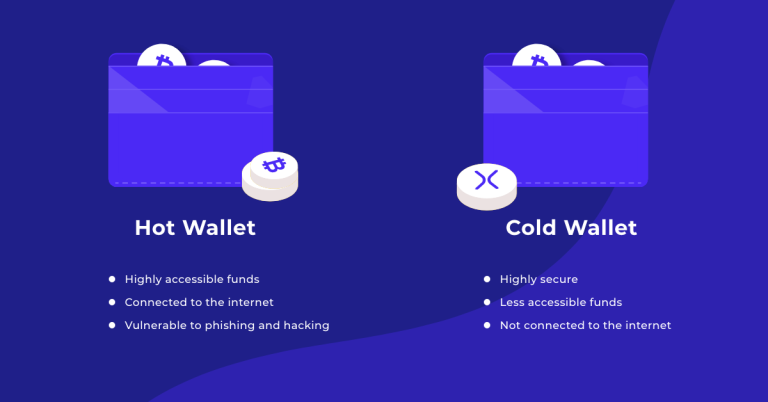
Ultimately, using secure, non-custodial wallets like those detailed here allows for safer storage of Bitcoin post-purchase, further protecting user privacy throughout their crypto journey.