
The world of cryptocurrency exchanges has evolved dramatically, balancing between regulatory compliance and user privacy. Non-KYC exchanges lure traders with promises of rapid registration and complete anonymity, bypassing the extensive verification processes typical of platforms such as Binance, Coinbase, and Kraken. However, this ease of access conceals substantial risks. While these platforms provide anonymity and faster transactions, they expose users to increased threats ranging from fraud and scams to security vulnerabilities and potential regulatory crackdowns. As the regulatory environment tightens globally, non-KYC exchanges become high-risk zones, where users may lose legal protections and face limited recourse in case of disputes or losses. Understanding these dynamics is crucial for any trader navigating the crypto market in 2025.
In brief: Non-KYC exchanges attract users seeking privacy and fast onboarding, often supporting a wider range of cryptocurrencies without extensive regulatory hurdles. However, they also carry significant dangers, including vulnerability to hacking, market manipulation, and legal uncertainties. Traders must exercise caution by selecting reputable platforms, enabling security measures like two-factor authentication, and managing funds responsibly to mitigate these risks.
Understanding the Risks of Trading Without KYC on Crypto Exchanges
The concept of Know Your Customer (KYC) verification is central to maintaining security and regulatory compliance in the cryptocurrency industry. Exchanges like Gemini, Bitstamp, Huobi, and OKX mandate identity verification processes, including submission of passports or utility bills, to detect and prevent illicit activities and comply with anti-money laundering (AML) regulations. In contrast, non-KYC exchanges waive these requirements, allowing users to trade anonymously by registering with minimal information, often just an email address.
While this model supports privacy and ease of access, especially in jurisdictions with restrictive crypto regulations, it simultaneously increases exposure to serious risks. The absence of personal data collection means these platforms are more susceptible to abuse by bad actors engaged in fraud or money laundering. Moreover, without regulatory oversight, they face higher chances of abrupt shutdowns or legal actions that could leave users stranded without access to their assets.
The Operational Challenges and Security Vulnerabilities
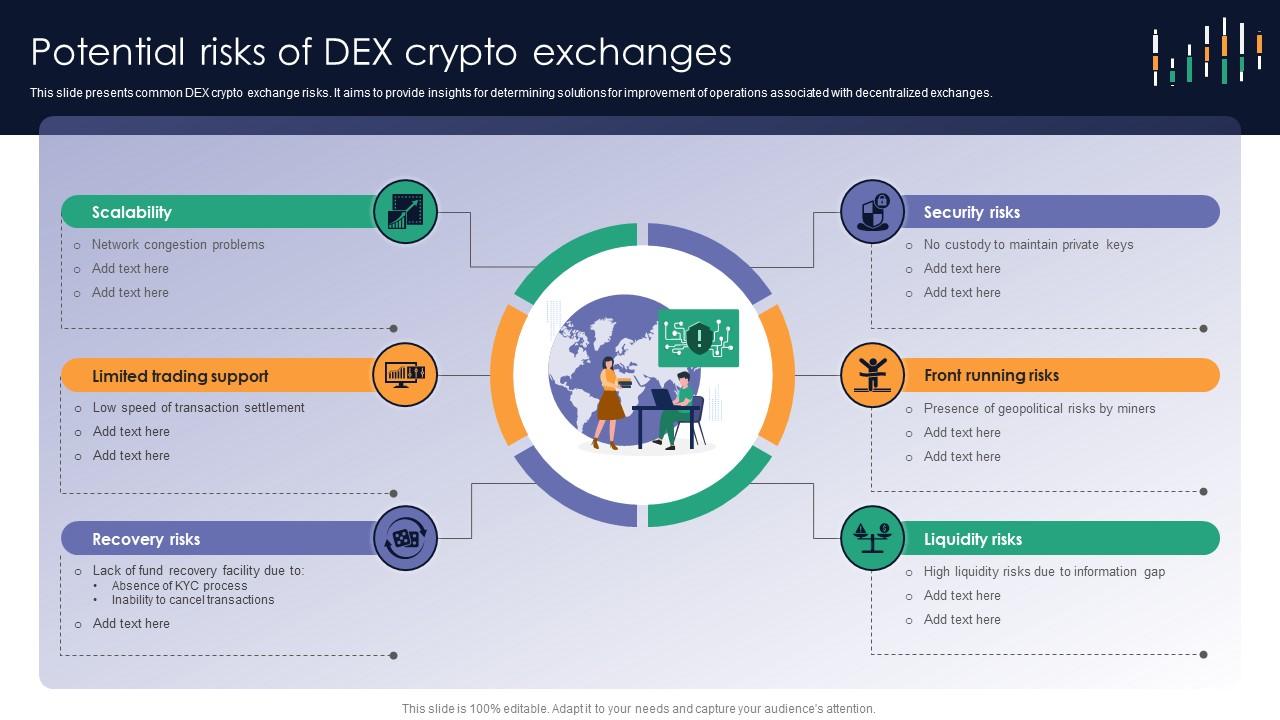
Non-KYC exchanges often struggle with ensuring robust security due to less stringent controls. This vulnerability is highlighted by incidents such as the 2020 Bisq hack, where attackers exploited weaknesses in the decentralized platform to siphon over $250,000 in Bitcoin and Monero. The ability to trade without verification enables hackers to operate anonymously, complicating traceability and recovery efforts.
Additionally, these platforms tend to have lower liquidity compared to regulated exchanges like Crypto.com or Bitfinex, resulting in increased slippage and potential market manipulation. The lack of centralized control also means fewer safeguards against unfair practices, thereby exposing traders to unstable market conditions and higher fees, especially during periods of volatility.
Legal and Regulatory Implications of Using Non-KYC Exchanges
Regulatory authorities across the world have intensified their efforts to clamp down on illicit financial activities occurring through anonymous platforms. The example of JPEX’s regulatory issues with the Hong Kong Securities and Futures Commission serves as a cautionary tale. Despite not being a strictly non-KYC exchange, JPEX’s lax identity verification contributed to its downfall, affecting thousands of users and resulting in major financial losses.
Without proper KYC, traders on anonymized exchanges face the risk of funds being frozen or lost due to sudden regulatory crackdowns. Moreover, these platforms’ limited adherence to AML standards can attract increased scrutiny, potentially leading to forced shutdowns. The lack of recourse magnifies users’ exposure to financial risks, making it imperative to understand the consequences before engaging in anonymous trading.
Balancing Privacy and Compliance in the Crypto Space
The appeal of non-KYC exchanges is undeniable, particularly for those prioritizing privacy or residing in countries with strict crypto regulations. However, it is essential to balance these advantages with the reality of operating in an increasingly regulated environment. For larger or high-stakes investors, the lack of transparency and legal protections represents a palpable threat to asset security and investment reliability.
Choosing reputable exchanges—whether centralized like Binance or decentralized platforms—is key. Traders should review platforms’ security features and compliance measures. For insight into how different exchange structures affect safety and user control, refer to this analysis comparing decentralized and centralized exchanges.
Strategies for Safely Navigating Non-KYC Exchanges
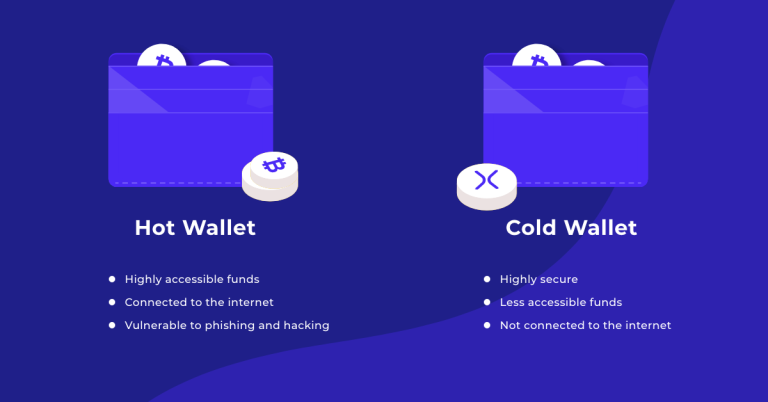
For those opting to use non-KYC exchanges, embracing robust security practices is non-negotiable. Enable two-factor authentication and avoid storing large amounts of cryptocurrency on these platforms to reduce vulnerabilities. Promptly withdrawing assets to personal wallets ensures greater control and security.
Moreover, thorough due diligence is critical. Selecting non-KYC exchanges with transparent operations and a track record for security can minimize risks. Resources detailing KYC requirements across exchanges help traders understand the broader compliance scope, aiding informed decisions.
Given the rapid shifts in regulatory landscapes and technological developments, maintaining awareness and adapting strategies is vital for anyone engaged in crypto trading without KYC. Employing careful research and security best practices is the prudent path forward.