As the digital asset landscape continues to mature in 2025, safeguarding cryptocurrency investments has never been more critical. Hardware wallets stand out as the definitive tool for achieving superior security by isolating private keys from online vulnerabilities. Understanding the spectrum of available devices, ranging from ultra-secure cold storage solutions like the Ellipal Titan to versatile, user-friendly models from Ledger and Trezor, is integral to tailoring your crypto security to your individual needs. This comprehensive overview explores the technological advancements and design nuances behind today’s leading hardware wallets, highlighting how each balances functionality, security, and usability. Whether managing a diversified portfolio or specializing in a single asset, selecting the appropriate hardware wallet hinges on nuanced parameters like cryptocurrency support, connectivity options, and recovery protocols, each discussed in detail to empower your informed decision-making.
In brief: Hardware wallets provide secure, offline storage by protecting private keys against online threats. Leading brands such as Ledger and Trezor offer devices that cater to diverse user profiles—from beginners seeking ease-of-use, to institutional investors requiring advanced security features. Critical considerations include multi-cryptocurrency support, device connectivity (USB, Bluetooth, or air-gapped QR code communication), user interface quality, and comprehensive recovery options. Additionally, selecting hardware wallets with strong company reputations and regular firmware updates enhances long-term security. This guide comprehensively navigates these factors, integrating expert analysis and practical insights on pioneering products like SafePal, KeepKey, and the BitBox series, to ensure you find the wallet that fits your portfolio and lifestyle.
Why Hardware Wallets Are the Gold Standard for Crypto Security
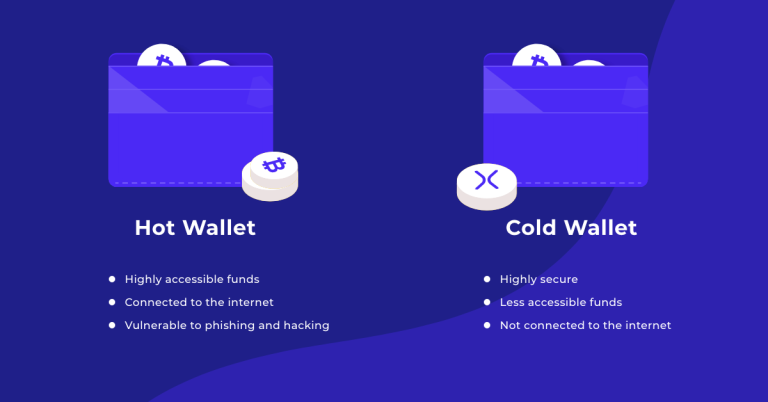
The intrinsic value of hardware wallets lies in their capability to keep private keys in a secure, offline environment known as cold storage. Unlike software wallets or exchange platforms susceptible to malware, phishing attempts, or shutdowns, hardware wallets like the Ledger Nano X and Trezor Safe 3 physically separate keys from internet-connected devices, dramatically reducing risk exposure. These devices employ secure elements certified at high assurance levels (such as CC EAL5+), akin to those used in banking cards and passports, ensuring resistance against physical tampering and side-channel attacks.
Transaction authentication requires manual validation via buttons or touchscreens directly on the device, making unauthorized remote access virtually impossible. Recovery is facilitated through seed phrases complying with the BIP39 standard, enabling access restoration in case of loss or damage. Given the historical frequency of crypto exchange hacks and fraudulent schemes, hardware wallets have become indispensable tools for crypto holders serious about protecting their assets.
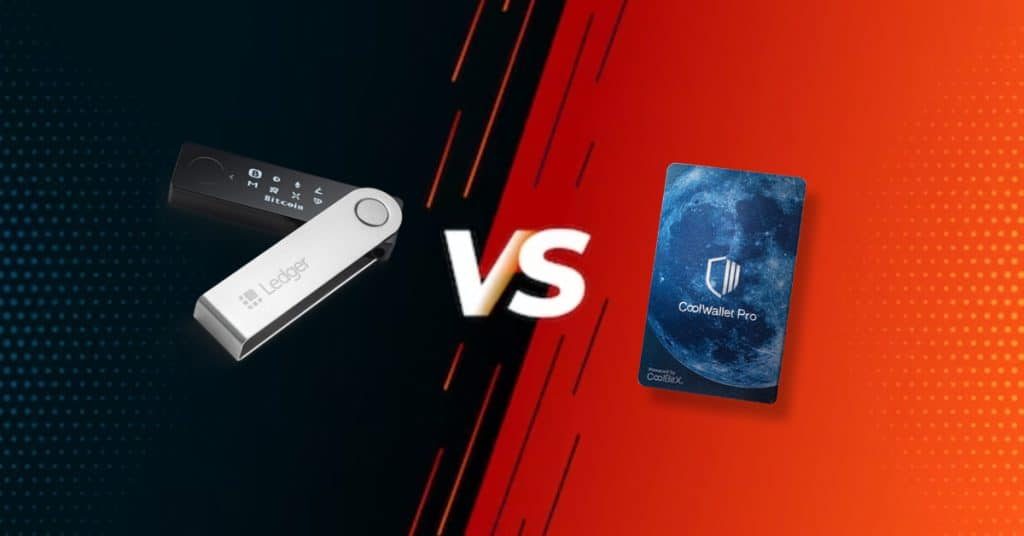
Evaluating Cryptocurrency Compatibility and Portfolio Needs
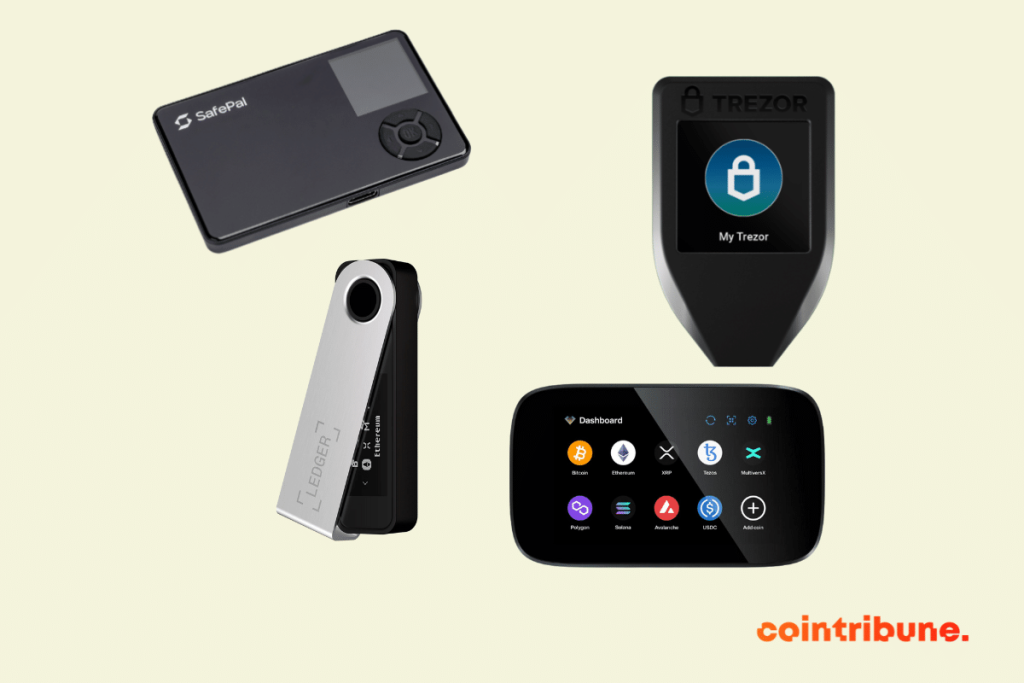
One of the foremost factors when choosing a hardware wallet is determining whether it supports the cryptocurrencies in your portfolio. While popular assets like Bitcoin and Ethereum are widely supported across wallets from Ledger, Trezor, and SafePal, alternative coins and tokens may vary significantly in compatibility. For example, the SafePal Pro X accommodates over 1,500 cryptocurrencies, suitable for those with diverse holdings, whereas the BitBox02 Bitcoin-only Edition specializes exclusively in Bitcoin, offering a simplified but robust solution for focused investors.
This consideration extends beyond current assets; anticipating future acquisitions aligns with selecting a device with the flexibility to grow your portfolio. Notably, wallets with multi-signature functionality, such as the SafeVault Enterprise, offer enhanced control and security for high net-worth individuals and organizations.
Security Features: Beyond Basic Protection
Every hardware wallet inherently provides stronger protection than software wallets, but security features vary and often reflect different risk mitigation strategies. Secure elements certified at CC EAL5+ or higher should be prioritized to guarantee defense against physical attacks. Devices with open-source firmware, like the Trezor Safe 3, permit public auditing, fostering trust through transparency. Moreover, screen clarity and size are vital for users to verify transaction details accurately. The premium Ledger Stax, with its curved e-ink touchscreen, exemplifies innovation that enhances secure verification.
Importantly, wallets supporting multi-signature approvals—requiring multiple devices or users to authorize transactions—provide a substantial security layer. Enterprise-grade wallets integrate this feature, catering to institutional needs where asset custody demands higher rigor.
Prioritizing User Experience and Connectivity
The balance between top-tier security and ease of use is crucial. Devices like the Ledger Nano S Plus offer large screens and intuitive interfaces suitable for beginners, while more sophisticated models include touchscreens and companion apps that facilitate diverse transaction management. The choice between physical buttons and touch interfaces raises considerations surrounding convenience versus potential attack surfaces.
Connectivity options introduce additional decision layers. USB remains the secure standard, but Bluetooth-enabled devices such as the Ledger Nano X or CoolWallet provide mobile flexibility, though at a slight increase in security risk. Air-gapped hardware wallets like Ellipal Titan 2.0 and SafePal S1 eschew wireless connections altogether, communicating via QR codes to maximize isolation from network-based threats.
Backup and Recovery Mechanisms: Safeguarding Access
Reliable backup procedures are non-negotiable for hardware wallets. Seed phrase generation standards such as BIP39 enable consistent recovery processes across brands. Devices supporting passphrase extensions add an additional confidentiality layer. Solutions like the SafeVault Steel Backup offer durable physical backups resilient to environmental damage, underscoring the necessity of securing recovery data.
Understanding the implications of each wallet’s recovery method is essential, as improper backup handling can nullify the security advantages of hardware wallets. For comprehensive guidance on safeguarding your keys and avoiding pitfalls, consult resources on best crypto wallet backup practices.
Matching Hardware Wallets to User Profiles and Budgets
Beginners benefit from straightforward devices with user-friendly apps and clear setup guides, such as the SafePal S1 or entry-level Ledger Nano S Plus. Active traders may prioritize extensive cryptocurrency support and faster signing processes found in high-capacity models like the Ledger Nano X. Long-term holders place higher importance on rugged build quality and multi-signature options provided by advanced wallets including SafeVault Enterprise and Coldcard MK4.
Institutional users require wallets with certified security, formal team management, multi-signature mechanisms, and scalable integration options, areas where professional-grade devices like SafeVault Enterprise and the Ngrave Zero excel. Pricing ranges from budget-friendly wallets under $50 to premium models exceeding $400; evaluating cost against features and portfolio value is prudent. For example, securing €10,000 worth of assets with a €150 device accounts for only 1.5% of the holdings, representing a worthwhile investment in security.
Ensuring Authenticity and Long-term Support
Purchasing hardware wallets exclusively through official or authorized distributors is imperative to avoid compromised devices. Long-term security also hinges on the manufacturer’s track record in promptly addressing firmware vulnerabilities and deploying updates. Regular maintenance guarantees resilience against emerging threats and compatibility with evolving cryptocurrency standards. Trusted manufacturers like Ledger, Trezor, and KeepKey have cultivated robust communities offering extensive user support and ongoing improvements.
In terms of reputation, companies with a history spanning over half a decade and transparent security policies generally inspire greater user confidence. This trust factor complements technical features as a key criterion in hardware wallet selection.