
In the dynamic world of cryptocurrency trading, understanding the distinction between trading fees and withdrawal fees is vital for every investor aiming to optimize returns. Trading fees, often perceived as straightforward transaction costs, directly influence profit margins by affecting how much is spent on executing trades. On the other hand, withdrawal fees, which vary according to the asset type and the withdrawal method chosen, impact the net assets moved off the exchange. As platforms like Binance, Coinbase, and Kraken continually innovate their fee models, grasping these differences becomes a cornerstone for smart asset management. Whether you are an active trader capitalizing on market movements or a long-term holder, navigating the complexities of fee structures allows you to fine-tune your strategy and avoid hidden expenses that could diminish your gains. This exploration dives deeper into the anatomy of exchange fees, their operational nuances, and practical insights to minimize their impact on your portfolio.
In brief, knowing the subtle differences between trading and withdrawal fees empowers investors to:
- Anticipate transaction costs inherent to various trading platforms such as Bitstamp and Huobi.
- Leverage maker versus taker fee dynamics to optimize cost-efficient trades.
- Assess the withdrawal fee implications, especially related to blockchain network charges on cryptocurrencies or fixed fees on fiat transactions.
- Strategize withdrawal and trading approaches to preserve capital and enhance overall profitability.
- Identify hidden fees and conditions, including inactivity or conversion charges, that might erode potential earnings.
Crucial Differences Between Trading Fees and Withdrawal Fees on Cryptocurrency Exchanges
Trading fees are the charges incurred every time a user buys or sells assets on an exchange platform. These fees are generally calculated as a percentage of the trade value or as a fixed amount applied per transaction. Exchanges such as eToro, Robinhood, and Gemini implement various fee structures to accommodate different user profiles, balancing liquidity provision and market demand.
By contrast, withdrawal fees are costs charged when transferring assets out of the exchange to external wallets or bank accounts. These fees fluctuate based on the asset withdrawn—for example, cryptocurrency transfers attract blockchain network fees that compensate miners or validators, while fiat withdrawals might incur flat fees or percentage-based commissions set by the exchange or intermediary banks.
Awareness of how each category functions helps investors make informed decisions, particularly when choosing between leaving assets stored on an exchange or opting for self-custody solutions, a topic elaborated further in crypto wallet transfer guides.

How Maker and Taker Fees Define Trading Costs
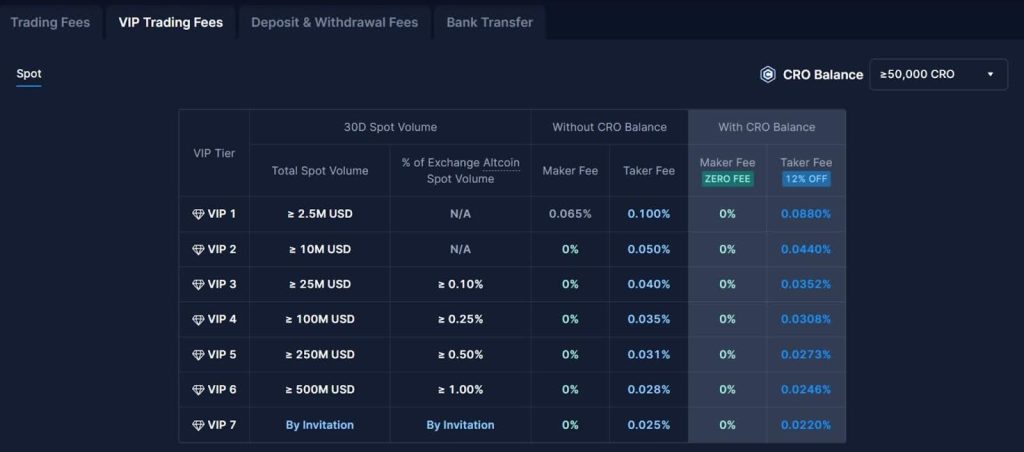
Key to understanding trading fees is the distinction between maker and taker fees. Makers add liquidity by placing limit orders on the order book that are not immediately matched, whereas takers consume liquidity by executing market orders that immediately fill existing orders. This fundamental difference influences fee application: makers often enjoy reduced fees, an incentive to encourage market depth, while takers pay higher fees for instant execution. Exchanges like KuCoin and OKX utilize this tiered fee structure to balance ecosystem liquidity and operational efficacy.
For traders engaging in high volumes, volume-based discounts offered by these platforms can further mitigate fees significantly. Understanding and manipulating order types in this context allows investors to reduce trading expense footprints strategically, reinforcing why a sophisticated fee comprehension is indispensable.
Deconstructing Withdrawal Fees: Factors and Impact on Asset Management
Withdrawal fees tend to be less transparent but are equally important when considering the total cost of asset transfers. These charges can manifest as fixed fees, percentage-based costs, or network transaction fees, depending on the withdrawal method and asset. For example, withdrawing Bitcoin from Binance involves network fees that compensate the miners securing the blockchain, whereas fiat withdrawals to bank accounts may carry flat fees ranging from a few to tens of dollars.
Moreover, minimum withdrawal limits imposed by some exchanges may compel users to accumulate larger sums before initiating a transfer, which requires strategic planning particularly for those managing multiple assets across various platforms.
Traders and investors aiming to optimize their operational expenses routinely analyze withdrawal fee structures alongside trading fees, especially when moving between exchanges or transitioning to cold storage. Detailed strategies for minimizing these costs form a key pillar in effective crypto asset management, as outlined in expert guides on crypto withdrawals.
Hidden Charges and Strategic Fee Management in Crypto Exchanges
Beyond straightforward fees, hidden costs such as inactivity penalties, currency conversion charges, or slippage during order execution contribute cumulatively to reduced returns. An investor using exchanges like Kraken must be vigilant about such expenses that, although often overlooked, can significantly impact net profits, especially in volatile markets.
Proactive management includes consolidating withdrawals to reduce frequency-based fees, leveraging fee discounts for high-volume trading, and selecting appropriate order types to minimize taker fees. Tools and resources offered in fee reduction guides provide actionable insights to investors aiming to systematically reduce their trading and withdrawal cost exposure.