
In the rapidly evolving domain of digital finance, one of the significant challenges investors encounter is the freezing of cryptocurrency assets on exchanges. Stemming from security protocols, regulatory mandates, or technical glitches, these freezes can abruptly halt access to your digital investments, causing frustration and uncertainty. Prominent platforms like Coinbase, Binance, and Kraken periodically implement such freezes, whether due to compliance checks or unforeseen technical updates. Understanding why these asset freezes occur and how to navigate the unfreezing process is critical for any crypto holder aiming to safeguard and optimize their portfolio in 2025’s complex environment.
In brief: Crypto asset freezes stem from a variety of causes, including technical malfunctions, regulatory compliance requirements, and security precautions. Exchanges such as Gemini, Bitstamp, and FTX have protocols to handle these situations, often prompting users to verify identities or adhere to updated security settings. Identifying the root cause, engaging promptly with exchange support, and understanding smart contract stipulations can streamline the unfreezing process. Staying informed and proactive remains essential amidst ever-tightening KYC and AML regulations.
Understanding the Nature and Causes of Crypto Asset Freezes
When cryptocurrency funds become inaccessible or “frozen” on exchanges, users face temporary or sometimes prolonged restrictions on asset movements. This phenomenon can arise from multiple avenues:
- Technical glitches: Exchanges like Binance have experienced temporary halts in asset withdrawals during system upgrades—for instance, the suspension of Ethereum and ERC-20 token transactions in anticipation of the Ethereum network upgrade.
- Regulatory and compliance interventions: Financial governing bodies enforce KYC (Know Your Customer) and AML (Anti-Money Laundering) regulations stringently, compelling platforms such as Crypto.com and Kraken to freeze accounts suspected of violating these rules or under legal investigation.
- Security precautions: Suspicious transactions or potential fraud often lead exchanges like Huobi and OKX to safeguard assets by freezing them, often pending identity verifications or forensic investigations.
Such freezes, while often disconcerting, play a vital role in the broader landscape of digital asset protection and regulatory adherence.
How Exchanges Enforce Asset Freezing Through Legal and Technical Mechanisms
Major cryptocurrency exchanges have designed comprehensive frameworks to freeze assets as part of their risk management strategies. For instance, KuCoin incorporates automated monitoring for suspicious activity, freezing accounts to prevent illicit activity. Legal mandates can also order freezes when assets become part of investigations into fraud or money laundering. Consequently, these platforms regularly update their protocols to align with evolving guidelines such as those from FATF.
Moreover, advances in smart contract technologies sometimes introduce unintentional asset lock-ups due to programming errors or stringent contractual conditions, requiring collaboration between users and developers to unlock funds. This confluence of legal obligations and technological complexities demands users remain vigilant and informed.
Effective Strategies to Unfreeze Your Cryptocurrency Assets
Addressing frozen crypto assets requires a methodical approach tailored to the underlying cause:
First and foremost, reaching out to the exchange’s support is crucial. Whether using Coinbase or Gemini, providing thorough details about your account and recent transactions can clarify the reasons for the freeze.
Secondly, ensuring that all requested identity verifications are promptly completed—including submitting government-issued IDs or proof of address—can expedite unblocking, particularly in compliance-related freezes.
Understanding and verifying any applicable smart contract conditions is also paramount. In decentralized finance protocols, frozen assets might be subject to contractual restrictions such as lock periods or minimum holdings that require waiting or specific actions to lift.
In scenarios involving technical faults or bugs, engaging with platform developers or community support forums, especially on platforms like KuCoin or FTX, may yield valuable guidance or workarounds.
The Role of Regulatory Compliance in Asset Freezing and Unfreezing
Compliance with financial regulations is one of the most frequent catalysts for asset freezes. Exchanges must often act swiftly to adhere to global KYC and AML mandates, a reality further detailed in resources highlighting the risks of non-compliance (risks of not using KYC). Users are advised to maintain current, accurate verification details to avoid disruptions. In some instances, coherence with FATF guidelines demands asset freezes during investigations, underscoring the need for collaboration between users and exchanges to resolve compliance issues expeditiously.
Security Protocols and Their Influence on Unlocking Frozen Crypto Funds
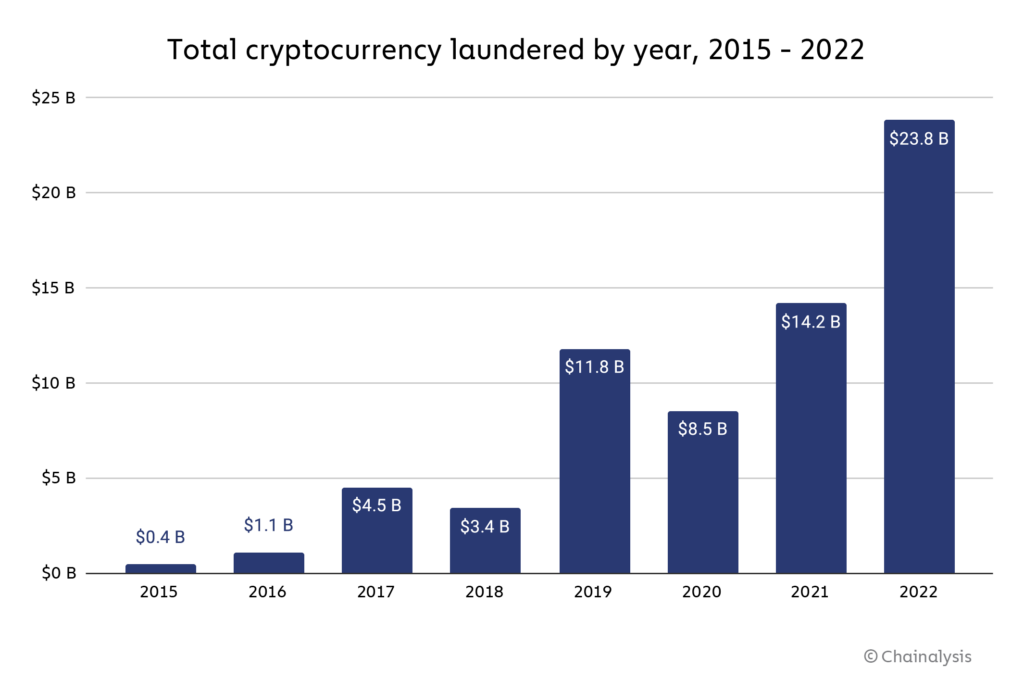
One of the foundational reasons for freezing assets pertains to security threats. When unusual activity is detected, exchanges such as Bitstamp and Crypto.com may impose holds to protect users from potential theft or laundering schemes. Rectifying these freezes typically involves enhanced security measures: password resets, enabling multifactor authentication, or supplementary identity verification.
Comprehending the broader scope of crypto-centric criminal activities enhances user awareness, advocating for stringent security practices as a layer of protection against frozen asset scenarios.