
In 2025, cryptocurrency management goes beyond simple transactions—it’s a nuanced exercise in security, control, and strategic asset allocation. As digital currencies become mainstream across regions like Southeast Asia, Latin America, and Eastern Europe, the ability to transfer crypto efficiently between wallets and exchanges is essential for participants ranging from individual investors to institutional entities. Whether users wish to enhance security by moving assets from exchanges such as Coinbase and Kraken to self-custody wallets like MetaMask and Trust Wallet, or engage in decentralized finance (DeFi) opportunities, understanding the whole transfer ecosystem is paramount. Given the irreversible nature of blockchain transactions and the technical diversity of wallets—ranging from hot wallets connected constantly online to cold hardware storage devices such as Ledger and Trezor—users must navigate complexities like network compatibility, fee management, and phishing threats with care. This guide unpacks essential practices, pitfalls, and the evolving landscape of crypto transfers, equipping readers with the knowledge necessary for safe, swift financial movements in crypto’s dynamically regulated environment.
Key points to consider: Transfers between wallets demand precision in address and network selection to avoid permanent asset loss. Hot and cold wallets serve distinct roles, influencing transfer procedures and security levels. Bridging assets across blockchains entails understanding wrapped tokens and specific conversion protocols. When transferring through exchanges, custodial risks and proper memo usage for certain tokens require careful attention. Employing security best practices such as two-factor authentication, encrypted backups, and secure devices minimizes vulnerability. Leveraging platforms like MEXC can facilitate smoother transactions with competitive fees and robust interface features. Safety, combined with technological adeptness, remains the cornerstone of successful crypto asset management in 2025.
Recognizing Different Wallet Types and Their Roles in Crypto Transfers
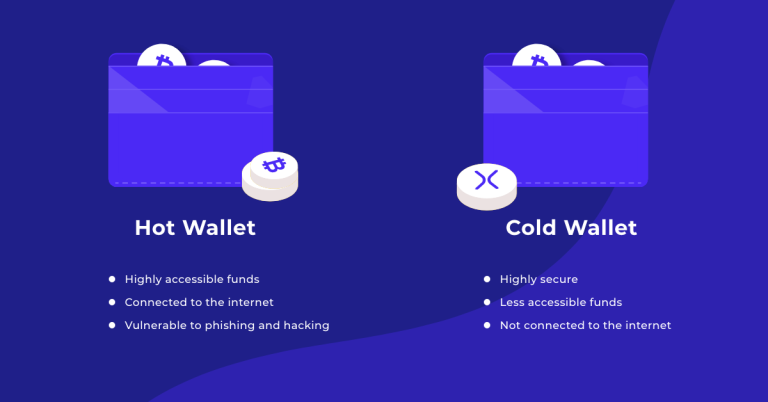
Understanding the types of wallets is fundamental when transferring cryptocurrency because the transaction pathways and associated risks vary widely. Hot wallets, including popular software wallets like MetaMask and Trust Wallet, are always connected to the internet, providing convenient and rapid access ideal for daily transactions and interacting with dApps. However, this constant online exposure heightens vulnerability to phishing attacks and malware threats.
In contrast, cold wallets such as Ledger and Trezor operate offline by default, making them the preferred solution for long-term asset storage. Because private keys never leave these devices, transactions require deliberate physical interaction, adding a layer of protection. Users migrating assets from hot wallets to cold storage benefit from enhanced security but must contend with longer transaction times and manual confirmation processes.
Exchange wallets—offered by centralized platforms like Binance, Gemini, and Crypto.com—are custodial; users entrust private key management to these entities. While this model offers easy on-ramps and quick trading execution, it introduces custodial risk and dependency on platform operational stability.
Addressing the Risks in Crypto Transfers
Transferring cryptocurrencies without stringent caution can lead to irreversible losses. Erroneously sending funds to the wrong address is a frequent yet devastating error because blockchain transactions cannot be undone. For instance, a notable incident involving Crypto.com in 2022 saw an erroneous transfer of $10.5 million, which went unnoticed for months. Another common pitfall is sending tokens through an incorrect blockchain network, such as transferring USDT via TRC-20 when the destination wallet only supports ERC-20, often resulting in stuck or inaccessible funds unless a specialist recovery is possible.
Network congestion also impacts transfer success, where inadequate fees cause transactions to stall or drop. Phishing attacks, clipboard hijackers replacing addresses silently, and compatibility issues further exacerbate risk. Additionally, transferring from compromised devices or public Wi-Fi increases exposure to attackers. For custodial wallets, platform downtimes and restrictions may delay or thwart asset access.
Step-by-Step Guide on Transferring Crypto Between Wallets
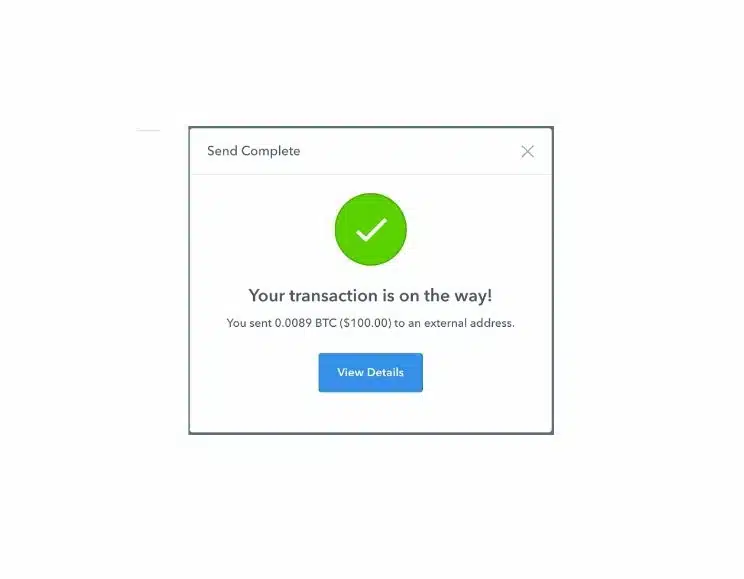
The process to move cryptocurrency between wallets generally follows a straightforward pathway but requires due diligence at every step. First, confirm the receiving wallet supports the token type and blockchain network. Obtain the public address either as text or a QR code—modern wallets often facilitate scanning to minimize errors. Initiate the transaction from the sending wallet by pasting the specified address accurately, selecting the correct network, and specifying the amount. After signing and confirming, monitor the progress through blockchain explorers to verify transaction confirmations.
Complex transfers, such as bridging assets across chains, necessitate converting tokens into wrapped forms (e.g., wBTC) compatible with the target blockchain using specialized protocols. This process is essential for DeFi participation. Additionally, transferring crypto between custodial wallets on exchanges like Binance demands extra care in selecting correct asset-specific addresses and using memos for tokens like XRP or XLM to ensure correct crediting. Missteps here might lead to irreversible assets loss or delayed recovery processes.
Security Best Practices in Crypto Transfers
Enforcing rigorous security measures is critical to safeguarding assets during transfers. Users should verify all address entries through multiple methods and avoid manual typing where possible to reduce typographical risks. Using hardware wallets such as Ledger or Trezor adds substantial protection by storing private keys offline and requiring physical confirmation of transactions. It’s also vital to operate from secure, malware-free devices with updated antivirus software and refrain from using public Wi-Fi networks when handling transfers.
In exchange environments, enabling two-factor authentication (2FA) and analyzing withdrawal addresses before confirming transactions further reduce vulnerabilities. Storing backup seed phrases offline in encrypted formats ensures recovery options remain viable without exposing sensitive information to potential online threats.
Transferring Crypto from Exchanges to Wallets and Vice Versa
Moving assets between exchanges like Coinbase or Kraken and personal wallets involves some unique considerations. Exchanges often provide network options, token variants, and require specific withdrawal procedures including verification via email or 2FA that must be scrupulously followed. Users should remain aware of withdrawal fees, which vary by token and platform, as well as transaction confirmation times influenced by network congestion. Performing test transfers for significant amounts is a prudent precaution.
Self-custody wallets provide unparalleled control over crypto assets, empowering users to avoid custodial risks inherent in exchange wallets. However, withdrawal to wallets requires meticulous address confirmation to prevent loss. Conversely, moving funds back to exchanges mandates selecting the correct deposit network and adhering to memo specifications where applicable.
For users exploring safe strategies on acquiring or storing cryptocurrencies, resources such as buying Bitcoin safely or storing Bitcoin offline provide vital supplementary guidance. Furthermore, understanding tax implications and operational nuances outlined in crypto taxation in France enriches one’s preparedness for compliant asset management.