In the rapidly evolving world of cryptocurrencies, safeguarding your digital assets has become a paramount concern. With cyberattacks and exchange hacks continuing to make headlines, understanding the significance of cold storage is crucial for any investor or enthusiast aiming to protect their crypto holdings effectively. Cold storage offers a secure method to keep private keys completely offline, isolating them from online threats like hacking, phishing, and malware infections that have caused losses exceeding $650 million in 2024 alone. This method not only acts as a digital fortress against remote attacks but also provides peace of mind for long-term investors and institutions alike, ensuring their assets remain secure regardless of network vulnerabilities or exchange shutdowns.
In brief, cold storage means:
Offline protection by storing private keys away from internet exposure.
Enhanced security through hardware wallets, air-gapped computers, and durable metal backups.
Redundancy and recovery strategies that safeguard access in case of theft, disaster, or device failure.
Multi-layered defenses including passphrases and multisignature setups to reduce risks.
A balanced approach combining convenience of hot wallets for everyday use with the robust security of cold storage for larger holdings.
Understanding the Vital Role of Crypto Cold Storage for Asset Protection
Crypto cold storage fundamentally involves keeping private keys offline, making them inaccessible to hackers targeting online wallets or exchanges. This crucial security measure is typically implemented through physical devices like hardware wallets from leading brands such as Ledger and Trezor, specialized air-gapped computers, or even carefully crafted paper and metal backups. An air-gapped set up, for example, uses a computer that has never connected to the internet to generate and sign transactions, eliminating network-based attack vectors entirely. Such setups are favored by large institutional treasury managers and high-net-worth individuals who require airtight control over their assets.
For crypto holders managing portfolios beyond day-to-day spending, cold storage provides a strategic advantage, especially given ongoing regulatory uncertainties around exchanges and the global nature of cryptocurrency transfer needs. Regularly testing recovery procedures and maintaining multiple backup copies stored in geographically diverse, secure locations prevent catastrophic loss from incidents like theft, fire, or hardware failure. This approach emphasizes that putting all trust in a single storage location is perilous and contradicts prudent asset protection strategies.

Why Cold Storage Surpasses Hot Wallets in Security
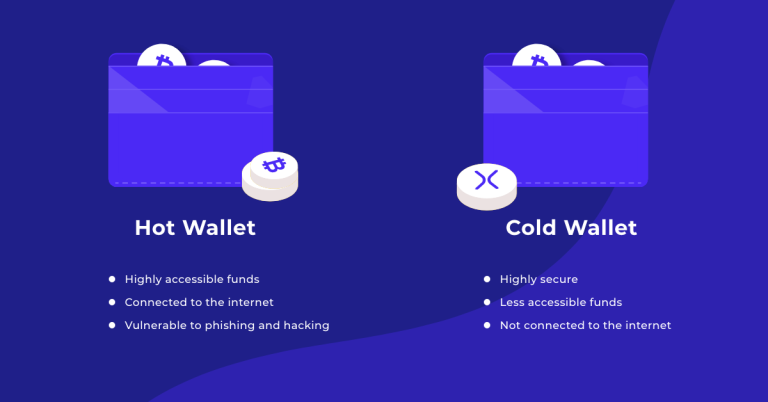
The digital ecosystem presents a clear contrast between hot and cold storage. Hot wallets, which include exchange accounts and mobile apps, maintain an active internet connection for convenience but expose assets to online threats. Conversely, cold storage methods keep the private keys isolated from online access, providing immunity to hacking attempts targeting connected devices.
While hot wallets are suitable for small amounts and frequent transactions, for substantial holdings, cold wallets offer superior protection. This security comes with the trade-off of reduced accessibility, as cold wallets require physical interaction for transaction approval. Many investors adopt a hybrid model: retaining minimal crypto in hot wallets for convenience while securing their primary holdings via cold storage solutions. For instance, alongside devices from SafePal and CoolWallet, users may integrate a Coldcard or KeepKey for robust cold storage.
Implementing Robust Cold Storage: Best Practices and Technologies
Choosing the right cold storage solution depends on individual needs and expertise. Hardware wallets like the ones developed by Ledger, Trezor, BitBox, and Ellipal are popular for their usability and strong security features such as tamper-evident packaging and certified secure elements. More advanced users may favor air-gapped systems combined with metal backups from providers such as CRYPTOTAG Thor or Billfodl to ensure survival through disasters including fires and floods.
The setup workflow for hardware wallets includes purchasing devices directly from reputable manufacturers, verifying packaging integrity, initializing the wallet offline, creating multiple seed backups on paper or metal, and storing those backups in physically separated, secure environments. Detailed documentation of recovery protocols and firmware versions is equally critical to ensure a seamless emergency recovery process.
Adding layers such as passphrases — additional words appended to seed phrases — or utilizing Shamir’s Secret Sharing schemes further increases resilience by distributing trust across multiple parties or locations. Multisignature configurations involving devices from brands like D’CENT and SecuX enable collective approval of transactions, vastly reducing single-point-of-failure risks, which is especially beneficial in family or treasury management contexts.
Maintaining and Monitoring Cold Storage Security Over Time
Cold storage is not a “set and forget” solution. Security-conscious investors regularly update device firmware to patch vulnerabilities, rotate hardware periodically, and conduct annual recovery drills using spare devices to verify backup integrity. Additionally, maintaining a log of device health, backup locations, and audit results offers transparency and reduces risks related to human error or unforeseen incidents.
Safeguarding recovery phrases is paramount. Rather than storing them digitally — which exposes them to hacking and cloud breaches — physical methods such as metal engraving are preferred. Families and businesses often use time-locked safe deposit boxes or geographically distributed vaults. Keeping backups in secure, diverse locations ensures that natural disasters or theft do not obliterate all copies simultaneously.
Comprehensive cold storage planning also involves inheritance considerations, with modern tools offering social recovery systems and dead man’s switch protocols to transfer access smoothly without compromising security. Sound inheritance planning ensures that long-term wealth is preserved beyond the original owner’s control, a challenge unique to digital assets.
Incorporating cold storage within a balanced crypto security strategy is essential, and resources like this guide on wallet security provide invaluable knowledge for users aiming to secure their holdings effectively. For those interested in acquisition strategies complementing robust storage, buying Bitcoin strategies explore approaches harmonizing asset growth with prudent security.