In 2025, purchasing Bitcoin using Euros has become increasingly accessible and secure, especially for European residents. The Single Euro Payments Area (SEPA) simplifies banking transfers across 36 countries, streamlining the purchase process through trusted cryptocurrency exchanges and peer-to-peer platforms. By leveraging SEPA, buyers benefit from low fees, strong security protocols, and relatively quick deposit times. Major exchanges like Coinbase, Binance, and Kraken have integrated seamless SEPA support, making the conversion of Euros into Bitcoin smoother than ever. This article unpacks the essential steps to purchase Bitcoin with Euros, navigating registration, verification, banking transfers, and finalizing trades within reliable platforms.
In brief: Using SEPA transfers to buy Bitcoin offers low transaction fees and a direct connection from European bank accounts to crypto platforms. Choosing a secure and reputable exchange or P2P service ensures safety and ease. Verification steps are necessary but straightforward, and understanding how to fund accounts and confirm transactions can prevent delays. Wallet security post-purchase is equally crucial to safeguard your assets from cyber threats.
Understanding Why SEPA Transfers Are Ideal for Bitcoin Purchases with Euros
SEPA (Single Euro Payments Area) acts as a unified payments system linking banks across Europe, allowing easy and low-cost transfers in Euros. When buying Bitcoin, using SEPA provides a cost-efficient alternative to credit cards, which often impose fees of 3-5%. Typically, SEPA transactions incur negligible costs—sometimes less than one euro—making it the economic choice for larger investments. While regular SEPA transfers take one to two business days, SEPA Instant technology allows near-instantaneous transfers around the clock, although not universally supported by all crypto platforms yet. Platforms such as Bitstamp and eToro have optimized their systems to accommodate such transfers efficiently, facilitating timely Bitcoin acquisitions without exorbitant fees. Secure identity verifications under KYC processes are standard prerequisites prior to deposit acceptance, emphasizing regulatory compliance and user protection in 2025’s evolving environment.
Essentials to Prepare Before Buying Bitcoin with Euros Using SEPA
Before initiating a Bitcoin purchase, you need to assemble a few essentials ensuring a smooth process. First, access to a SEPA-enabled bank account is critical because it allows direct transfers in Euros across most European countries. Second, prepare a valid government-issued ID—such as a passport or national ID card—that serves for mandatory identity verification (KYC) on platforms like Gemini or Bitpanda. Additionally, a verified email address facilitates account communications and transaction confirmations. Lastly, ensure your internet connection is secure, ideally via a trusted home Wi-Fi network, to safeguard sensitive data. Although some nuances might differ depending on the platform selected, these elements broadly cover requirements for most European Bitcoin exchange services.
Choosing the Right Crypto Platform for Euro-to-Bitcoin Transactions
When selecting a Bitcoin buying platform supporting SEPA, you encounter two primary categories: Centralized Exchanges (CEXs) and Peer-to-Peer (P2P) marketplaces. Centralized Exchanges like Coinbase, Kraken, and Revolut act as intermediaries providing liquidity, simple interfaces, and robust security measures. They allow direct Euro deposits and straightforward Bitcoin purchases. Conversely, P2P platforms connect buyers and sellers directly, with the platform offering escrow services for transaction safety. While P2P can allow more anonymity and sometimes bypass stringent verification, CEXs generally offer a more intuitive and regulated environment suitable for beginners. Additionally, payment service providers such as Paybis and Coinmama extend user options, including card and bank transfer payments. Factors like SEPA compatibility, fee transparency, platform stability, and reputation must guide your choice. Always consult resources such as guides on choosing Bitcoin exchanges for up-to-date analyses.
Setting Up Your Account and Completing KYC Verification
Establishing an account begins with registering your email and creating a secure password on your chosen exchange. Given regulations, completing KYC (Know Your Customer) is vital to unlock full platform functionalities, including SEPA transfers. This process involves uploading a government-issued ID and proof of residence documents, ensuring compliance and user safety. Platforms like Binance and Kraken offer streamlined verification systems reducing wait times to mere hours in many cases. Finishing KYC not only raises transaction limits but also enhances account credibility and reduces risk exposure. For further insight, one can explore detailed requirements on cryptocurrency KYC verification procedures.
Step-by-Step Process to Fund Your Account with Euros via SEPA
Depositing Euros onto your exchange account through SEPA involves a few clear steps. Start by visiting the deposit section within your exchange dashboard to find precise banking details, including IBAN, BIC/SWIFT codes, bank name, and beneficiary information. These details must be entered carefully during your online banking portal’s SEPA transfer initiation. Importantly, exchanges provide a unique deposit reference number or memo ID; missing this code may delay or return your funds. After confirming transfer details and submitting the transaction, wait for funds to arrive. While SEPA Instant transfers normally take minutes, standard SEPA withdrawals appear in 1-2 business days, influenced by weekends and holidays. Exchanges like Bitpanda have detailed instructions to assist users, assuring smooth and secure deposits.
Finalizing Your Bitcoin Purchase After Deposit
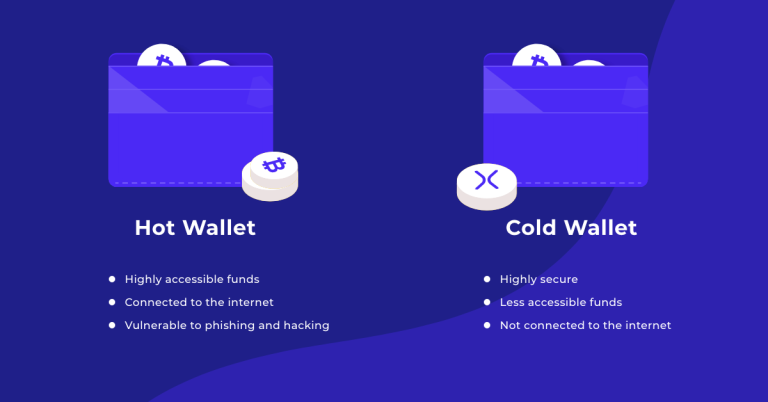
Once your Euros have been credited to your platform account, navigate to the BTC/EUR trading pair. Executing a “Market Order” allows you to buy Bitcoin immediately at the prevailing market price, ideal for beginners seeking simplicity. Alternatively, “Limit Orders” let you specify a purchase price, with execution pending market matching. Confirm the transaction details, especially fees, before confirming your order. Within moments, the Bitcoin will be credited to your platform wallet. It’s often recommended to transfer this to a private wallet post-purchase to maximize security—services like wallet transfers from exchanges help maintain control over your assets.
Ensuring Security, Understanding Fees, and Managing Timing in Bitcoin Purchases
Security remains paramount throughout each stage. Implementing two-factor authentication (2FA) using authenticator apps is a vital protective layer. Strong, unique passwords and vigilance against phishing scams protect your holdings. For prolonged Bitcoin custody, cold storage wallets like hardware devices offer resilience against online threats, detailed extensively in cold storage guidelines. Regarding fees, SEPA deposits often come free; however, trading and withdrawal fees vary across exchanges and payment methods. Comparing fee structures, as analyzed in tips to reduce trading fees, may significantly impact overall costs. Lastly, transaction speed depends on SEPA type and platform practices—planning with realistic timing in mind prevents unexpected delays in acquisitions. Monitoring network congestion and choosing the proper fee levels helps ensure timely Bitcoin confirmations on the blockchain.