In the rapidly evolving landscape of digital finance, securing your cryptocurrency assets has become paramount. As 2025 ushers in new challenges and innovations, understanding what constitutes a secure cryptocurrency wallet is essential for both novices and seasoned investors. The fundamental role of a crypto wallet is to safeguard private keys, the cryptographic credentials granting access to your digital wealth. The most secure wallets combine complete user control, robust resistance to cyberattacks through cold storage or fortified hardware, reliable recovery mechanisms like secure seed backups or Multi-Party Computation (MPC), and minimal reliance on third parties.
Security preferences, however, vary widely based on individual habits, asset holdings, and usage scenarios. Some users prioritize non-custodial wallets, such as Trezor or Ledger, for maximum autonomy and protection, while others might lean towards custodial solutions like CoinRabbit for ease and integrated financial services. Striking the right balance between convenience and security often involves leveraging both hot wallets for frequent transactions and cold wallets for long-term storage. To navigate these choices effectively, one must consider emerging wallet technologies, from NFC-enabled smart cards that eliminate seed phrase vulnerabilities to multi-chain wallets supporting expansive DeFi ecosystems. This comprehensive understanding equips users to protect their investments intelligently in an environment where both threats and tools constantly evolve.
- Cold wallets like Trezor and Ledger offer the highest security by storing cryptographic keys offline, shielding assets from remote cyberattacks.
- Hot wallets such as MetaMask and Trust Wallet provide accessibility for daily transactions but demand vigilant security practices due to their online exposure.
- Custodial wallets (e.g., CoinRabbit) simplify user experience by managing keys but require trust in third-party infrastructure.
- Non-custodial wallets grant full control over keys, enhancing security but placing backup responsibility squarely on the user.
- Adopting multi-factor authentication, using strong unique passwords, and safeguarding recovery phrases offline are crucial for all wallet types.
Understanding the Core Security Features in Cryptocurrency Wallets
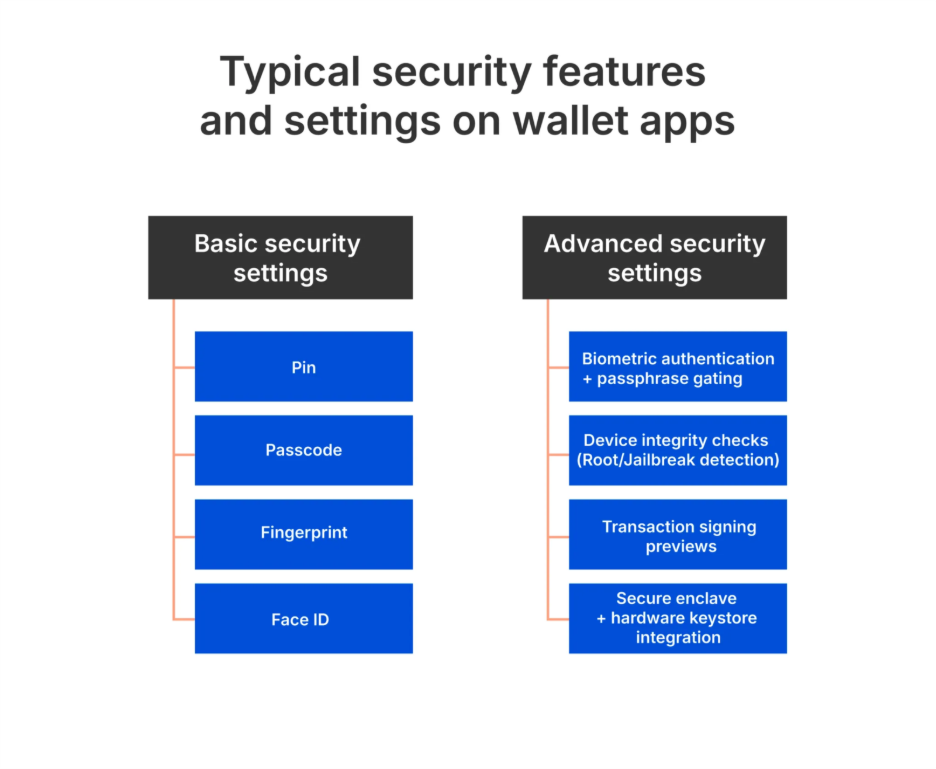
At the heart of a secure cryptocurrency wallet lies the efficient management and protection of private keys. Wallets that enforce complete user control over private key access through non-custodial models significantly reduce third-party risks. Security is further augmented by employing robust hardware elements—such as Ledger devices with certified secure chips or the Trezor Safe 3 featuring PIN protection and passphrase capabilities—to thwart unauthorized access.
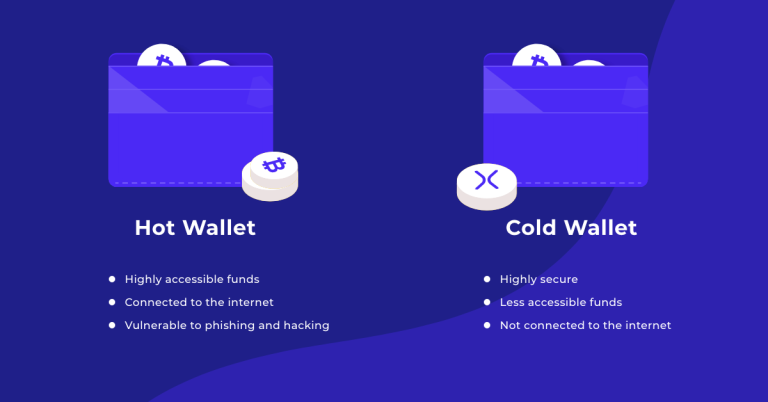
Furthermore, the distinction between hot and cold wallets critically impacts security posture. Cold wallets, disconnected from the internet, inherently resist cyber threats including phishing and malware attacks. Conversely, hot wallets facilitate active engagement with decentralized finance (DeFi) platforms, enabling features like staking and token swaps but require continuous vigilance against hacking attempts.
A wallet’s ability to recover access via secure, reliable methods—be it a physical seed phrase backed up safely offline or sophisticated Multi-Party Computation—serves as a pivotal security pillar. The latest advancements, as seen in Tangem’s NFC-enabled smart cards, remove the need for traditional seed phrases altogether, mitigating a common vulnerability point for many users.
Choosing Between Hot and Cold Wallets for Optimal Security
The debate between using hot versus cold wallets hinges on security needs versus accessibility. Cold wallets like the Ledger and Trezor offer superior protection by maintaining offline storage, making them the preferred choice for safeguarding large holdings or long-term investments. Conducting less frequent transactions but with heightened security awareness ensures assets remain insulated from online vulnerabilities.
In contrast, hot wallets such as MetaMask, Trust Wallet, and Exodus remain constantly connected to the internet, facilitating swift and convenient trading, spending, or access to Web3 applications. Despite their convenience, their inherent susceptibility to phishing and network breaches necessitates strong supplementary security practices like multi-factor authentication and secure network connections.
Combining both wallet types in a comprehensive security strategy often yields the best results—using cold wallets for savings and hot wallets, fortified with proper security hygiene, for daily activities.
Custodial vs. Non-Custodial: Determining Control and Responsibility
Wallet ownership models significantly affect security assurances. Non-custodial wallets such as Guarda and Ellipal empower users with full control over private keys, hashing transactions locally before broadcasting to the blockchain. This autonomy minimizes dependence on third parties but places the onus of meticulous backup and security entirely on the wallet owner.
Conversely, custodial wallets like CoinRabbit offer simplification by managing keys within their infrastructure, reducing user complexity. Although custodial services implement advanced multi-party cold storage and strict authorization for asset protection, users face counterparty risks. Trusting the custodian’s platform resilience becomes a central consideration.
Understanding your comfort level with control versus convenience is crucial for selecting an appropriate wallet model aligned with your security priorities and technical proficiency.
Specialized Wallets for Specific Crypto Use Cases
For users deeply engaged with decentralized applications and multi-chain assets, wallets like Guarda stand out due to their expansive support of over 50 blockchains and over 400,000 crypto assets. They provide integrated features such as staking, built-in exchanges, and non-custodial control, facilitating seamless interaction with the burgeoning Web3 ecosystem.
Long-term investors often prefer solutions such as Tangem, whose NFC-enabled smart card eliminates seed phrase vulnerabilities and offers hardware-certified security ideal for offline storage. Similarly, Trezor Safe 3 appeals to security-conscious users who value transparent open-source firmware and strong PIN-based protections.
Newcomers to the crypto space benefit from straightforward custodial wallets like CoinRabbit, where complicated key management is abstracted away, offering a user-friendly interface with integrated lending and swapping services. This level of service simplifies onboarding while maintaining strong security through cold storage reserves and multi-signature protections.
Adopting Safe Habits to Complement Wallet Security
Even the most secure wallet can be compromised by poor user behaviors. Essential practices such as activating two-factor authentication with authenticator apps (avoiding SMS), regularly updating wallet software and firmware, and avoiding public Wi-Fi during transactions, are non-negotiable in maintaining asset security. Furthermore, backing up seed phrases offline on physical media and steering clear of phishing scams are critical layers of defense.
Vigilance in password management, preferably through reputable password managers, ensures that credentials remain unique and resistant to leaks. Coupling advanced technology with conscientious user habits fortifies your crypto holdings against the evolving landscape of threats in 2025.
Ensuring your digital assets’ safety requires both selecting the right tools—whether hardware solutions like Ledger and Trezor or versatile wallets like Guarda and MetaMask—and steadfast adherence to secure operational habits. This dual approach not only mitigates risks but also empowers you to confidently navigate the dynamic world of cryptocurrency.