In the rapidly evolving landscape of cryptocurrency trading, buying Bitcoin via crypto exchanges in 2025 demands a more strategic and informed approach than ever before. The market’s complexity has deepened, with Bitcoin reaching record highs, Ethereum advancing its technology, and a proliferation of competitive blockchains reshaping opportunities. Additionally, new investment avenues such as Bitcoin ETFs and AI-driven cryptocurrencies have introduced fresh dynamics, all while the market remains highly volatile. For instance, Bitcoin’s price surged to over $102,000 at the start of the year before settling near $83,000, underscoring the critical importance of having a well-structured plan when purchasing crypto today. Understanding these market forces and combining that insight with prudent buying strategies prepares investors to navigate the challenges and maximize opportunities in 2025’s crypto environments.
In brief:
- Emphasize starting with small investments and scaling gradually.
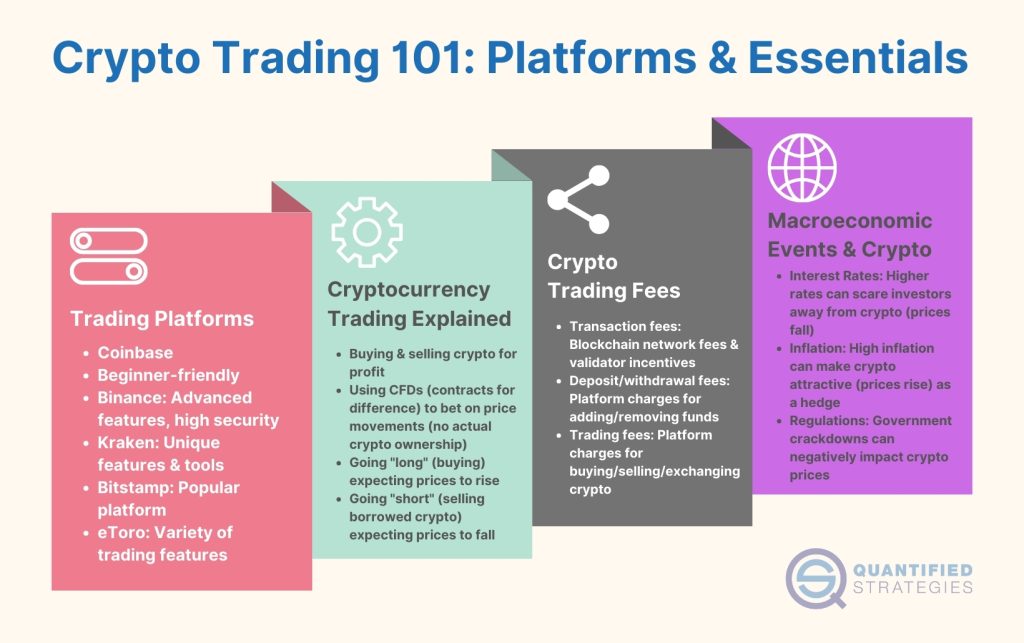
- Always select secure, reputable exchanges such as Coinbase, Binance, or Kraken to protect funds.
- Implement disciplined approaches like Dollar-Cost Averaging (DCA) and ‘Buy the Dip’ to mitigate volatility risk.
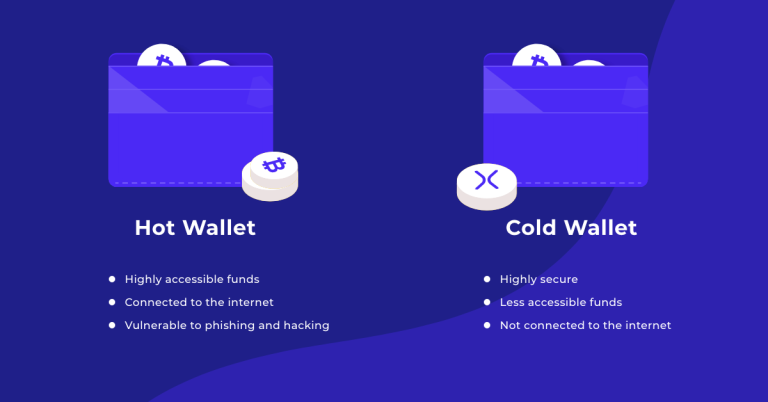
- Prioritize security through cold storage solutions instead of leaving assets on exchanges.
- Stay informed of regulatory changes affecting exchange accessibility and tax compliance.
Key Considerations for Buying Bitcoin on Crypto Exchanges in 2025
Entering the crypto market requires understanding the significant changes that distinguish today’s environment from earlier years. The aftermath of Bitcoin’s fourth halving in 2024 set off considerable price fluctuations, with Bitcoin demonstrating impressive growth over five years yet accompanied by swift corrections of up to 20% within days. This reality necessitates realistic expectations rooted in strategy rather than speculation.
Regulatory landscapes across major economies—including the US, EU, Japan, and Australia—have tightened, enforcing more stringent Know Your Customer (KYC) and Anti-Money Laundering (AML) compliance. Thus, selecting exchanges such as Coinbase and Gemini, which adhere strictly to these regulations, minimizes legal risks and ensures smoother transactions.
Security remains paramount; with $2.2 billion lost to hacks in 2024 and a surge in sophisticated AI-enabled phishing attacks in 2025, safeguarding your cryptocurrency is non-negotiable. Cold wallets like those from Material Bitcoin represent the gold standard, keeping private keys offline and away from potential digital intrusions. Avoid leaving large holdings on exchanges such as KuCoin or Crypto.com where the risk of compromise is inherently higher.
Selecting Reputable Crypto Exchanges for Safe Bitcoin Purchases
Not all crypto exchanges provide comparable levels of security, user experience, or cost-effectiveness. Well-established platforms like Binance, Kraken, and Bitstamp are favored by many due to their robust security protocols, transparent fee structures, and comprehensive regulatory compliance.
Investors should scrutinize factors such as trading fees, withdrawal limits, and payment methods before committing capital. For example, some smaller exchanges may levy excessive fees, especially on instant-buy options using credit cards, which can significantly erode gains. In addition, the availability of advanced security measures like two-factor authentication (2FA) and multi-signature wallets is crucial in safeguarding assets on these platforms.
Moreover, given increasing geopolitical influences and regulation-driven geo-blocking, confirming the legal operation of your chosen exchange in your jurisdiction remains vital. Exchanges that have steadily adapted to evolving legal frameworks, including OKX, offer greater assurance of uninterrupted service.
Effective Strategies to Optimize Bitcoin Purchases Amid Market Volatility
Facing Bitcoin’s notorious price swings, investors benefit significantly from approaches that reduce emotional decision-making and harness market trends intelligently. Among these, Dollar-Cost Averaging (DCA) and the ‘Buy the Dip’ strategy stand out as particularly effective in 2025.
Dollar-Cost Averaging (DCA) involves investing a fixed amount at regular intervals, irrespective of the price. This method smooths out purchase costs over time, buying more during downturns and less during peaks, helping investors avoid the pitfalls of market timing.
Conversely, the Buy the Dip approach requires readiness to allocate capital during price corrections, capitalizing on temporary downturns. Knowledge of market signals and patience are necessary to implement this method wisely, as mistiming purchases can compound losses.
Both strategies complement each other and cater to diverse investor profiles, balancing long-term portfolio growth with tactical entry points during market lows.
Enhancing Your Security and Portfolio Management
After securing Bitcoin on well-regarded exchanges like eToro or Huobi, prudent investors should promptly transfer their holdings to personal wallets. Cold storage options remain the safest choice for large or long-term investments, with hardware wallets providing offline key control that significantly diminishes hacking risks.
Furthermore, diversification within the crypto space—spreading investments across multiple assets and instruments—mitigates systemic risk. For instance, balancing Bitcoin purchases with stakes in Ethereum or emerging AI-based cryptocurrencies drawn from trusted exchanges curtails concentration exposure.
Staying alert to ongoing institutional activity and new products such as Bitcoin ETFs enables investors to position themselves advantageously within shifting market contexts. Combining these tactics with regular review of tax strategies, including tax-loss harvesting, can optimize after-tax returns amidst evolving tax regulations.