In the rapidly evolving cryptocurrency market, investors face the constant challenge of managing diverse assets amid extreme price volatility. Effective tracking of a crypto portfolio is no longer optional but essential for making informed decisions and optimizing returns. With thousands of digital tokens, decentralized finance (DeFi) protocols, staking platforms, and NFTs available, the complexity of monitoring investments grows exponentially. Advanced tools and best practices have emerged to simplify this task, allowing investors to consolidate holdings, monitor real-time price movements, and stay alert to market shifts. This article delves into these practices, highlighting leading tracking tools and strategies that empower investors to navigate the crypto landscape confidently in 2025.
In brief:
- Consolidating crypto assets across multiple exchanges and wallets is crucial for a comprehensive portfolio overview.
- Real-time tracking with instant alerts helps manage volatility and seize market opportunities.
- Advanced portfolio trackers like CoinStats and Delta provide analytics and automation features that enhance decision-making.
- Security measures, including two-factor authentication, protect sensitive financial data.
- Periodic portfolio rebalancing aligns investments with risk tolerance and market conditions.
Why Comprehensive Crypto Portfolio Tracking Is Vital in 2025
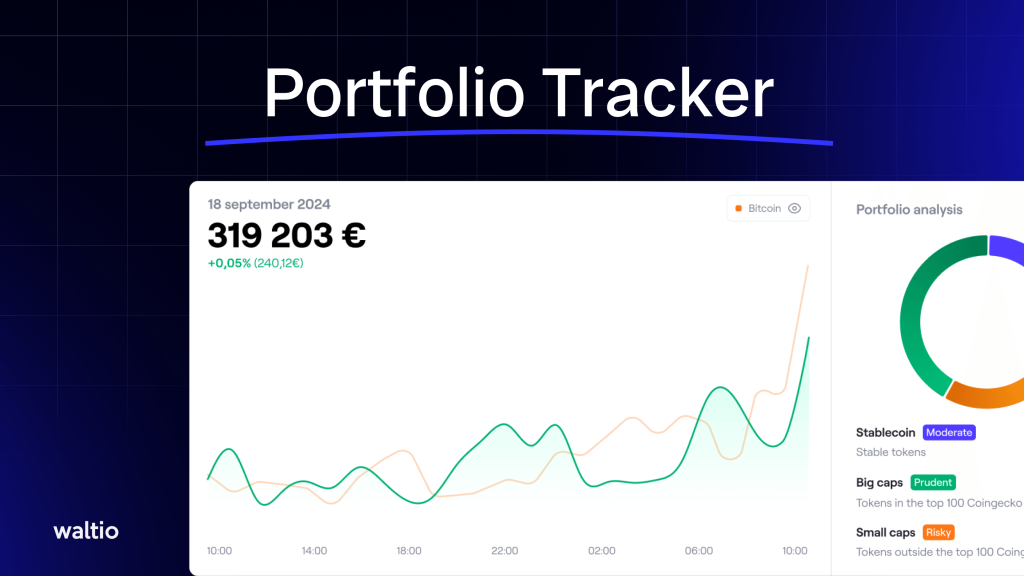
Tracking a crypto portfolio today extends beyond simple asset listing; it requires an intricate understanding of dynamic market conditions and the ability to respond swiftly. The volatile nature of cryptocurrencies means that values can fluctuate dramatically within minutes. Maintaining an accurate and up-to-date portfolio overview enables investors to monitor performance precisely, manage risks effectively, and optimize their investment strategies with agility.
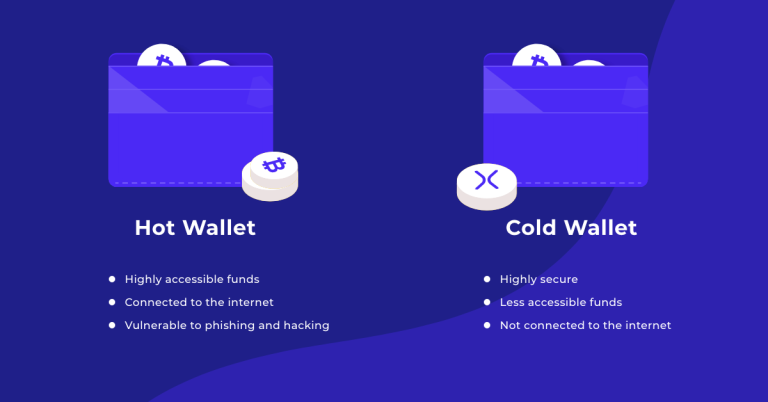
Moreover, many investors hold assets across numerous exchanges and wallets, from centralized platforms like Binance and Coinbase to decentralized wallets such as those supported by Zerion. Without centralization, tracking transactions and asset distribution becomes cumbersome, raising the risk of oversight. Utilizing integrated portfolio tracking tools consolidates this information, illuminating the portfolio’s true value and facilitating strategic decisions.
Investors must also consider taxation and compliance as they navigate this complex environment. Proper tracking supports accurate reporting, aligning with evolving regulations, for which platforms like CoinTracker provide beneficial features. The integrative approach to portfolio tracking not only streamlines management but enhances the investor’s ability to adapt to the fast-paced crypto ecosystem.
Manual Methods Versus Automated Crypto Portfolio Trackers
Historically, crypto investors relied on manual spreadsheets to track holdings, documenting purchase prices, quantities, and current valuations. While spreadsheets offer granular control, they are prone to errors, labor-intensive updates, and lack real-time market data. This approach becomes increasingly impractical as portfolios diversify and transaction volumes grow.
By contrast, dedicated crypto portfolio tracking apps automate data aggregation by syncing with exchanges and wallets via secure API connections. These applications update asset prices in real-time, generate performance analytics, and provide alerts for significant market developments. For example, CoinStats supports over 70 platforms and thousands of cryptocurrencies, offering diverse features such as staking yield insights and military-grade encryption.
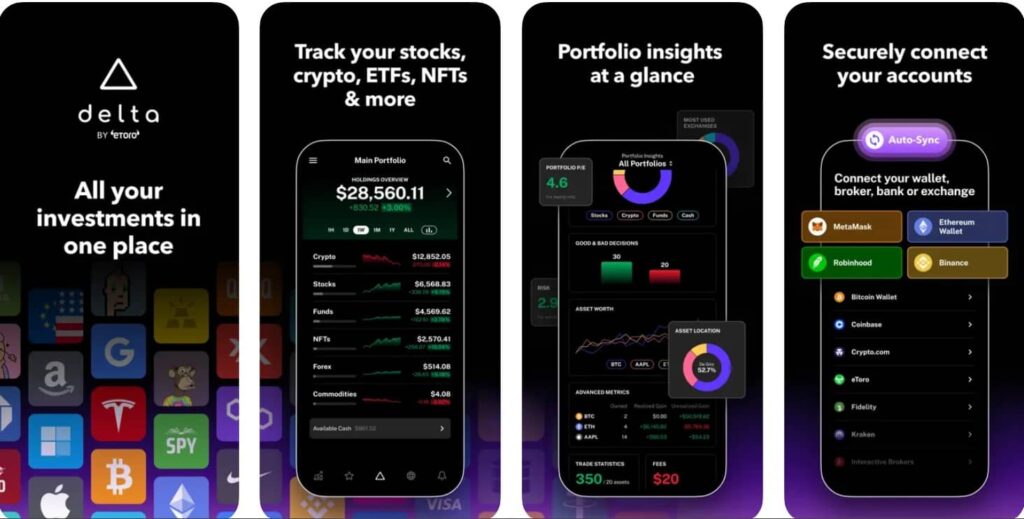
Other popular apps like Delta and Blockfolio prioritize user experience with sleek interfaces and strong mobile functionality, ensuring investors can manage portfolios on the go. Additionally, tools like Zerion excel in integrating DeFi assets, enabling tracking of yield farming positions and liquidity pools. These automated solutions reduce manual workload and provide a holistic, accurate, and timely understanding of an investor’s crypto assets.
Essential Best Practices for Crypto Portfolio Management
Success in crypto portfolio management hinges on adherence to best practices that enhance oversight, security, and adaptability. Here are pivotal strategies embraced by proficient investors in 2025:
Consolidate All Assets: Employ tools capable of aggregating holdings across multiple wallets and exchanges—including less traditional assets like NFTs and DeFi tokens—to attain clear insight into overall portfolio composition.
Real-Time Price Monitoring & Alerts: Due to price volatility, leverage portfolio trackers offering live price updates and customizable alerts for threshold breaches, allowing timely reactions to market opportunities or threats.
Analytical Review: Utilize built-in analytics to assess asset performance, diversification levels, and risk exposure. This helps in identifying underperforming positions and evaluating whether to adjust holdings accordingly.
Security First: Implement robust security protocols, including two-factor authentication and encryption. Verify that portfolio trackers comply with security best practices to safeguard sensitive financial information in an environment where hacking risks remain high. Resources on two-factor authentication for wallets and exchanges provide valuable guidance.
Regular Rebalancing: Reassess and realign portfolio allocations periodically to maintain target risk levels. Tools like Shrimpy facilitate automated rebalancing based on predefined asset ratios, which is crucial for coping with crypto market turbulence.
Leveraging Leading Crypto Portfolio Trackers for Optimized Management
Various applications deliver unique advantages, catering to different investor profiles. CoinStats is renowned for its comprehensive coverage and enables users to connect numerous wallets and exchanges, providing a detailed transactional history alongside staking rewards. Its premium tiers unlock extensive data access and advanced trading features, suited for both retail and institutional players.
Delta stands out for its intuitive mobile experience and supports over 7,000 cryptocurrencies across 300 exchanges, making it ideal for traders who value simplicity coupled with powerful analytics and alert systems.
Apps like Blockfolio offer straightforward portfolio monitoring with a focus on real-time updates and news aggregation from crypto projects, while Kubera integrates both crypto and traditional assets, allowing investors to track the entirety of their financial holdings in one place.
For investors deeply engaged in DeFi, Zerion provides direct wallet connectivity and transparent tracking of yield farming and liquidity pool investments. Additionally, tools such as CoinTracker facilitate tax reporting and portfolio analysis tailored to regulatory requirements.
Emerging portfolio managers like Altrady and CryptoCompare offer advanced analytics and multi-exchange trading capabilities, enhancing overall control and market insight.
Strategic Portfolio Rebalancing to Manage Volatility
Maintaining an effectively balanced crypto portfolio is fundamental to risk management amidst unpredictable market conditions. Rebalancing entails adjusting asset proportions to align with predefined targets, preventing overexposure to volatile tokens.
Investors often set specific thresholds—for instance, rebalancing when a single cryptocurrency surpasses 10% of total portfolio value. Automation through platforms like Shrimpy allows seamless execution of these adjustments without manual intervention, saving time and reducing emotional decision-making.
This disciplined approach also supports capturing gains by reallocating from high-performing assets to undervalued ones, maintaining diversification and enhancing long-term portfolio resilience. Rebalancing strategies must be adapted to individual risk profiles and market trends, emphasizing the importance of regular portfolio reviews.
Understanding these critical facets of crypto portfolio tracking helps investors stay resilient and better prepared for the market’s uncertainties. Implementing the best practices and leveraging the right tools aligns investing behavior with evolving market realities.